Letting go of Items Found in the Ashes After the Marshall Fire

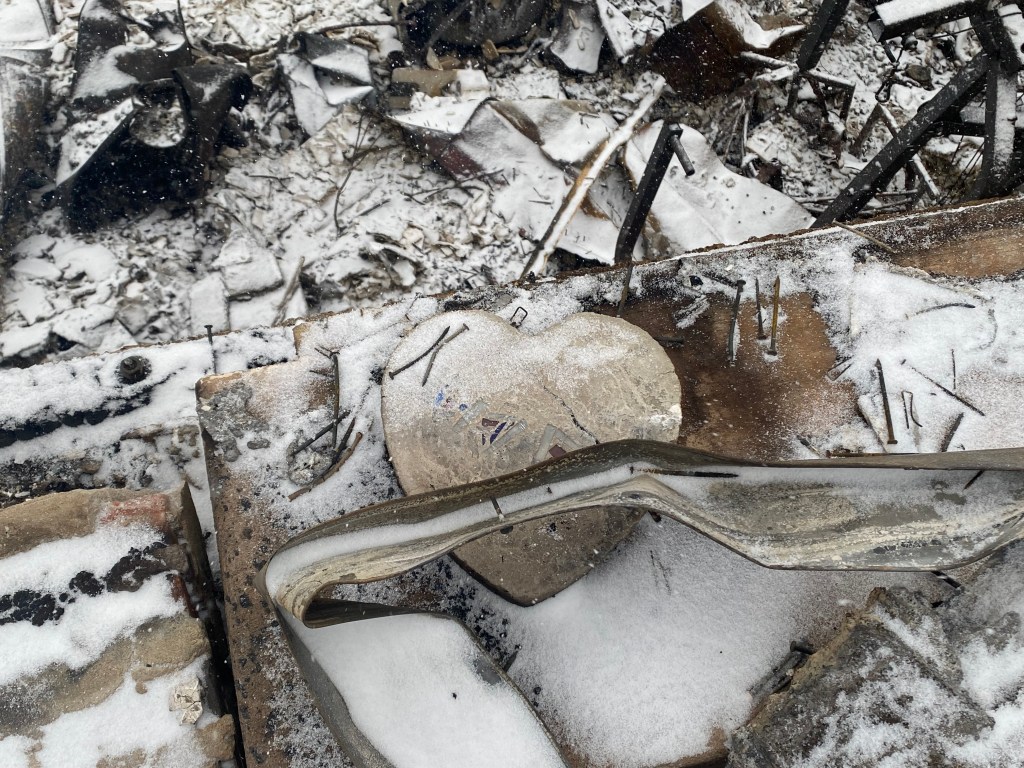
When we saw the pictures of our house after the Marshall Fire, we thought for sure there would be nothing left. We wanted to see for ourselves whether anything survived, though, so once we had donned our protective gear, we got to work sifting through the ash and rubble. Almost immediately, I found the ceramic tile from a Munich souvenir magnet that was part of my extensive collection.
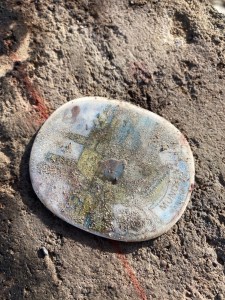
I was hoping to find some of my jewelry, which I had gathered mostly as meaningful gifts from other people. When I found the magnet, I knew I had to be close to my jewelry, so I started digging again. After an hour or so, I unearthed my jewelry tree.

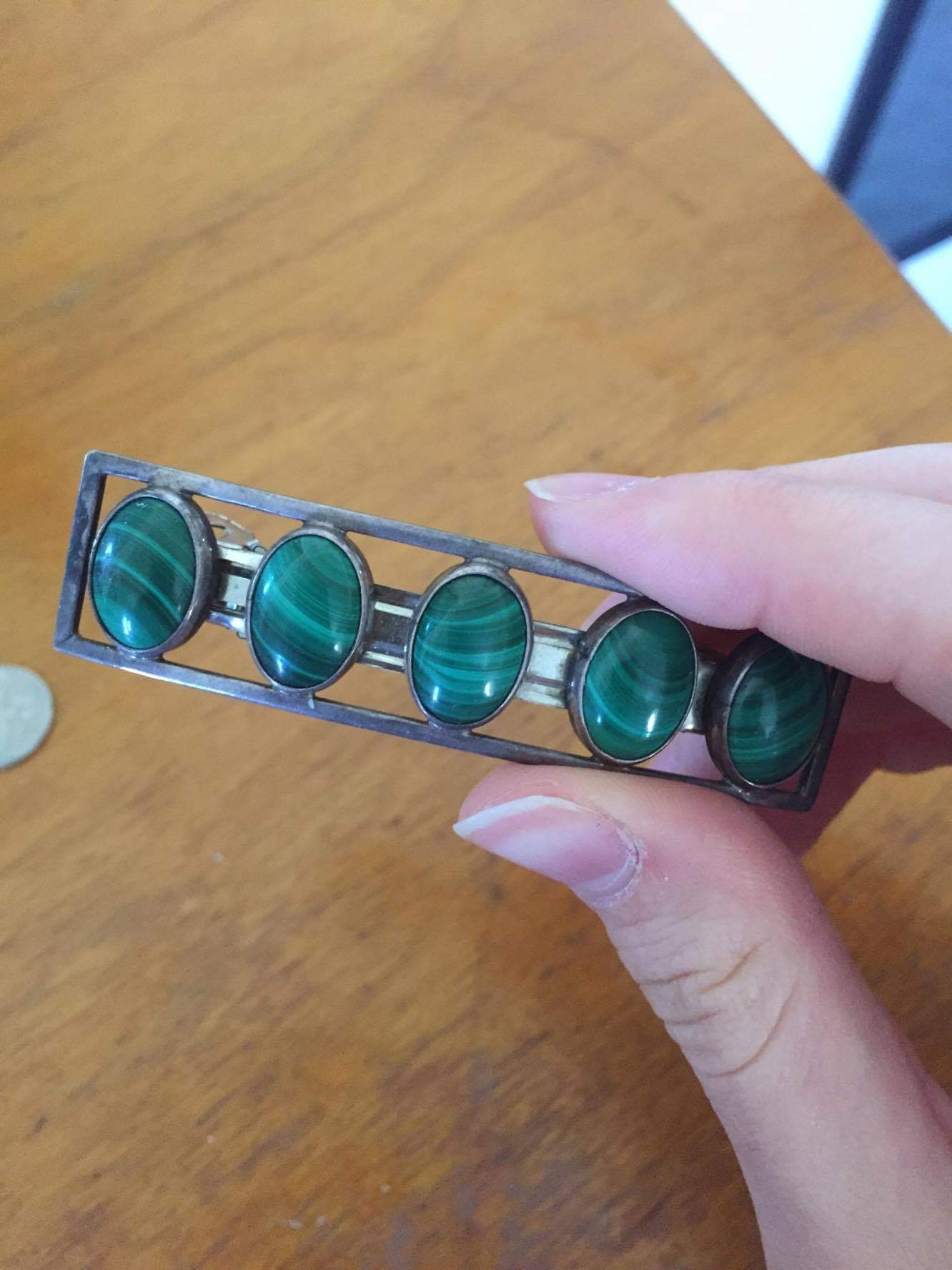
It was crusted over with bits of drywall and ash, but it still held a couple of pieces in the tray at the bottom. A bracelet I rarely wore, assorted earring backs and beads, and the barrette I mentioned in my previous post, now warped and empty.
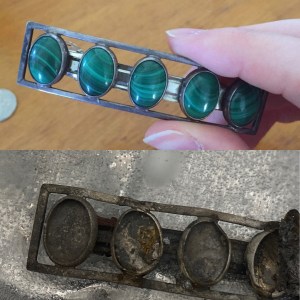
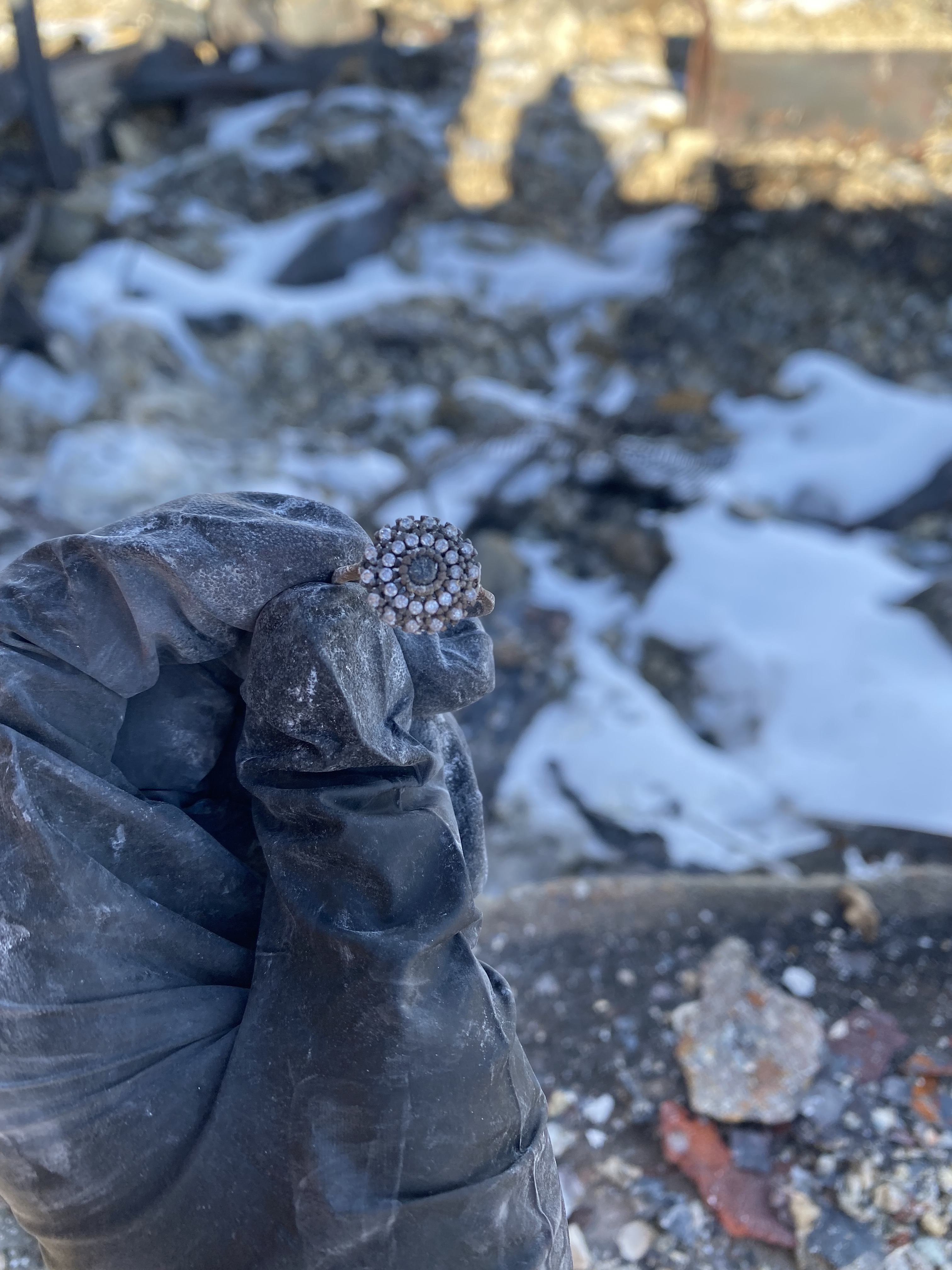
I dug around some more and found three rings and two heavily damaged pendants. I placed all of them in a small bucket for safekeeping while I continued to sift.
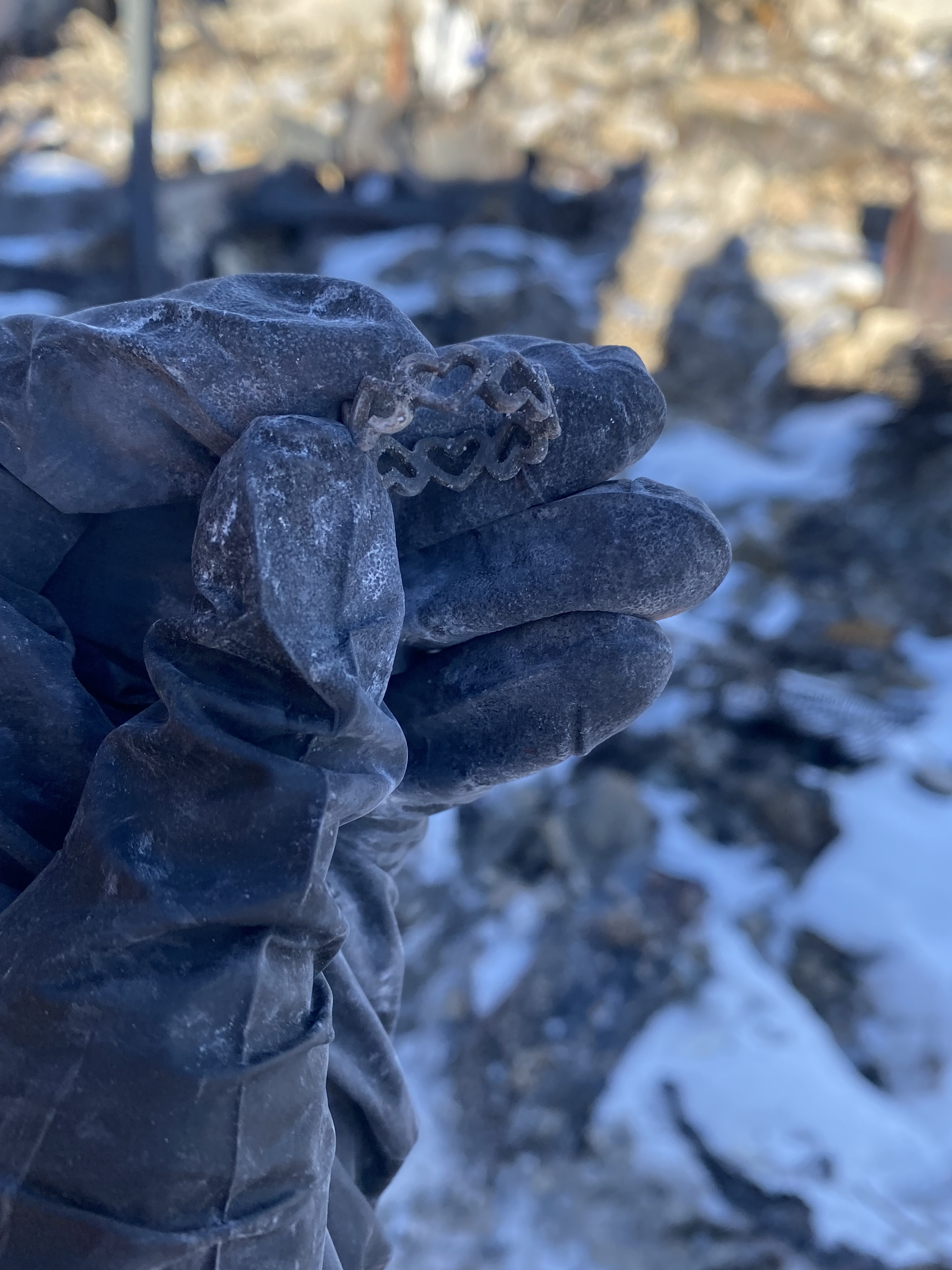
On a small scale, I could understand where things were. Once I found my books and a magnet, I figured my jewelry was close. But it wasn’t always so intuitive. Things fell and were blown around so violently that at times, nothing seemed to belong in the areas in which I was looking.

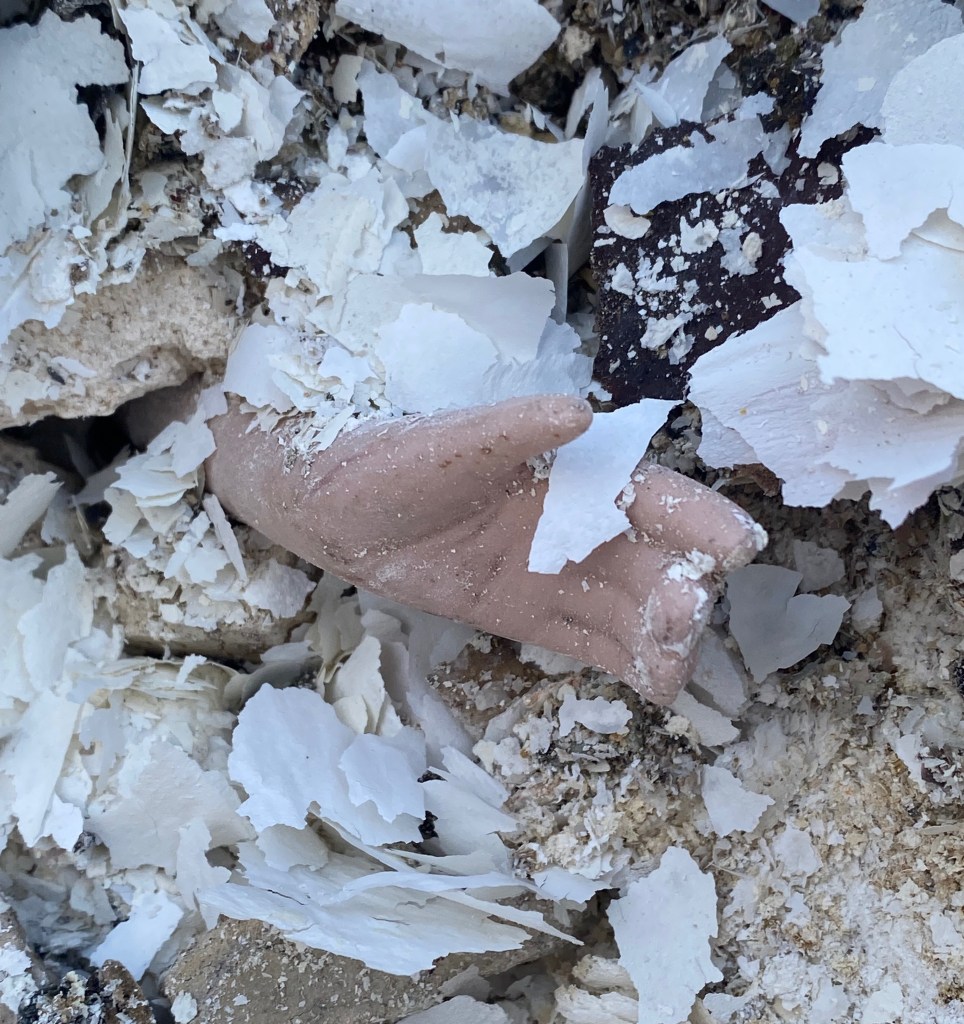
The doll arm was a disturbing surprise. The small, ceramic arm that I pulled out from under a bleached, flaking book used to belong to a decorative doll with a purple dress and curly, brown hair. I had placed her up on the top shelf of my closet years ago and quite frankly, I forgot she was there. I found two arms and a leg.
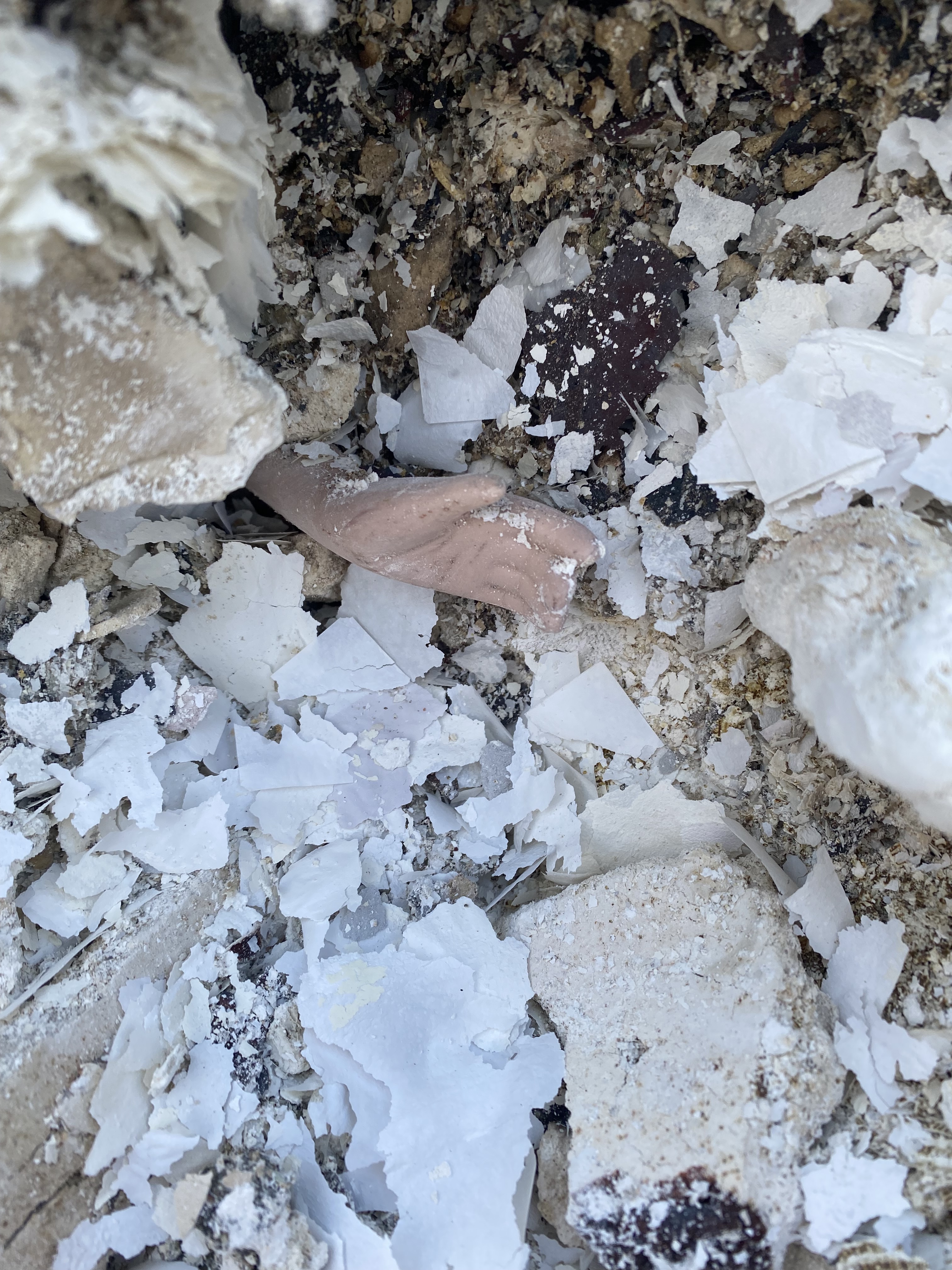
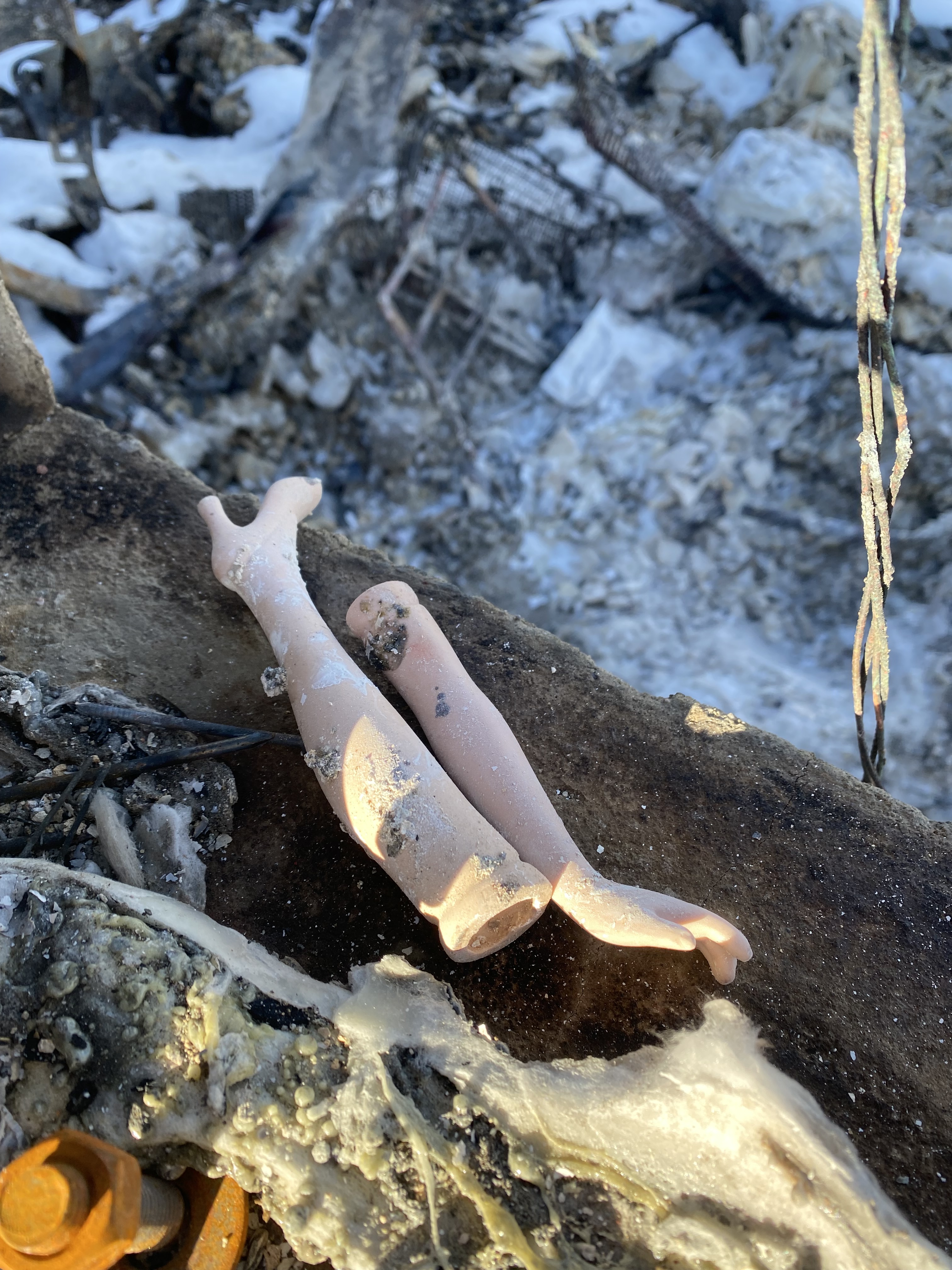
Later, I tried to clean the disembodied limbs with vinegar and baking soda, but they’re too far gone. I suppose it might be creepy to hold onto them, but the gallows humor of it was too good to pass up without trying.

That first day at the house was exhausting. The shock of seeing it in person and of walking over the shattered glass and buckled drywall covering the blueprint of our house was beyond difficult.

It’s odd the way things blend into the rubble. I walked by the spiky metal pole at the back of the house 5 or 6 times before I realized that it was our Christmas tree. It took me another second to recognize that the amorphous glass shape adhered to the middle was a conglomeration of melted ornaments and lights.

Several large pieces of twisted metal in what was my room turned out to be Stella’s crate, the shelving from my closet, and my box spring. I was crouched, wearing a Tyvek suit, an N95 respirator, and goggles, digging with my gloved hands through two feet of wet ash and drywall. It hit me occasionally that I had been sleeping mere feet away from that exact spot only two weeks ago. Blissfully unaware of the impending disaster.
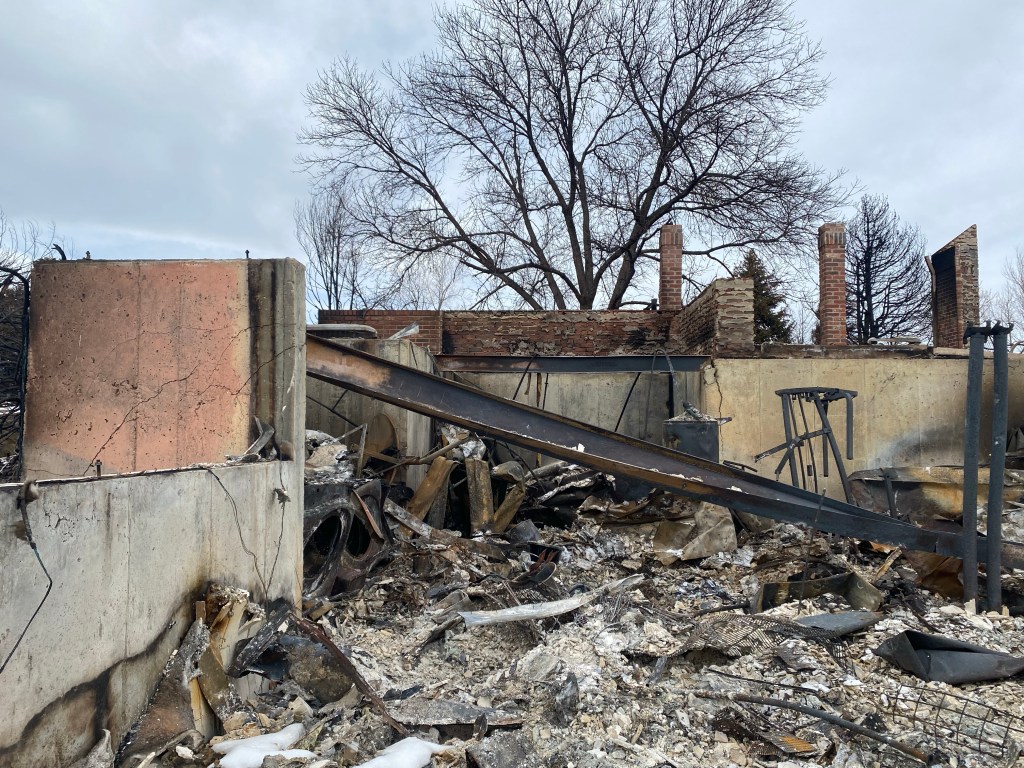
It was exciting to find some things on our first day. We weren’t expecting to, so the rush of success kept us sifting and digging far longer than we intended to. It was hard to stop once we had started. That momentum made it easier to focus only on the section in front of me and the items I thought were nearby. I could tune out the rest of the house, only taking it in when I stood to move to a new area.
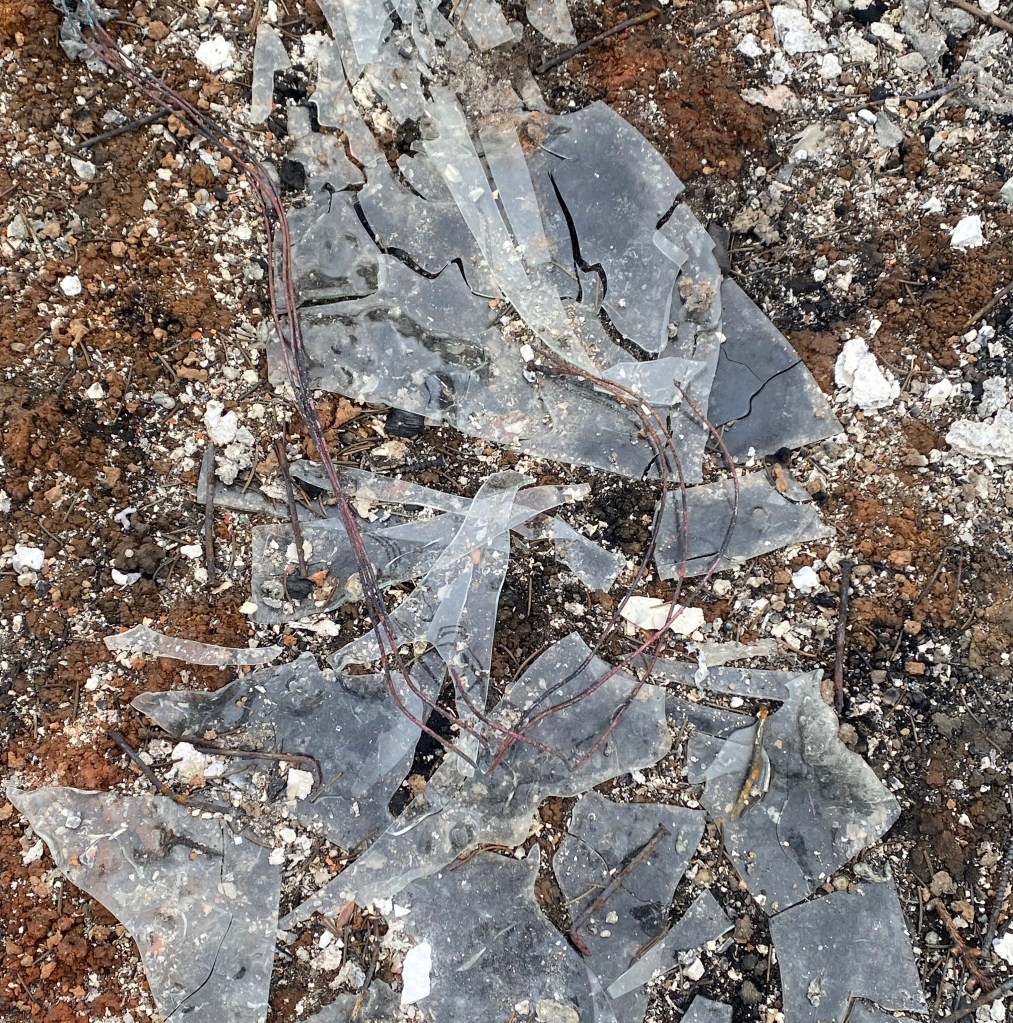
A windowpane

The second time we went to the house was more emotionally challenging. Having seen it once already, it was less shocking but more deeply disturbing. It had sunk in since our last effort to sift. Still, we had found some things the first time, so we suited up and got back to work. Very quickly, my sliver of optimism turned into a sad, frustrated, mildly foul mood.

I was finding crispy, rusted rectangles that once were magnets from my collection. Was this one from Denmark? Was it from Sicily? I found a ceramic turtle, broken in several pieces, and I found mound upon mound of worthless rubble.
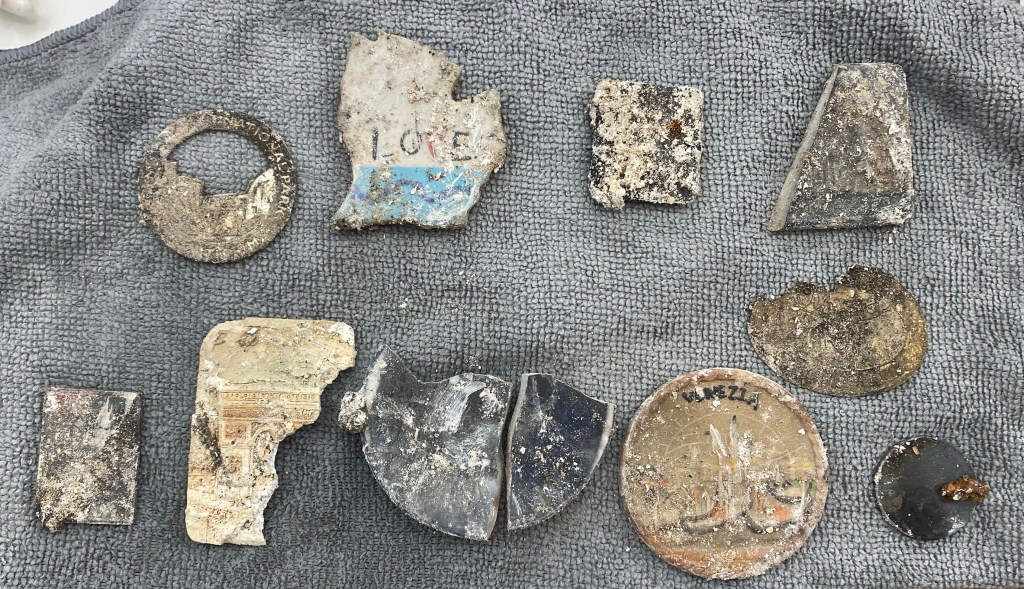
Grand Canyon National Park, Michigan, Cologne, Washington DC, no idea, Paris, Florence, Venice, Glacier National Park, no idea.
And these are the good ones of the nearly 100 that existed before the fire. I’ll get rid of most of them, but I wanted to take a photo.

Most of the things I found that were recognizable were too damaged to keep, so every time I found something, I reacted with sad dismissal. More ruined magnets, more shards of ceramic something or other, more melted glass, more ash and twisted metal and gritty debris. Everywhere I turned, there was more of the same.

Sometimes, I’d find something bizarre and warped, puzzle over it for a few moments, then discard it when it dawned on me that it was a carabiner that was in Stella’s hiking pack or the extra charging cables I kept by my bookcase. It was hard to know whether I was holding something precious or not because it all looked largely the same; everything is crusted over with foul-smelling concretions that have strange forms and colors. That, or the object itself is melted into something else and is completely distorted.
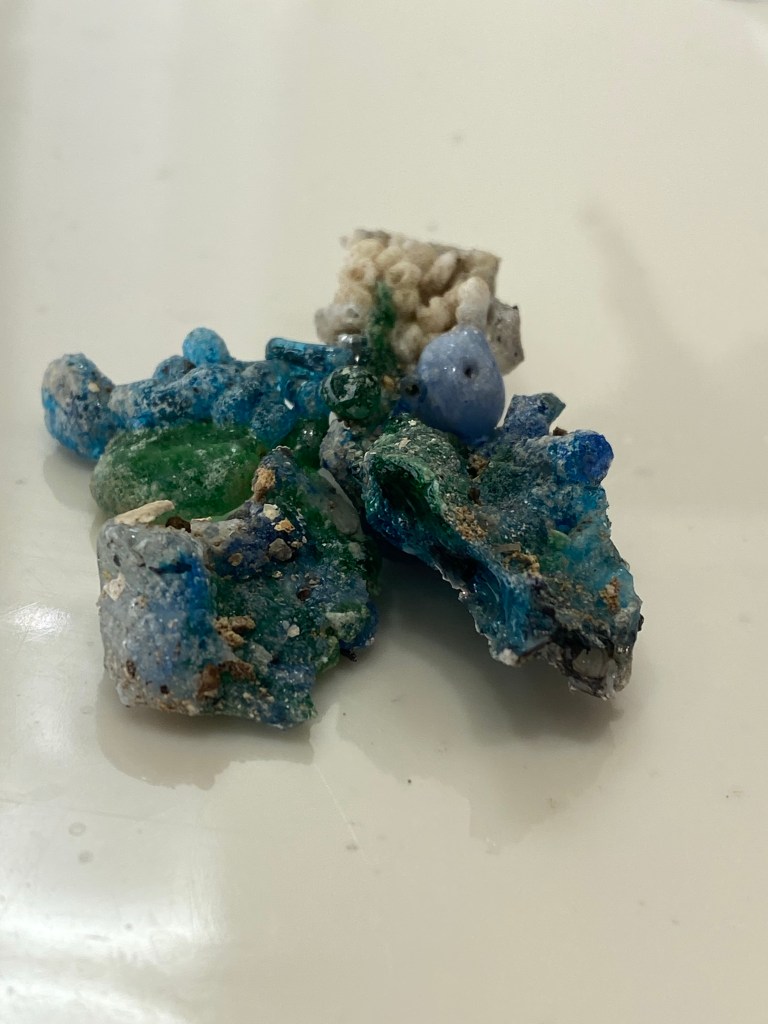
Melted beads

For the majority of the time we spent there on the second visit, it was absorbing and easy to get carried away with. But, I eventually reached a point where nothing I found seemed worth keeping and my presence there felt pointless.
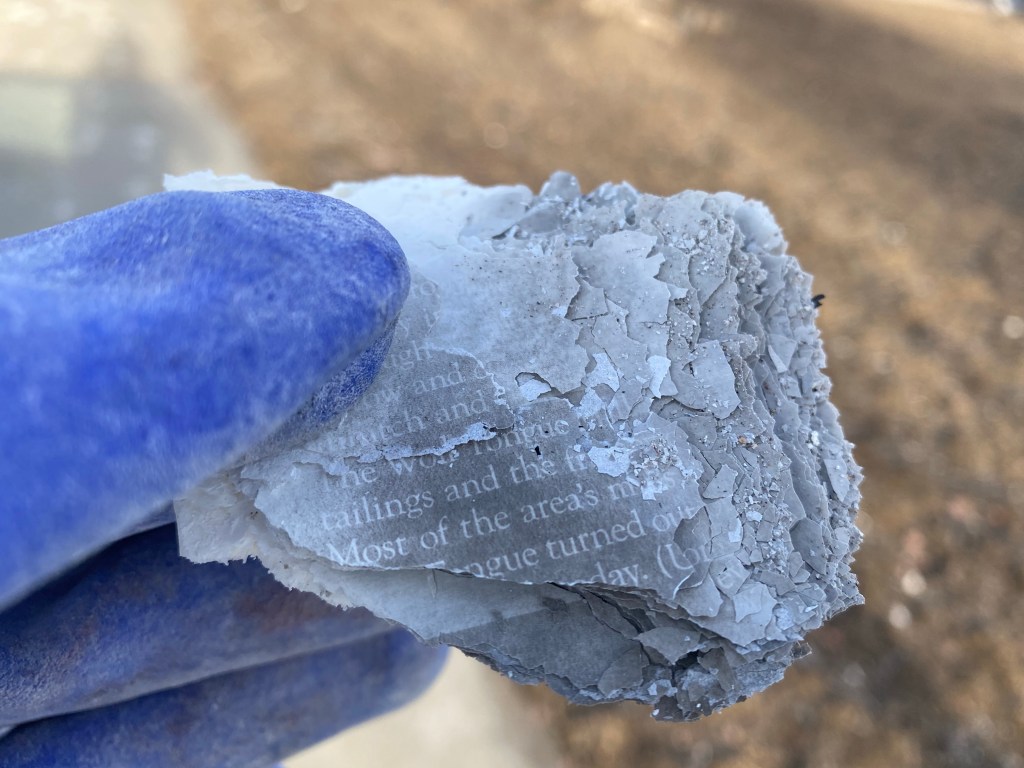
A book with legible writing – rare. Most lumps of formerly books are completely blank.

On the face of it, I feel very fortunate. I have my family, my dog, and means to survive. The future-thinking part of me just wants to see the next steps. I don’t need much to function, so my focus is just to get the essentials. I try not to let myself think too much about what’s gone, but being in the house, or rather, being on it, makes it hard to ignore.

While painful, I think that the process of digging through my burned home helped me accept it. It made it easier to let go of the things I couldn’t find, and even the ones I did find. I knew cognitively that nearly everything was gone, but it was a different matter to feel it.

I’ll save a few things, like the jewelry I found, but the broken flower pots and the melted knick knacks can go with the rest of the house.
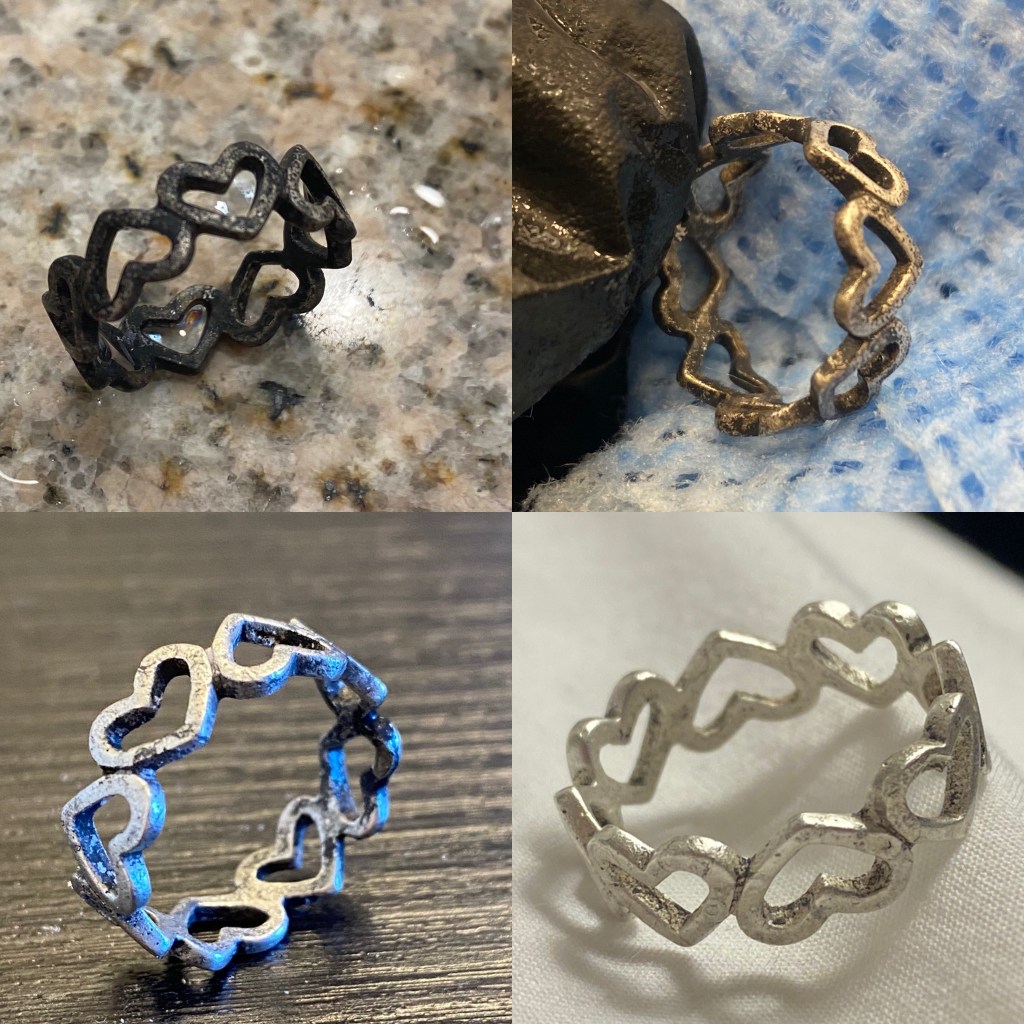
Scratched and pitted, but intact and all the more special for what it survived.

Documenting the aftermath

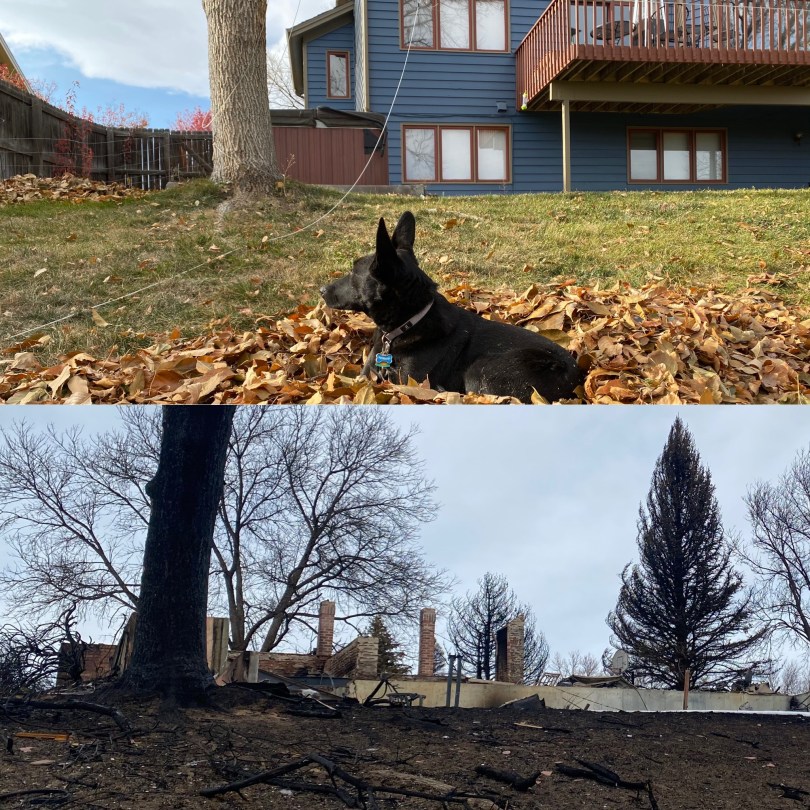
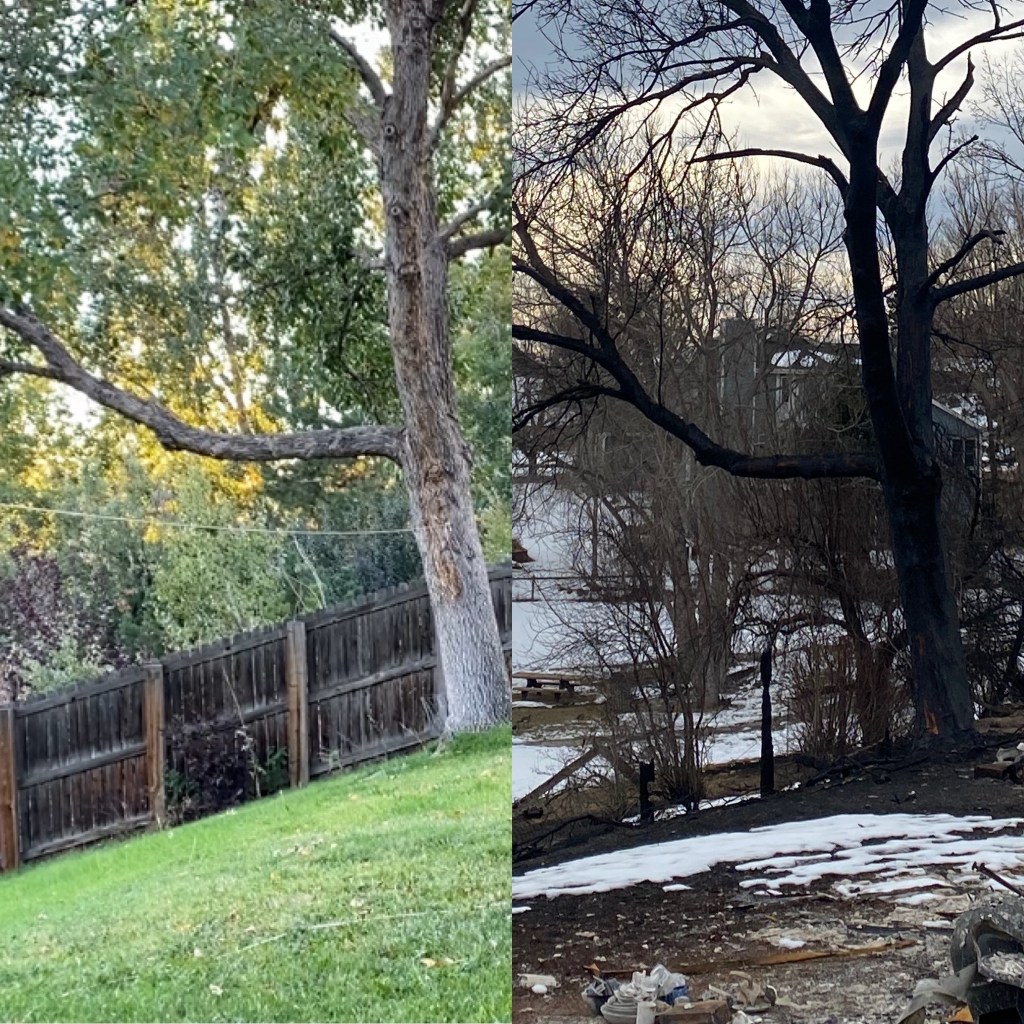
Every time I go back to the house, it’s harder to be there. I walk around, taking pictures from angles that I know will line up with photos I have from before the fire.
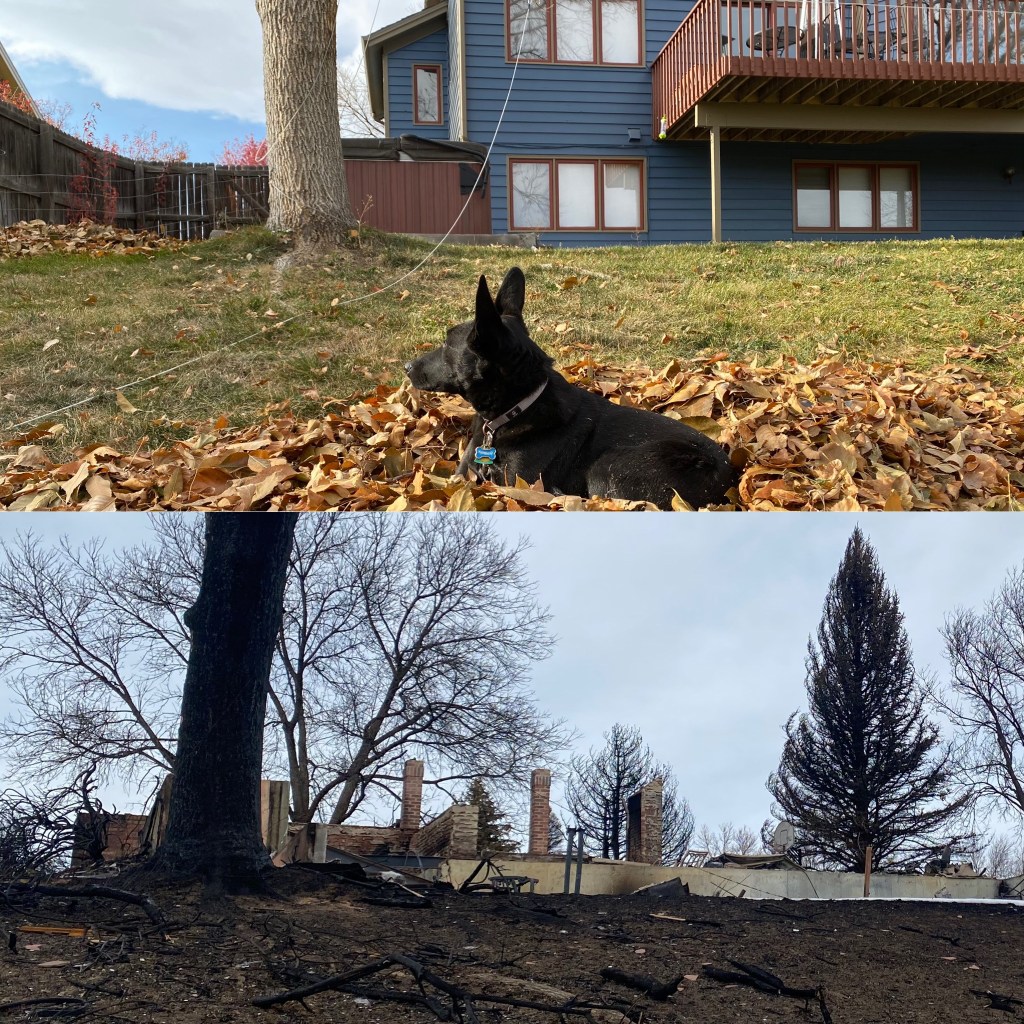
It’s dark, but I find myself wanting to honor my home that way. To me, there seems to be an extra injustice in the fire’s removal of what makes my home recognizable. The photos I take of it now only show the destruction, not the warm, familiar place I knew. Comparing the before and after feels like one way to document the home’s identity.

I think it’s natural to become numb to the sight of burned-out houses when you see them on the news and drive by them in your town, or – when it’s not your community – to not be able to grasp the devastation that each household is facing. But none of the homes that burned down were generic, faceless piles of charred rubble. The Marshall Fire stripped my house of almost all of the things that made it ours, but it’s still the place we called home, and I think it deserves to be seen as it is and as it was.
Acceptance after the Marshall fire

For the sake of my physical and mental health, I think I’m done digging through the ashes. I had wanted to get into it and see for myself whether anything survived. All the waiting – for the fire to be contained, for the snow to come and tamp it out, for the neighborhood to be deemed safe enough for entry – it gave me lots of time to wonder what could be lost under layers of debris, waiting to be discovered.

While depressing, it was something of a relief to be able to reassure myself that there was very little left to be found. And now that I have, I see no reason to continue exposing myself to the dangers of the property and the acute heartache of standing within it. I have a few things, and the rest is gone.

I feel ever so slightly more prepared to move forward, now. I want this experience to inform my perspective on material items, on being prepared for anything, and on the value of helping hands in times of darkness.

Not the disembodied doll hands, but the real ones that are attached to real people.
My House Burned Down in the Marshall Fire in Colorado

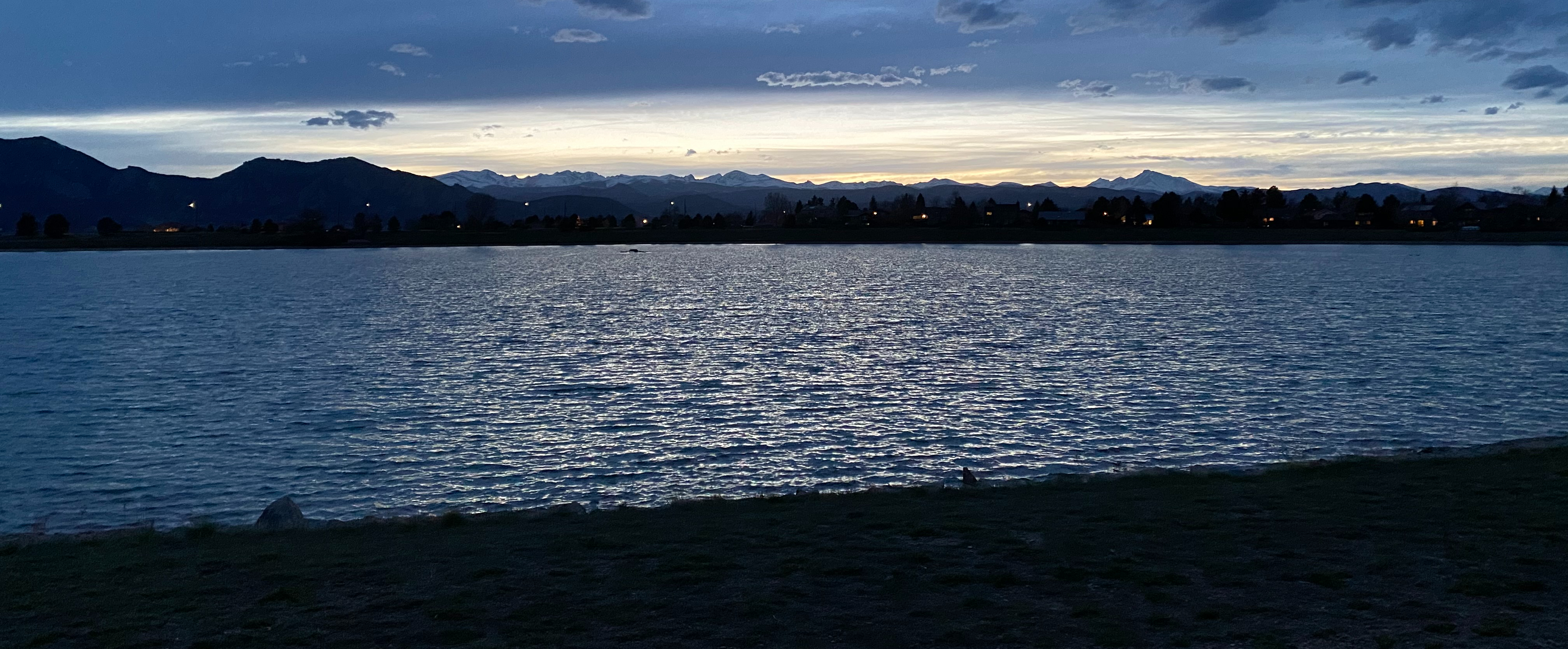
On the morning of December 30th, 2021, my mother and I walked through the neighborhoods across the boulevard, pausing to watch the geese on Harper Lake.

We marveled at the waves, agreeing that we’d never seen such wind in our community. In the shelter of the neighborhoods, we picked up empty milk jugs and cardboard boxes – recycling day in the wind. Entire, filled bins careened through the streets in the windier spots, strewing their contents across yards and mailboxes.

We thought that would be the worst of it.

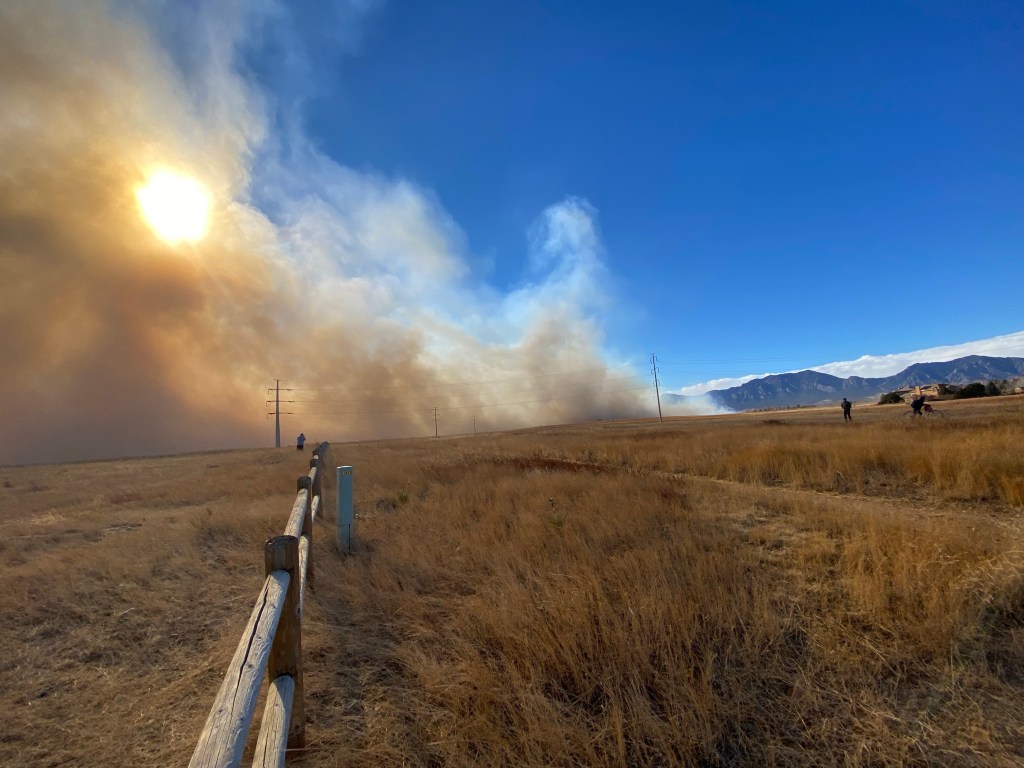
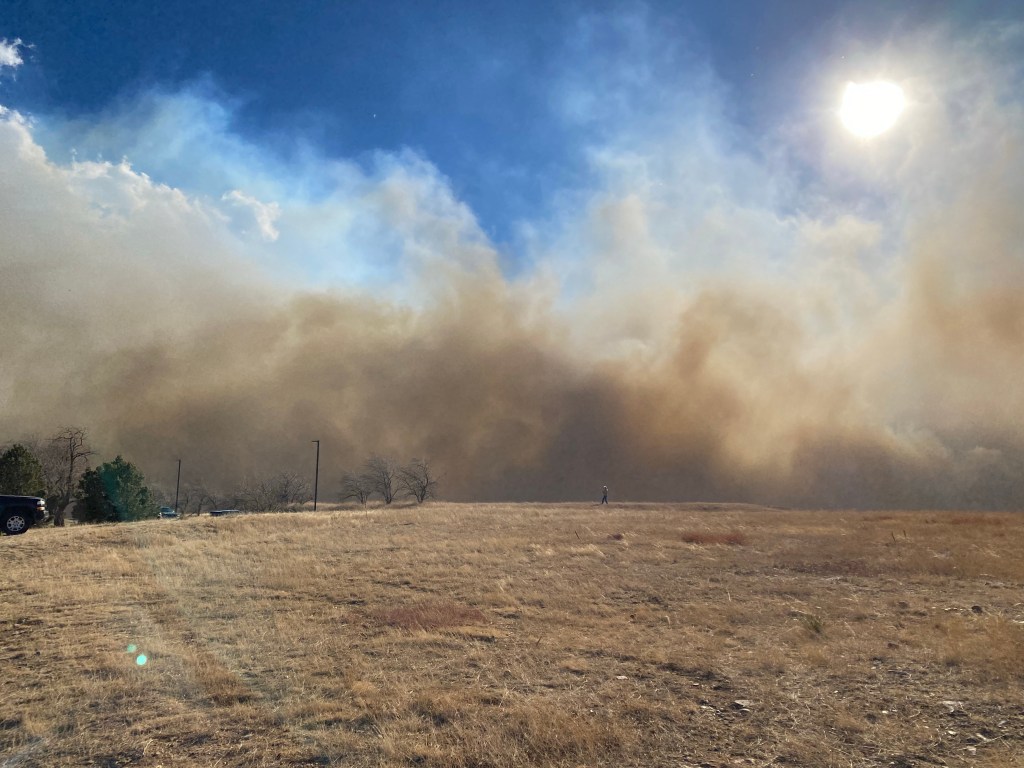
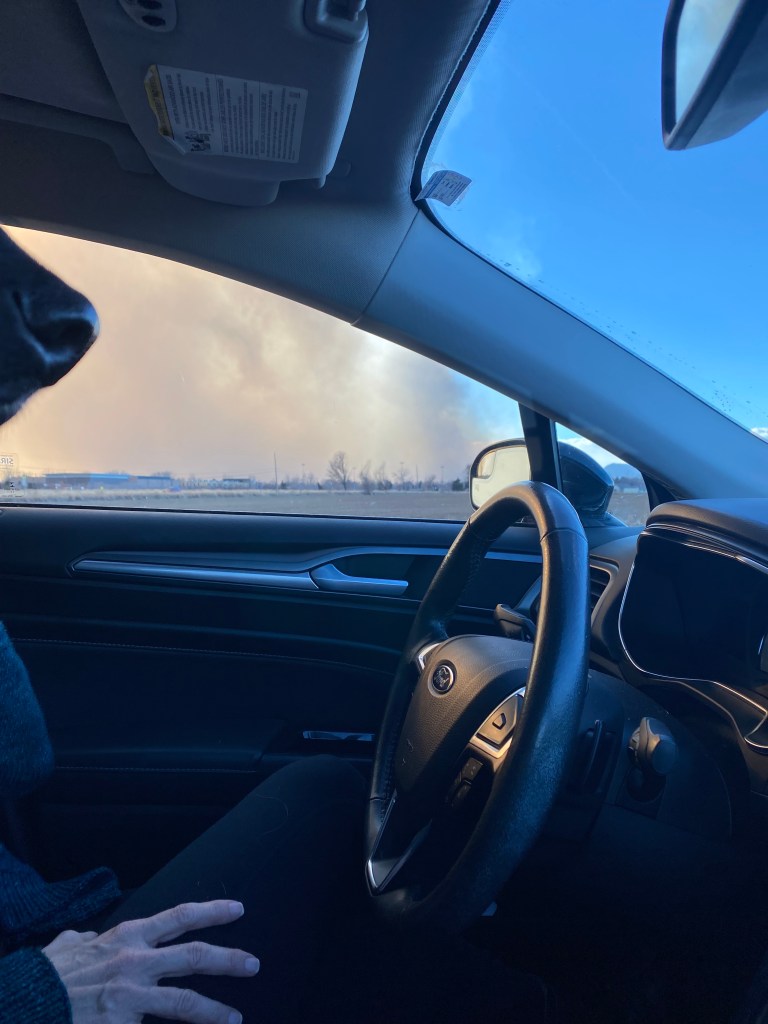
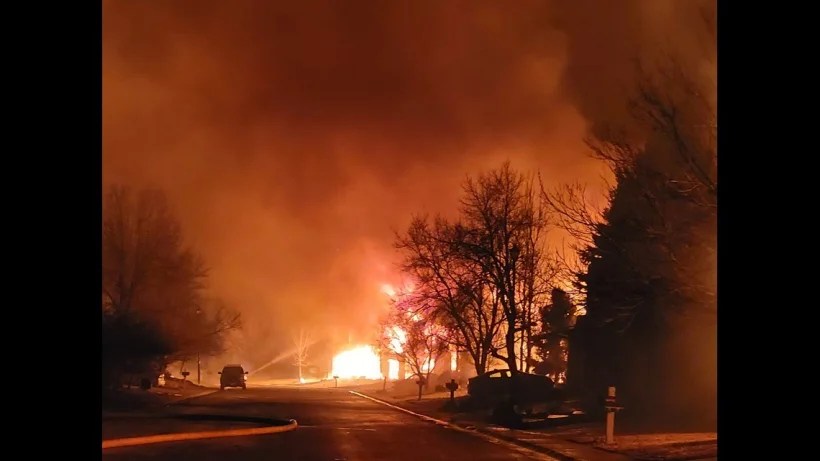
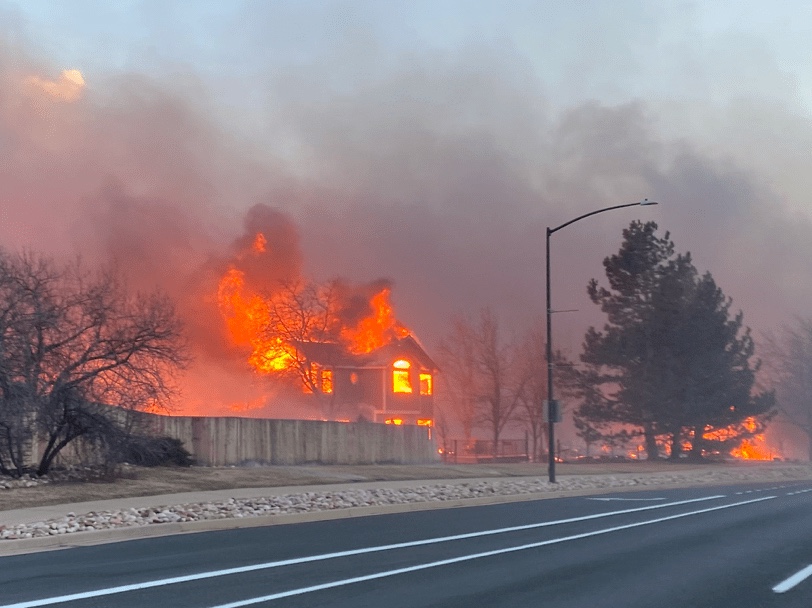
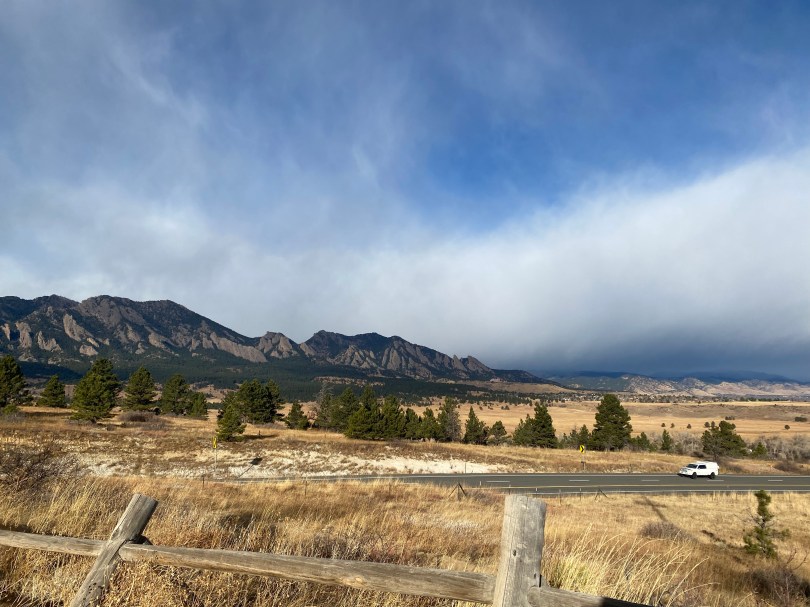
Around noon, a cloud of smoke came billowing over Louisville and Superior. Unsure of what to make of it, we drove the short distance to a better vantage point, just outside our neighborhood. From there, it was clear that it was far, far larger than we had thought.

Note the person in the distance.

We were barely able to stand in the wind. Fearing that it might change and send the smoke our way, we headed home and checked the news. An unofficial tweet about a life-threatening situation nearby was what prompted us to start packing. But still, we didn’t really believe that it would grow to be so destructive. Just a couple minutes later, I could see flames in the distance. Our neighborhood sits directly next to a big, beautiful mesa with miles of tall, dry grasses just waiting to ignite.

I have sometimes wondered what I would do if a grass fire erupted while I walked on those trails. A lit cigarette, a lightning strike, a downed power line. On a windy day, a fire would rip through the landscape in seconds, sending burning tumbleweeds straight down the cul-de-sac and into the center of our little circular neighborhood.

That must be exactly what happened that day. We ran through the house, grabbing our wallets, laptops, and not much else. I unplugged the Christmas tree as I hurried by it, not thinking even then that the disaster would progress so far. We were in a bizarre state of disbelief – it was both urgent and somehow so precautionary that I was concerned about having something to do wherever we ended up waiting for it all to calm down. Despite the adrenaline, despite the flames in the distance, somewhere in my mind, I still expected to be home later.

We threw a few things in the trunk, I put the dog in the car, and we pulled out of the garage. The power was still on at that point, but it wouldn’t be for long, leaving panicked people unable to remember how to open their garages manually.

The roads were already packed with evacuees from the neighboring city and ours. It took us an hour and a half to drive across town, but only 20 minutes after we left our home, those parched grasses on the mesa were already spent fuel for the fire raging on the edge of our neighborhood.

(Somewhere else in Louisville or Superior)
Credit and thanks to: Patrick Kramer, firefighter who fought and documented the Marshall Fire

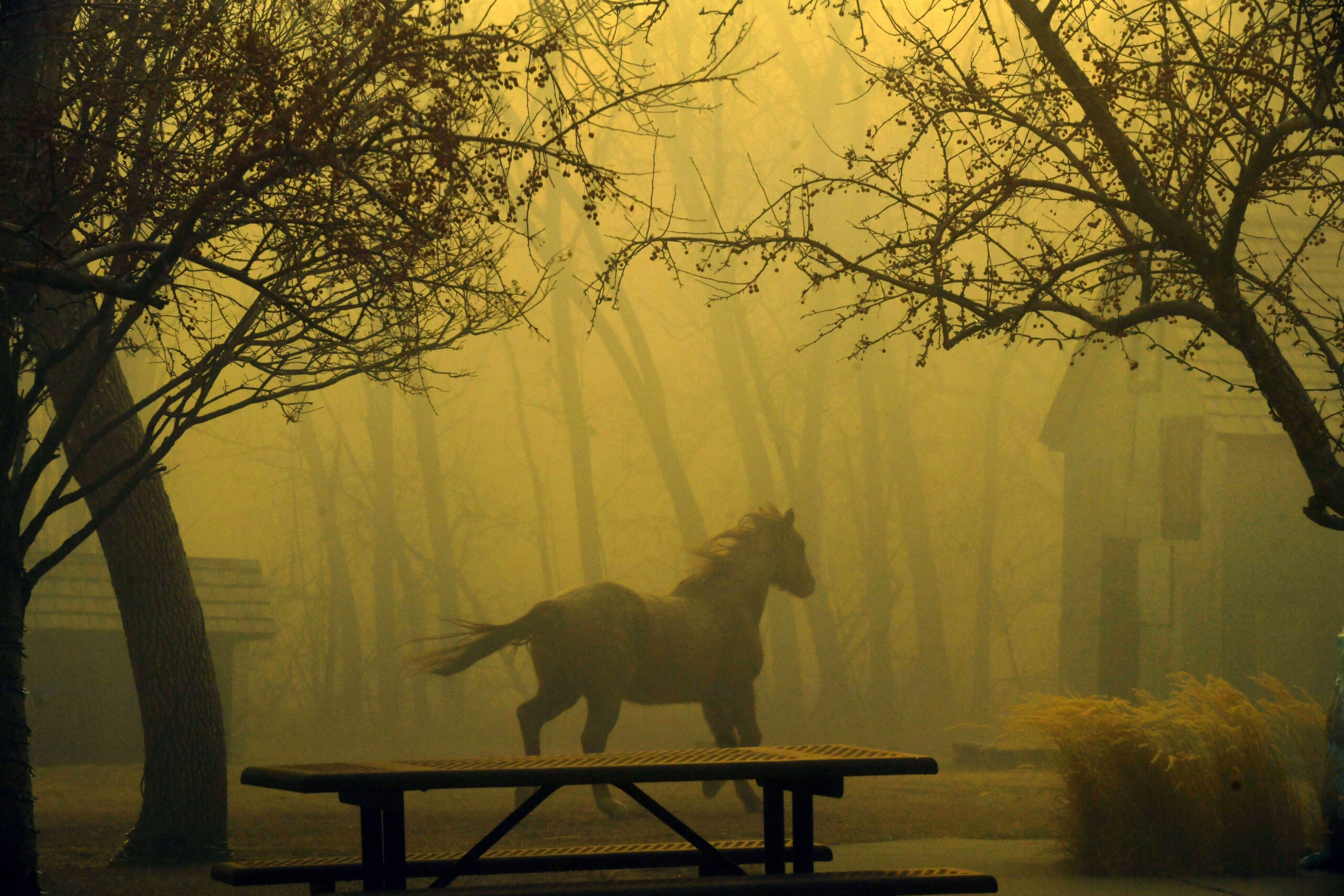
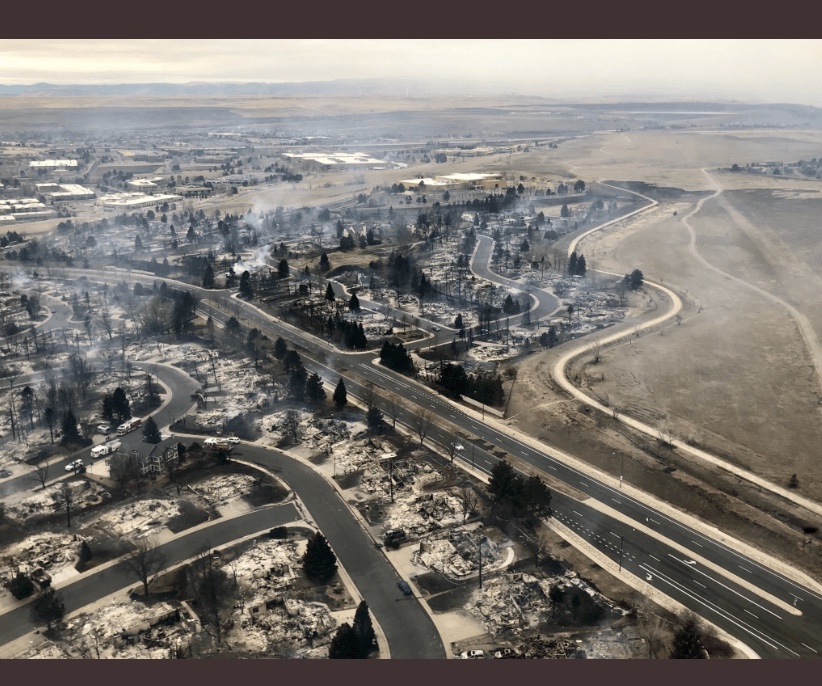
Over 1,000 homes were destroyed in parts of Boulder County on December 30th, 2021. There wasn’t much the fire crews could do for the structures, the jets of water from their hoses turning back on them in the 100-mile-an-hour wind. No planes or helicopters could drop fire suppressants. Costco was surrounded by fire, families fled from the Chuck E Cheese in a dystopian haze, and a horse ran through town, its image captured in a smoky, surreal photo.

A horse runs through Grasso Park, Superior
(Helen H. Richardson/The Denver Post via AP)

By the time the lumber yard of Home Depot caught fire, the fire hydrants were losing pressure as the city’s water began leaking out of hundreds of burned homes.

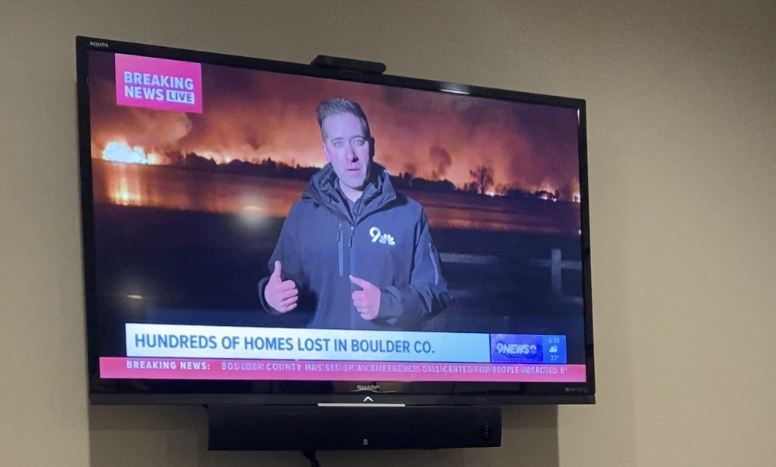
At a family member’s house in Denver, we watched the news. Still in the dark about the fate of our house, we scanned the footage to see if our neighborhood was on fire. We watched the reporter point to the homes surrounding Harper Lake as they fell apart in the inferno, the geese long gone on the wind. All the trash we picked up that morning now seems a tragic lesson in futility.

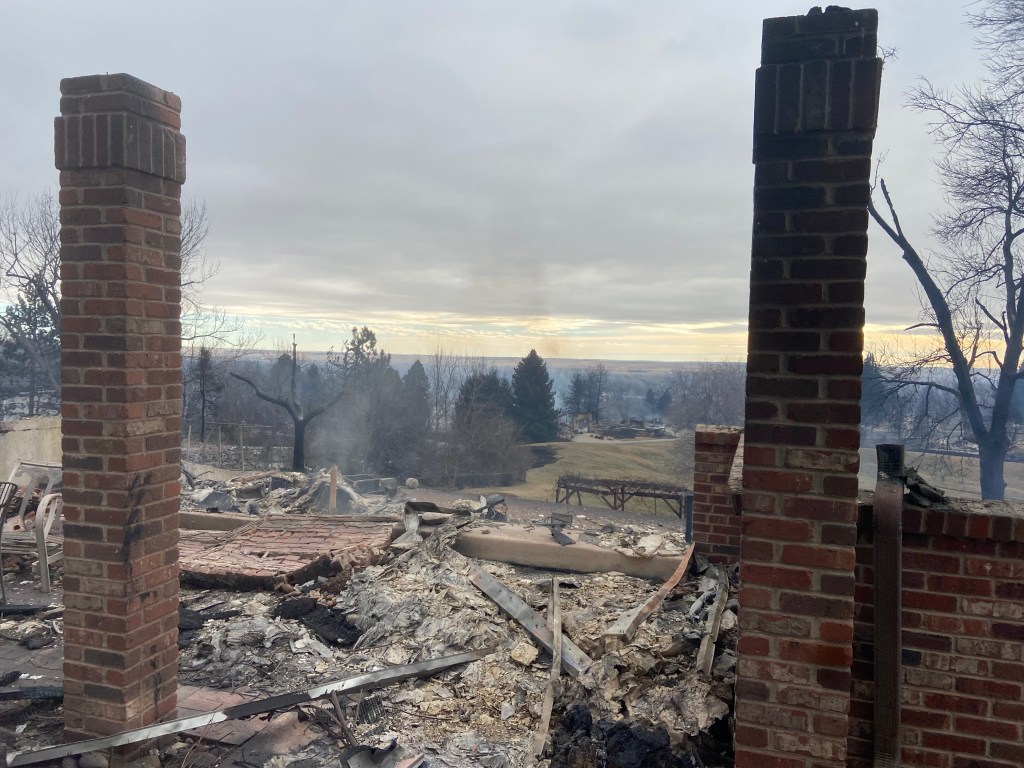
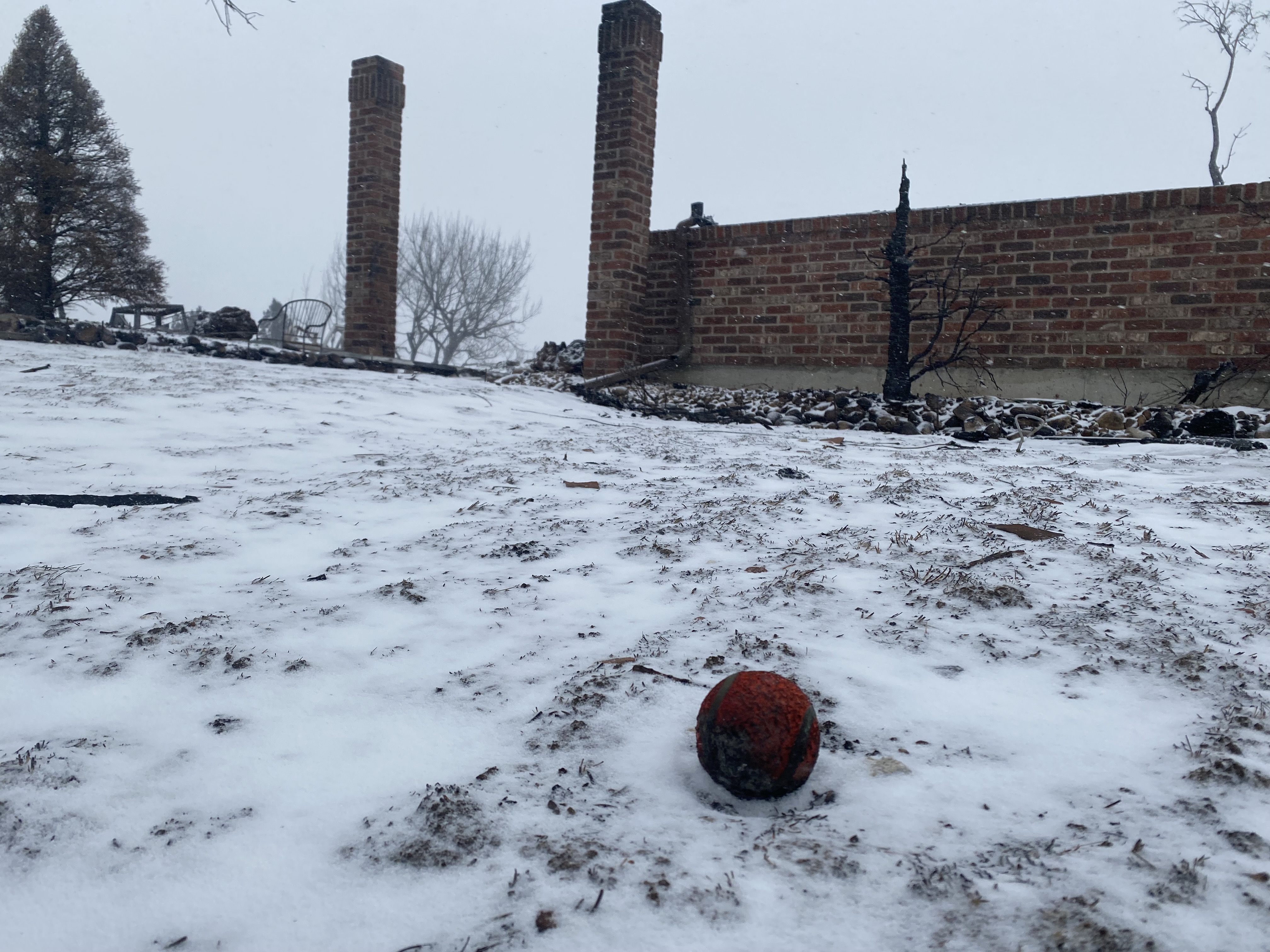
There’s nothing left of our house across the boulevard from Harper Lake. Just two brick pillars where the front door used to be.

I am overcome with grief at the thought of our home burning, everything exactly where we left it.

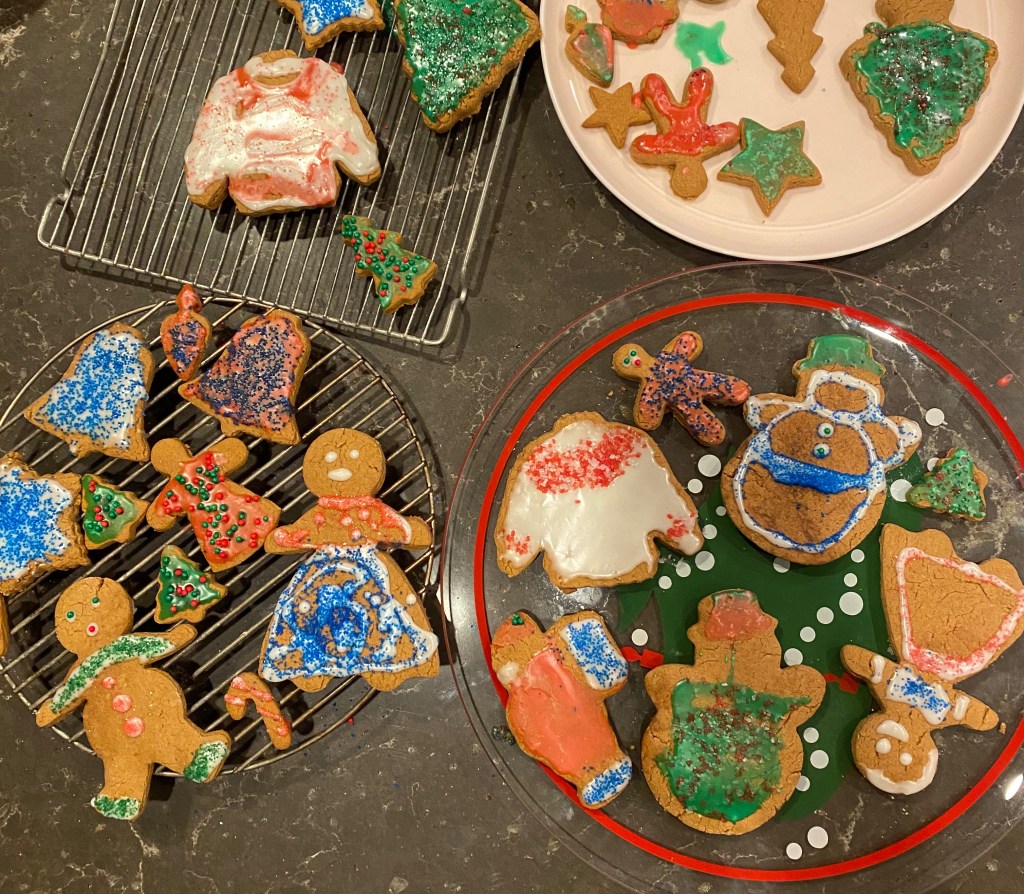
My coat, which I forgot, by the door. The dog bed in the alcove, the Christmas tree, the pictures on the walls. The fabric I’d laid out on the table to begin a sewing project, and our gingerbread cookies on the glass plate in the kitchen.

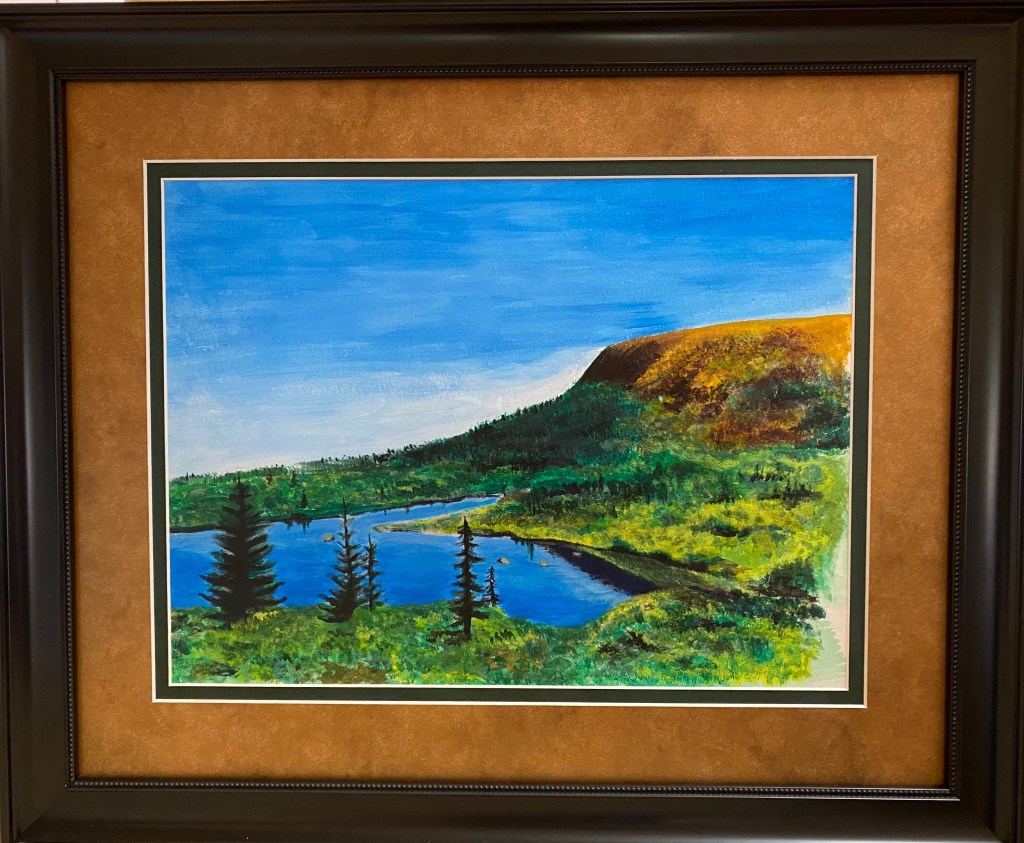
I can see our house in my mind as a snapshot in time – and then I see it all burning. As if I were standing in my house while in a bubble, watching it consume each and every flammable particle, I watch my sketchbooks and paintings disintegrate into fine ash.

I see the sweater my mother knit for me for my 16th birthday blow away as smoke, and the boxes of family photos in the basement go up in flames. The dishes shatter, the books burn, and in the deafening roar of the entire flaming city, the support beam in the basement twists in the heat and falls. Not even the frame is standing, having been reduced to ash in the rubble of what used to be our home.

I think of all the homes this way, their own family heirlooms and well-loved belongings going up in smoke all over Louisville and Superior. Every house held irreplaceable treasures.

Credit: The Denver Post

My heart hurts for the loss my family has suffered and for the entire community. All the things we’ll never get back. All the work that lies ahead.

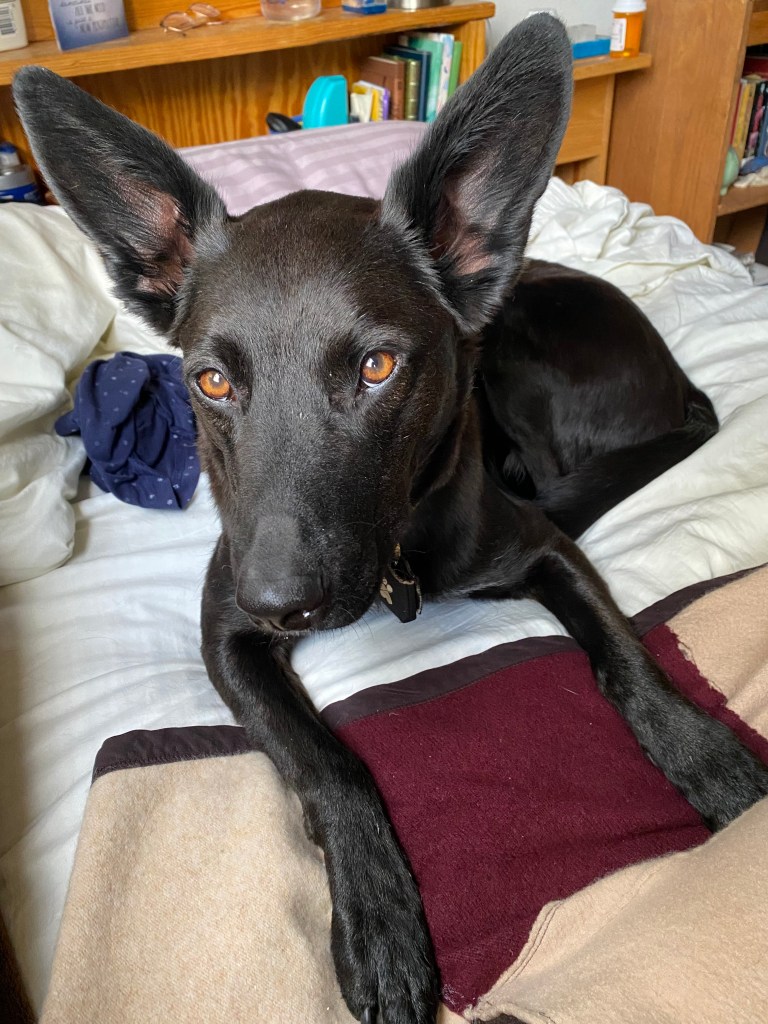
I marvel at the timing of our own personal disaster. We saw flames and decided to leave at 1:10 PM. By approximately 1:30, the flames had reached our neighborhood. I absolutely shudder in my skin to imagine what could have happened if we had been at the store or out to lunch, or anywhere not home. Like many pets in the area, Stella would have been trapped. Her orange ball still sits in the yard – charred – but recognizable.
The way the fire blew through open areas at high speed was terrifying. Authorities estimate that in some places, it was moving the length of a football field in a matter of a few seconds.

If we had been out, there’s no way we could have made it through the traffic in time, and it makes me sick to think about. What if one person had the car and the other was stranded at home? What if we had been asleep?

It was some consolation for a day or so to believe that no one had lost their life in the fire, but that was soon updated. Two people remain missing and are presumed dead, and the unidentified remains of a third person have been found inside a burned structure. The loss of human life is the worst outcome possible during a disaster, and I know that all of us, especially those impacted by the fire, feel that loss keenly. We escaped with our lives. At least one person didn’t. The family and friends of that individual have a horror to live through unlike anything I experienced. I hope they have support and that eventually, the pain of the way in which they lost their loved one subsides, and they can remember them with peace.
The Meaning of Things

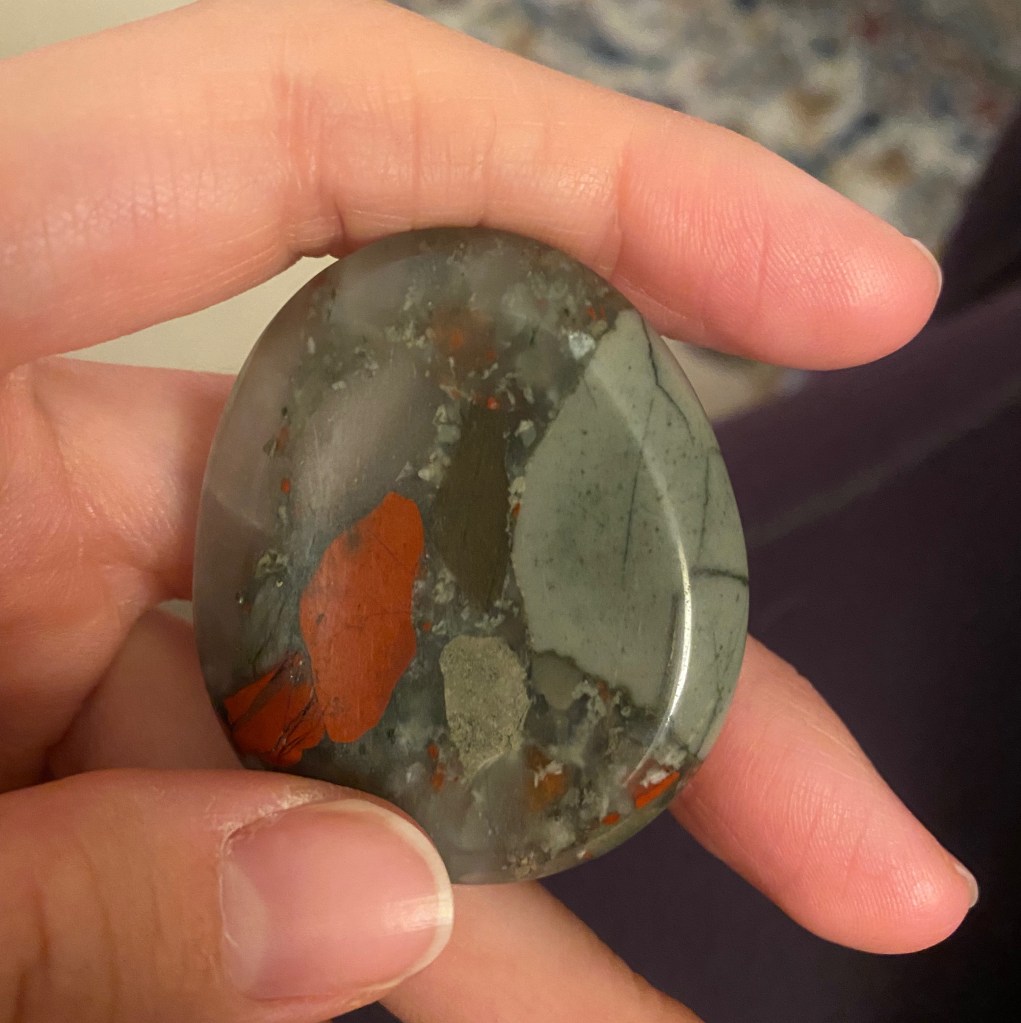
I find myself checking on my few belongings to make sure they’re where they should be. Nearly everything I own from before the fire is in my backpack, including the thumb drive with photos that I grabbed from my shelves and a worry stone that happened to be in my purse. I get a stab of anxiety when I think I might have misplaced something.

There are some things that have survived by being gifted or lent to others. A signed book my mother lent to a friend is now the only book she owns from before the fire. Pieces of artwork I’ve given as gifts are tucked away safely in others’ houses.

Other things were saved because we were wearing them, we grabbed them in our rush to leave, or we discovered them in our purses or the car once the house was already gone.

The thought of starting over with nothing familiar is difficult to swallow. All the little choices you make throughout the years to accumulate what you have are suddenly void. The belongings you get immediately following the disaster are welcomed, but different – different forks, different pillows, different gloves, different everything. There is so much change, it can’t possibly hit you all at the same time. Knowing that our house is gone, and as an entity, that place will never exist again, is gut wrenching. It’s a blow to my mental health that I’m not quite sure how to handle.

A book that became tightly compressed and somehow retained its ink.

This house is not the only place I’ve lived, but it is the only place I’ve lost in this way. My family bought the house almost 2 decades ago, and I’ve been living there ever since, except for two years in high school and the fall/winter semesters of college between 2014 and 2018.

Setting aside the items inside the house, the sense of loss when a home is destroyed is different from the sadness of moving away. In both cases, you no longer live there, but in one, the house is obliterated. Wasted. There will be no more triumphs and tragedies within its walls- yours or anyone else’s. Almost as if a house were a living thing, it’s difficult to accept that it no longer exists.

We attach meaning to things because we’re human. We make symbols out of them, let them represent feelings, events, people, and memories. We collect little trinkets, ticket stubs, and tangible evidence of our successes.

Everything inside a house is stuff. It’s also more than stuff because we make it more. We see a history unfolding in our lives that should be documented, and the physical pieces of that often feel the most real. A baby’s dress, a letter you saved, a single earring you can’t let go of- they’re all little slices of your past.

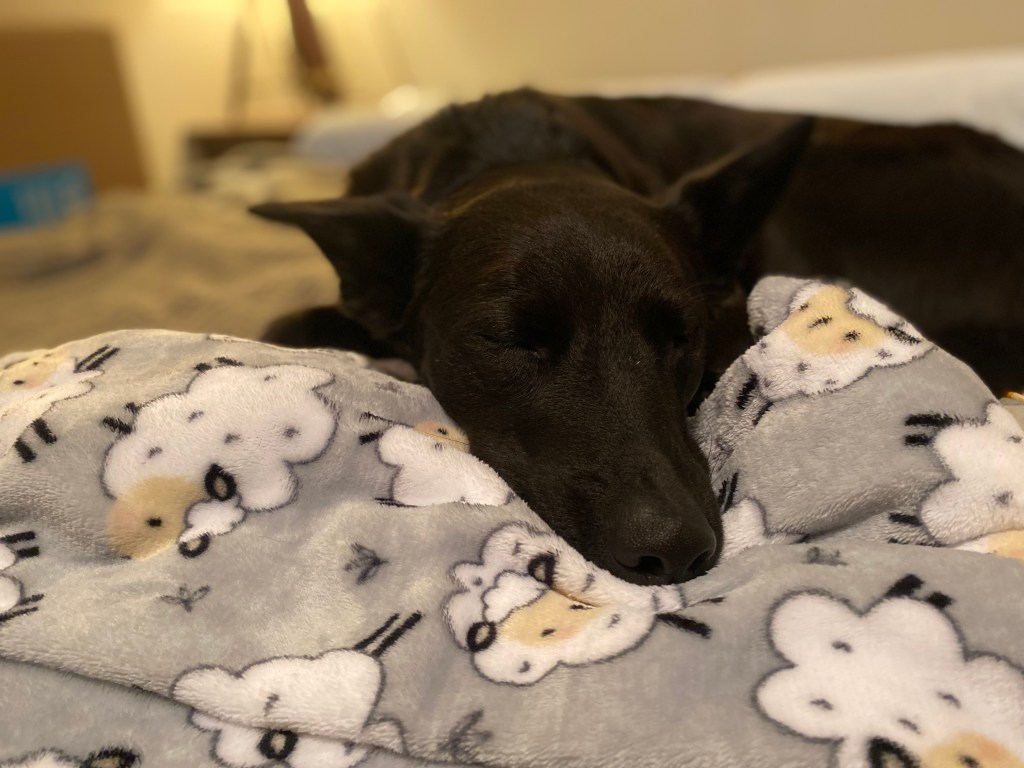
Losing all of that at once is overwhelming, sometimes beyond my own capacity to feel it. You do, however, immediately begin accumulating new stuff with which to make symbols. A fleece blanket the Pet Pantry gave me for Stella at the Disaster Assistance Center, the clothing so generously donated by friends, family, and strangers alike, and the thoughtful gifts of art supplies I’ve received are all things that I appreciate much more than I would have before the Marshall Fire.

Stella’s new blanket

At the same time, I’m grieving for my neighbors’ homes, the businesses in Louisville and Superior, and the city itself, which has been forever altered by the Marshall Fire. I don’t own the homes that I walk my dog by every day, but I feel like I’ve lost them, too. The homes I used to play in with kids my age, the gardens I admire in the summers – the pure familiarity that comes with a hometown is gone.

Homes across the road from my neighborhood, near Harper Lake (credit unknown)

I’ve spoken to some neighbors about the Marshall Fire briefly, and each time was comforting. We are all dealing with the same sadness and uncertainty, and while I wish my neighbors weren’t experiencing this with me, having that sense of community can be a push to rally for a shared purpose.

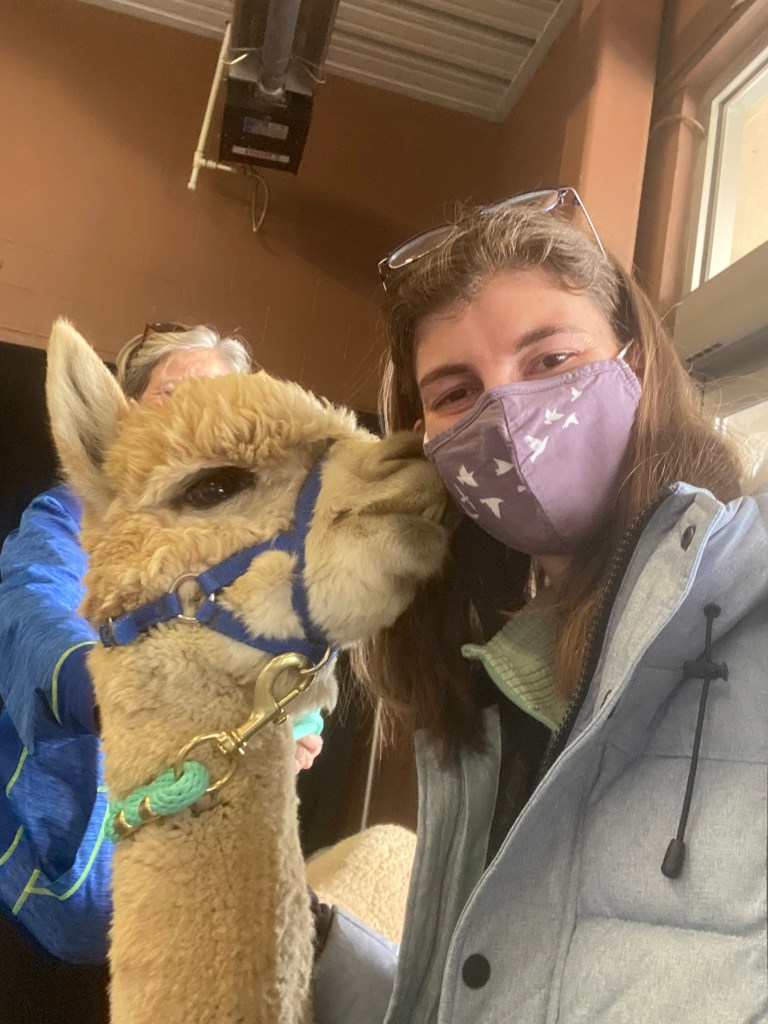
Some will rebuild, and some will move away. We’ll always share this history, though, and I hope we’ll stay connected. We’ve seen so much compassion and generosity in the last few days that I feel as though my understanding of human nature has been brightened. We humans are complicated, resilient, emotional stuff-collectors. The community will adapt to this disaster and come out the other side eventually. We might even be helped along by the sweetest therapy alpaca ever.

To leave a comment, jump to the top and check under the post title.

Categories

Long exposure blue lights in the shape of sound waves against darkness

Sound Sensitivity: The Ketamine Chronicles (Part 36)

I have found that my most vivid experiences with ketamine treatments for depression happen when I’m listening to classical music. At my appointment this week, I popped both earbuds into my ears and started listening to a classical playlist while the infusion pump started to whir. The piano in the first song was soothing, and I settled back, holding my phone in my left hand and a worry stone in my right.

Music During Ketamine Infusions for Depression

The next song was heavy on the cello, and while I love cello music, this song gave me a decidedly creepy feeling. It brought to mind lots of puffy, white items in creamy white rooms that made me feel suffocated. It reminded me of a funeral home. I thought about changing the song, but that would have required control over more muscles than just my fingers, so I just waited it out, circling my thumb around the stone in my right hand.

The Worry Stone and a Mild K-Hole

The worry stone has proven to be a useful addition to my IV ketamine treatments. Even though it’s just my thumb that I can feel, that one little point of contact helps anchor me to the real world when I start to dissolve into nothingness.

During my previous ketamine infusion, in which I did not have my stone, I had found myself unable to move. I was probably experiencing what people call a “K-hole.” At times, I was aware enough to know that I only had one earbud in and wanted to grab the other one from my lap. I just could not force my arm and hand to move toward it. I’d try for some undetermined amount of time before giving up and being whisked away from my body once again, only to repeat the whole thing a little while later.

It wasn’t scary so much as it was frustrating. There was something I wanted, and not only could I not do it myself, but I was incapable of communicating my request in any way. We lowered the dose a little for this infusion, and I think that combined with the itty bitty scrap of control I maintained through the worry stone made for a much more comfortable ketamine infusion.

Controlling My Thoughts During a Ketamine Infusion

When the next song came on, I decided that I did not like all of the white imagery I was seeing, so I changed it to a more tan color and was immediately more comfortable. I don’t think that I’ve ever been able to just decide to change something about my experience of IV ketamine, so this was an interesting development.

I’ve contemplated the connection that happens between my recent experiences and IV ketamine that occurs in the form of bizarre, distorted versions of real-life items or events. I often start to see things during a ketamine infusion that I remember having a passing thought about a couple hours earlier. For instance, the oceans of corn I witnessed after briefly thinking about movie theater popcorn before one of my early ketamine infusions.

I’ve been mostly unsuccessful in doing this on purpose by seeding my mind with ideas. I had thought that my brain simply has its own agenda, but if I can change details like color while the infusion is happening, maybe I could learn to guide myself more reliably over time.

Machinery Noises

The infusion pump next to me whirred and chugged away, and although sometimes it faded into the background, at other times, it was extremely loud and menacing. It started to sound like a deep growl, and I felt as though I were trapped in a small space with a sinister beast and a red glow all around me. This occurred for only a few seconds, as I quickly tried to ground myself using the worry stone in my right hand. I remember thinking to myself, “This isn’t real. You’re sitting upright. You can feel the stone in your hand. This isn’t real.”

Abstract red painting with black shadows and gold splatters
Photo by JR Korpa on Unsplash

Forcing myself back to the room felt like dragging myself up, up, up through a dark corridor to the surface. I turned up my music to drown out the sound of the pump and found myself floating into another feeling entirely.

What Am I?

At times during this ketamine infusion, I felt like I was a thin layer of ice spreading across a pane of glass. I watched the methodical movement of tiny ice crystals marching across the pane, like an army moving to claim new territory.

Closeup of ice crystals covering one half of a pane of glass with a view of trees outside
Photo by Sydney Rae on Unsplash

I watched it and I felt like I was it. It’s difficult to explain how disconnected I feel from my own body during a ketamine infusion. In fact, it’s difficult for me to fully comprehend after the fact, despite having experienced it many times. I still feel like myself, I’m just lacking a physical body. I’m free to move around as what feels like my pure essence, observing and sometimes participating in events that sound nonsensical to my rational mind. Although I seem not to have much control over what I see or become, it’s a somewhat pleasant experience to not feel constrained by my human identity.

Real-World Distortions

I rebelliously opened my eyes once to see the room coated in a gently moving, gauzy film. The walls seemed to shift as the film moved, creating odd, geometric patterns over everything. The photo on the wall suddenly had an ornate frame that stood out to me as being different than the understated one that had existed before.

My mom sat in the corner, typing quietly on her laptop. I tried to focus my eyes on her, but ketamine messes with my depth perception and I couldn’t even manage to keep my gaze on her face without my eyes jumping around the room and then back again. Finding the effort of this to be tiring, I closed my eyes again.

As usual, I was underwater for a time, but I don’t remember any specifics. I don’t know if it was the ocean, a lake, a river, or a stream. All I remember is that it felt somewhat healing.

Going Home After IV Ketamine for Depression

I have vague memories of getting home from my ketamine appointment and walking Stella through the park. I must have hung up my laundry at some point. I definitely remember lamenting my poor timing before leaving them to sit in the washing machine during my ketamine infusion, but now they’re on the drying rack. I may also have filled up the dishwasher, but again – it’s a blur. Maybe I should save some truly unpleasant task for post-ketamine productivity time. That way, I wouldn’t have to remember actually doing it!

I napped from 5:30 to 7:00 PM, then ate dinner and promptly went back to bed. I woke up later on at 11:00 PM and had a snack before getting back into bed. My face felt strange – like there was something weighty resting on my cheekbone and the right side of my scalp.

My tremor was bad the next day, and I struggled for minutes on end just trying to clasp a necklace around my neck. I felt spacey for two days following my infusion, and time had an odd quality to it. I tend to sleep poorly for a few days after a ketamine treatment, but mostly because I have a burst of energy that leaves me wanting to accomplish things instead of going to bed. Forcing myself to get in bed before I’m really ready results in extreme restlessness – it’s difficult to stop moving and I have to constantly remind myself that there is no reason whatsoever why I should be tensing every muscle in my body. Besides, I spend so much time sleeping when I’m depressed that finding myself actually wanting to do things is a refreshing change.

The side effects of ketamine typically go away very quickly after an infusion, but I have the added factors of multiple anti-nausea medicines and the MAOI antidepressant I take, Emsam. In my experience, the combination of all this makes for a more intense experience of IV ketamine and slower recovery from its acute effects.

My previous ketamine infusion felt more effective than recent ones felt. I didn’t start napping again until a few days before this infusion, I’ve been fairly motivated, and my general level of hopelessness hasn’t been too bad. Hopefully, this one will have the same effect on my depression.

If you’d like to read more about my experience with ketamine for depression, start from the beginning of The Ketamine Chronicles or visit the archives. Click here for mobile-optimized archives of The Ketamine Chronicles.

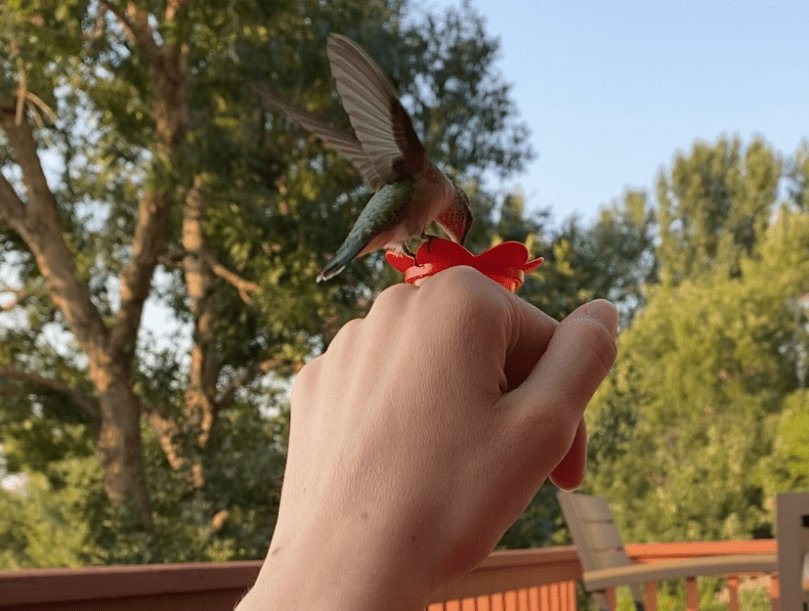
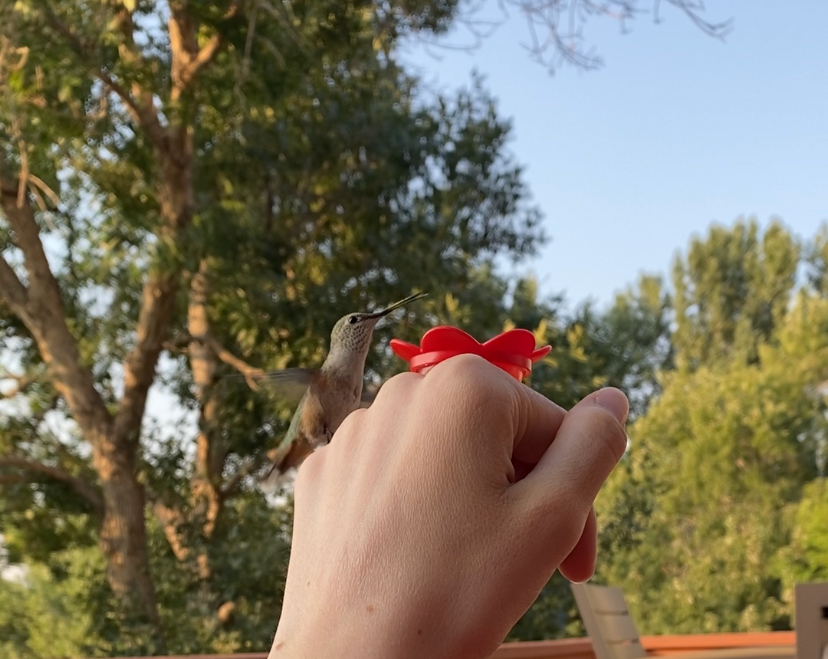
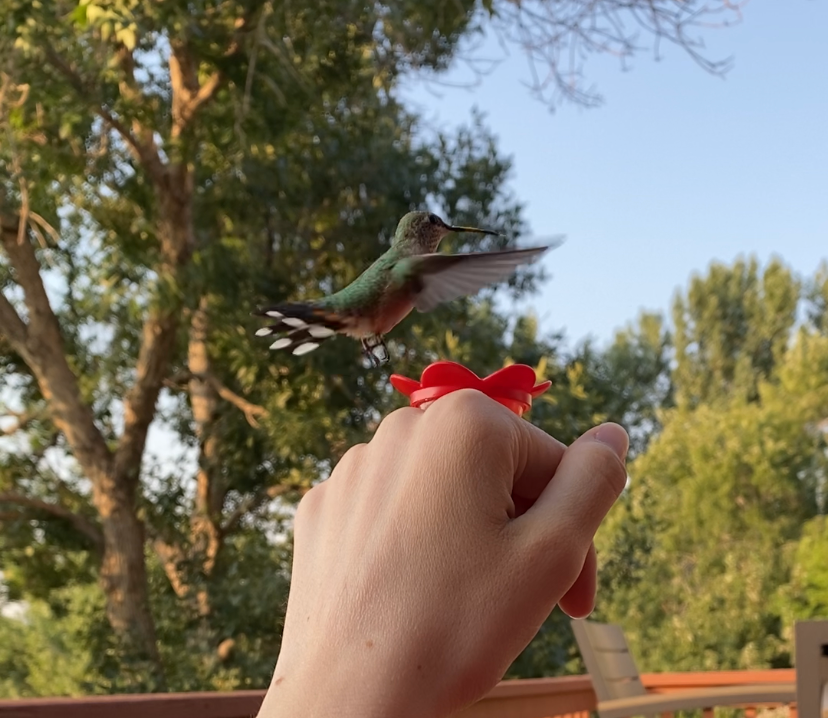
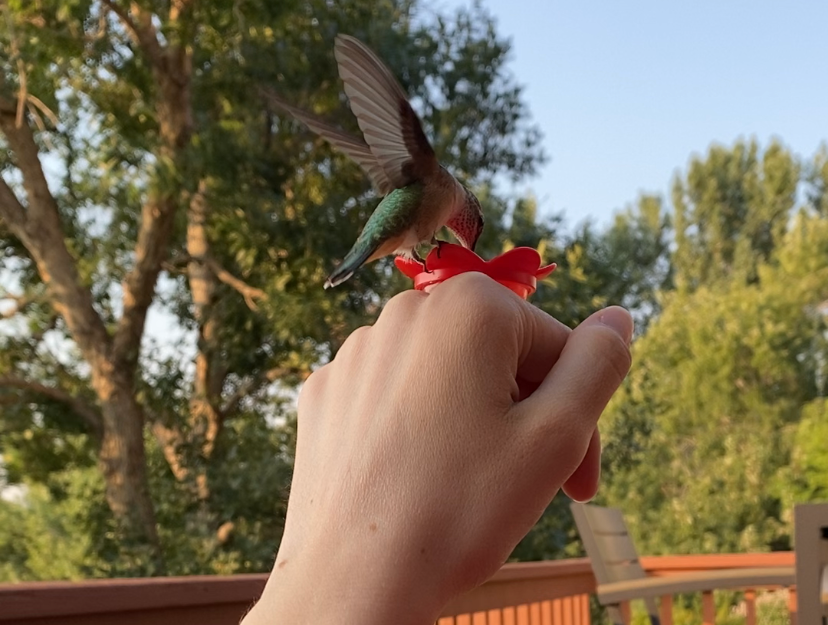
A metallic green hummingbird perched on a red plastic flower ring being worn by a hand held in the air with fingers bent.

Enjoying Good Days with Treatment-Resistant Depression

When I have good days with depression, it feels like coming out of a long, dark winter to find that the Earth is still spinning. In all of its complexities, the rhythms of life kept going on around me. Maybe I feel lighter, I laugh more, or I once again find enjoyment in my interests. Then, because I tend towards perfectionism and outrageous expectations, I throw myself into working on various tasks that have gotten out of hand in my mental absence.

Frantic Feelings of “Wasted” Time

Take, for instance, laundry. I tend to do absolutely none of it when I’m struggling with depression, which leaves me wearing dirty clothes or reaching into the recesses of my closet for that neglected, ill-fitting shirt I should just get rid of. Then, a good day comes along. And I have to do ALL of the laundry. In ONE day. Don’t get me wrong – I do enjoy the sense of satisfaction when this happens. It’s nice to finally have the motivation to do something and be rewarded with the feeling of a job well done. But I can’t help but notice the faintly frantic sensation I find in the background.

From experience, I know that my depression is very stubborn. If it lets up for a day or two or even a few weeks, it could be back soon. I’m like a squirrel hiding nuts for winter, except I’m vacuuming my floor and doing all my laundry because my treatment-resistant depression could come back at any moment. It’s best to be prepared for whatever is ahead.

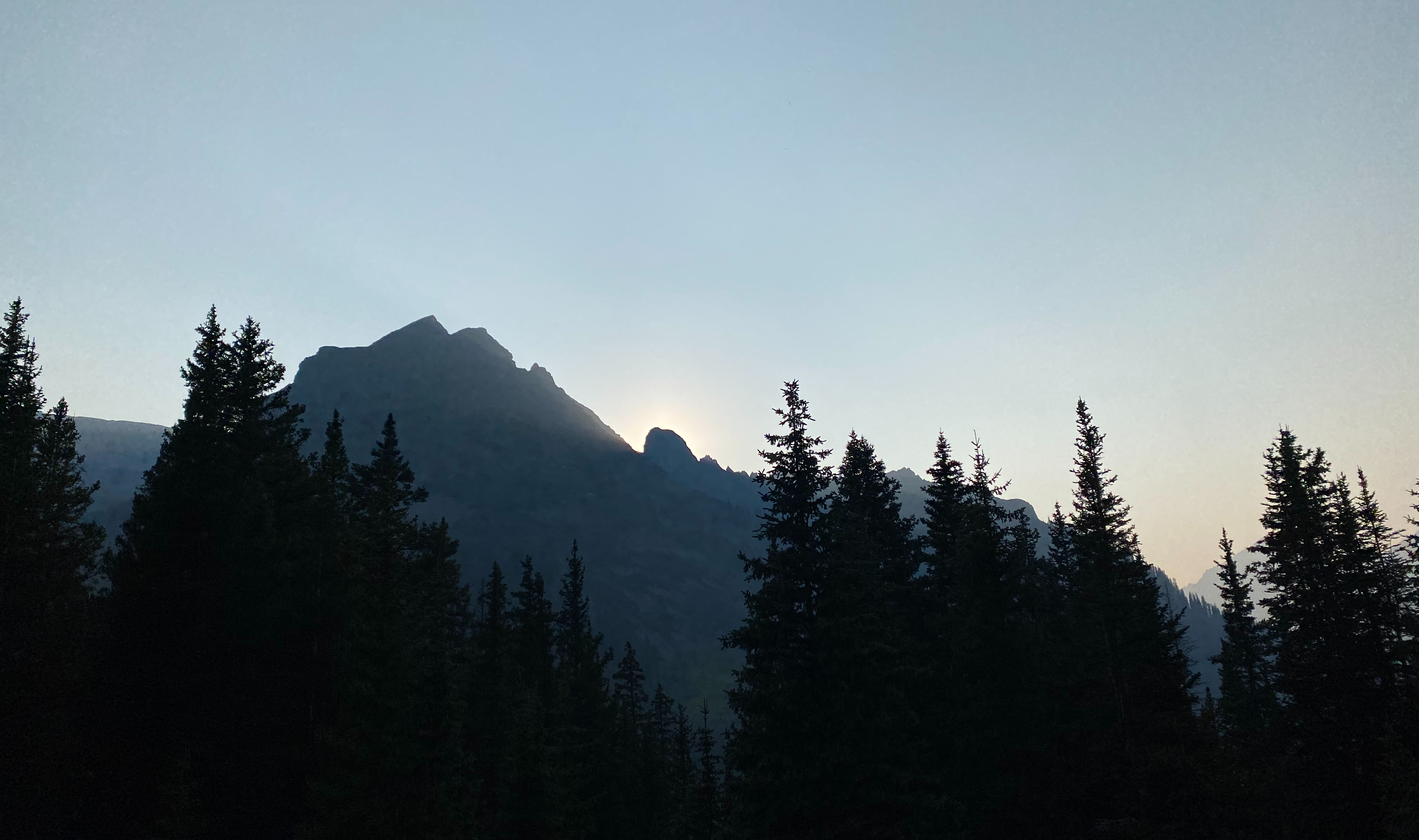
A backlit mountain with dark pine trees in the foreground.

Being Mindful of the Good – Despite Depression

I’m always working on noticing when things don’t suck. When a good day with depression comes along, it’s nice to get things done, yes. But it’s also nice to just appreciate the little gems of each day. Dappled light on November’s yellow leaves, watching Stella roll over for belly rubs from the kids down the street, the aroma of coffee brewing in the early hours of the morning – these small moments that slip by me when I’m depressed are important because they demonstrate that there is good in the world to be appreciated.

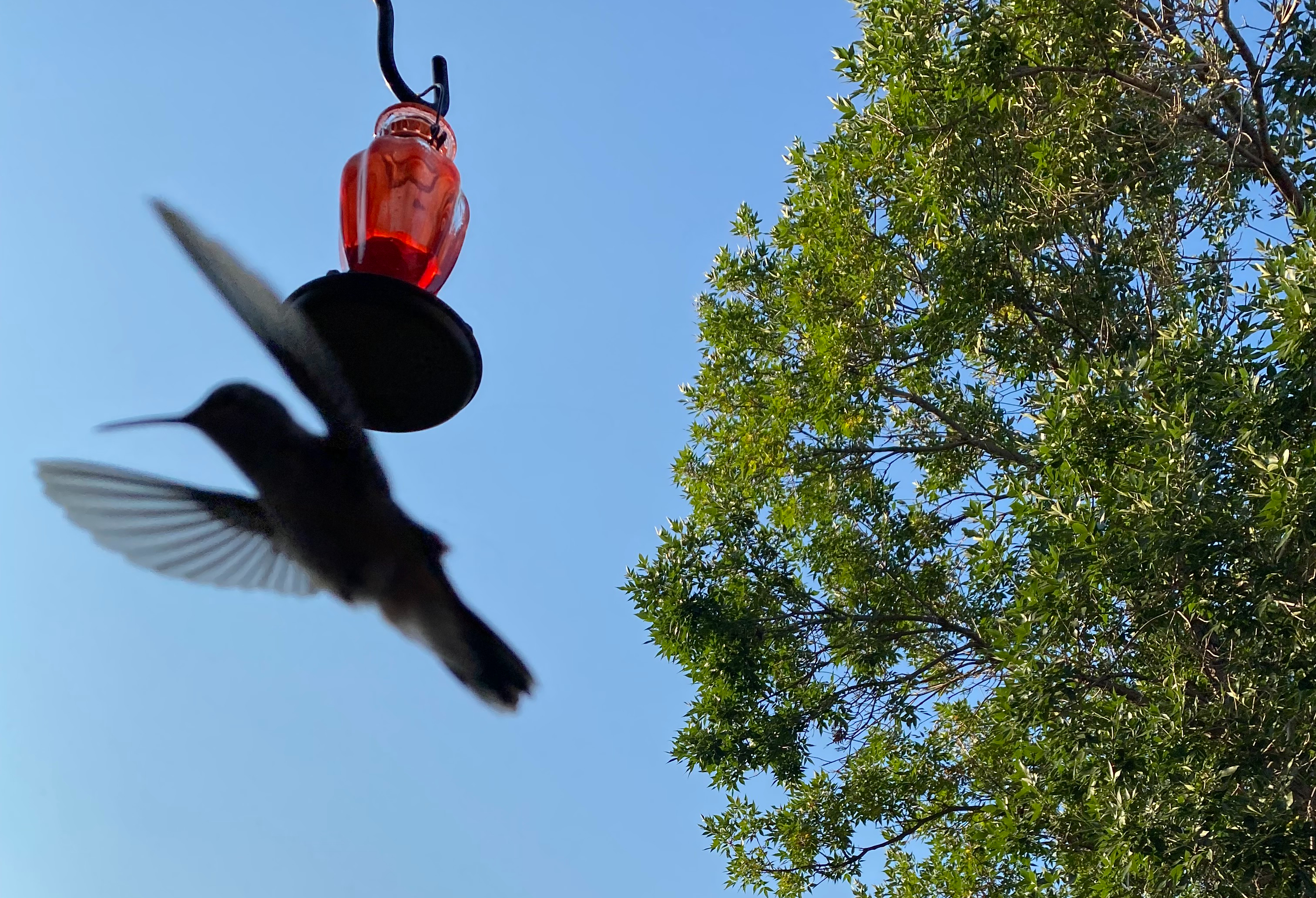
The silhouette of a hummingbird in flight near a green tree and a red hummingbird feeder

About a month ago, I started sitting outside in the mornings with a hummingbird ring feeder. I’d just sit very still, sipping my coffee and listening to the hummingbirds zip around in the neighborhood. One day, a brave little bird came by to check out the nectar in my fake flower ring. It hovered nearby for a second before moving in and landing its tiny feet on the edge of the flower. I could feel the gusts of wind from its wings on the back of my hand. It stayed for about 30 seconds, drinking the nectar and alternately taking off and landing again before moving off into the early-morning air. It was legitimately one of the coolest things that’s ever happened in my vicinity.

The hummingbirds have migrated south by now, but that experience has stayed with me and reminded me of the value of being still. Depressed or not, taking time to observe the world around me almost always gives me a positive feeling. It’s good to stop and smell the roses, as they say. Or maybe they should say, “It’s good to stop and let a tiny bird drink sugar water out of a gaudy piece of jewelry on your finger.”

Depression Recovery isn’t Perfect

Instead of preparing every item of clothing I own for the possible approaching depression, I’d like to store away moments of gratitude. I’m trying to let go of the fear that my good days with depression will inevitably end. I’ll have to loosen my grip on perfectionism – do a little of what needs to be done, but save space for noticing the delightful morsels of a good day. I know that I rarely remember them in the same light when I’m depressed, but perhaps having an entire hollow tree filled to the brim with pleasant moments will convince me that if past me thought they were worth storing away for winter, future me will, too.

Red maple leaves growing on tall branches against a white background

How Psoriasis Affects My Mental Health

I recently took my first dose of Stelara, an injectable medication known as a “biologic” that treats, among other things, psoriasis. I’m so excited, I could pop.

What is Psoriasis?

Psoriasis is an extremely visible autoimmune condition which results in red, inflamed skin with scaly white flakes. My immune system is attacking my skin, causing the affected skin cells to turn over at a dramatically accelerated rate (7-10 times faster than healthy skin!) The severity of my psoriasis can be seen not only from the outside, but from the inside as well. My bloodwork shows evidence of systemic inflammation, which puts me at risk of developing other illnesses, including psoriatic arthritis.

Treatment with Topicals

For the past 15 years, I’ve tried to make topical creams, ointments, solutions, and for a while, UV light treatments, work for me. Using topical treatments properly requires that you follow a schedule of twice-a-day application for two weeks on, two weeks off in various combinations of steroids, vitamin D derivatives, and whatever other prescriptions you’ve been given. It takes me about 30-40 minutes each time.

After about a week, I see definite improvement, which used to be incredibly exciting but is now a pointless exercise in bitter disappointment. As soon as I begin the recommended two-week steroid-free period or simply run out of motivation, my skin begins the infuriating cycle all over again, often worse than the last time. I have never had a period of complete remission.

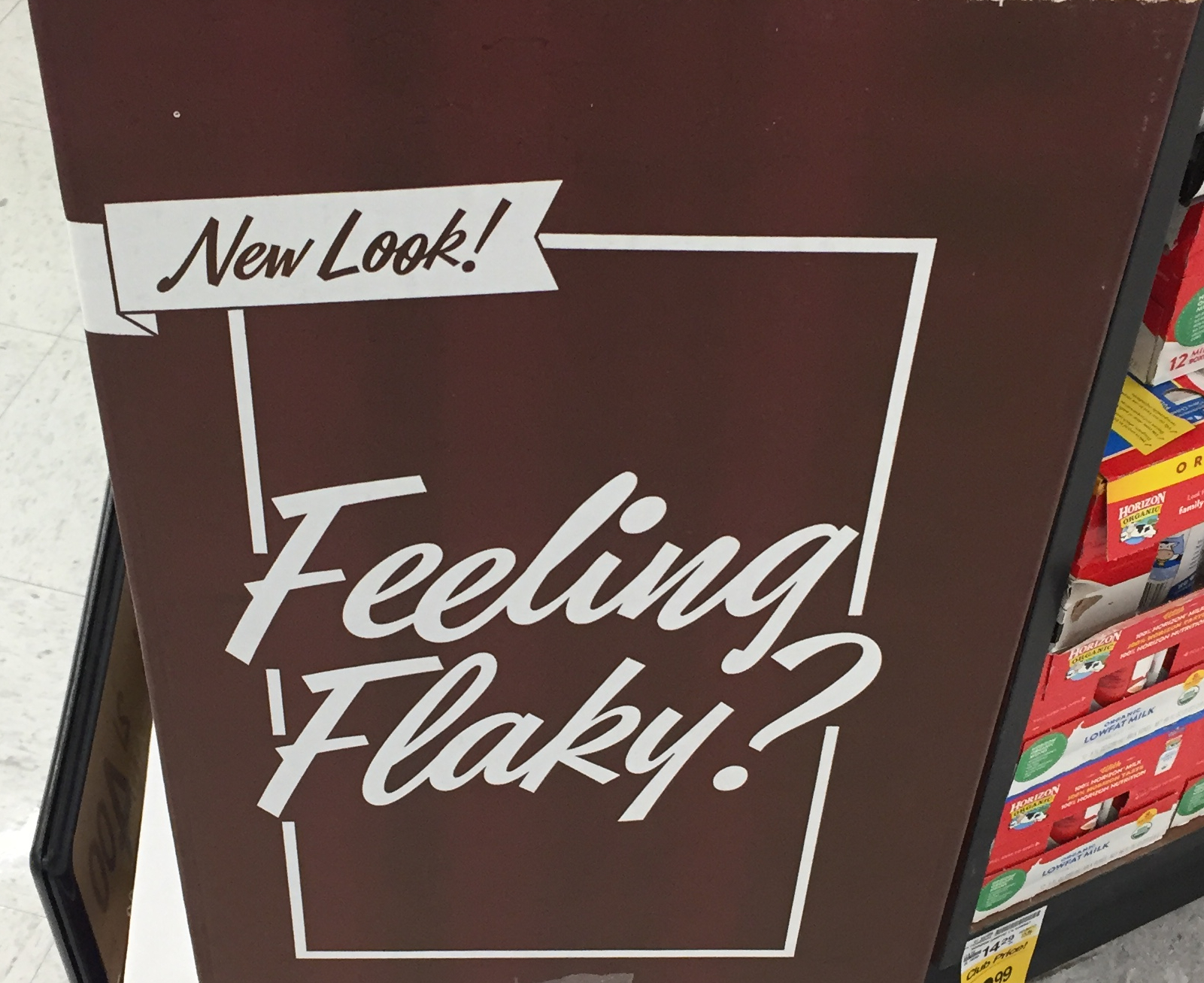
A brown cardboard sign with white letters in cursive that say "feeling flaky?"
Yes, yes I am. (Spotted in a Safeway. Puff pastry, I think.)

Treatment with Biologics

I reached a tipping point. I don’t know what exactly pushed me over the edge, but I know that I can’t take it anymore. My psoriasis is “severe,” meaning at least 50% of my body’s surface area is affected. Topical treatments aren’t enough, so my dermatologist and I decided that Stelara is the best option for me.

Biologics like Stelara function by suppressing the immune system, which puts you at risk of infections and certain cancers, but the newer biologics are more targeted than older ones. They attempt to treat only the parts of the immune pathways that are going wrong, which reduces the impact on other immune system functions.

Take That, Psoriasis

It makes me anxious to include photos of myself in this post, but I’m tired of trying to navigate the steps I take to hide my skin. Do I dare wear something with an open back? Should I stick to shirts that go up to my neck? Better avoid dark colors so the flakes aren’t obvious.

Psoriasis has been squashing the self-confidence out of me since I was 10 years old. Knowing that I’ll likely deal with psoriasis in one way or another for the rest of my life, I’ve worked to derive my confidence from who I am rather than how I look, but it’s an internal conflict that I’ve never completely solved. I desperately want Stelara to work for me. It’s exhausting to be, on some level, constantly self-conscious. I can’t fully imagine how much of a relief it would be to put that behind me, but I also don’t want to forever be embarrassed about these years of my life. I don’t want psoriasis to win.

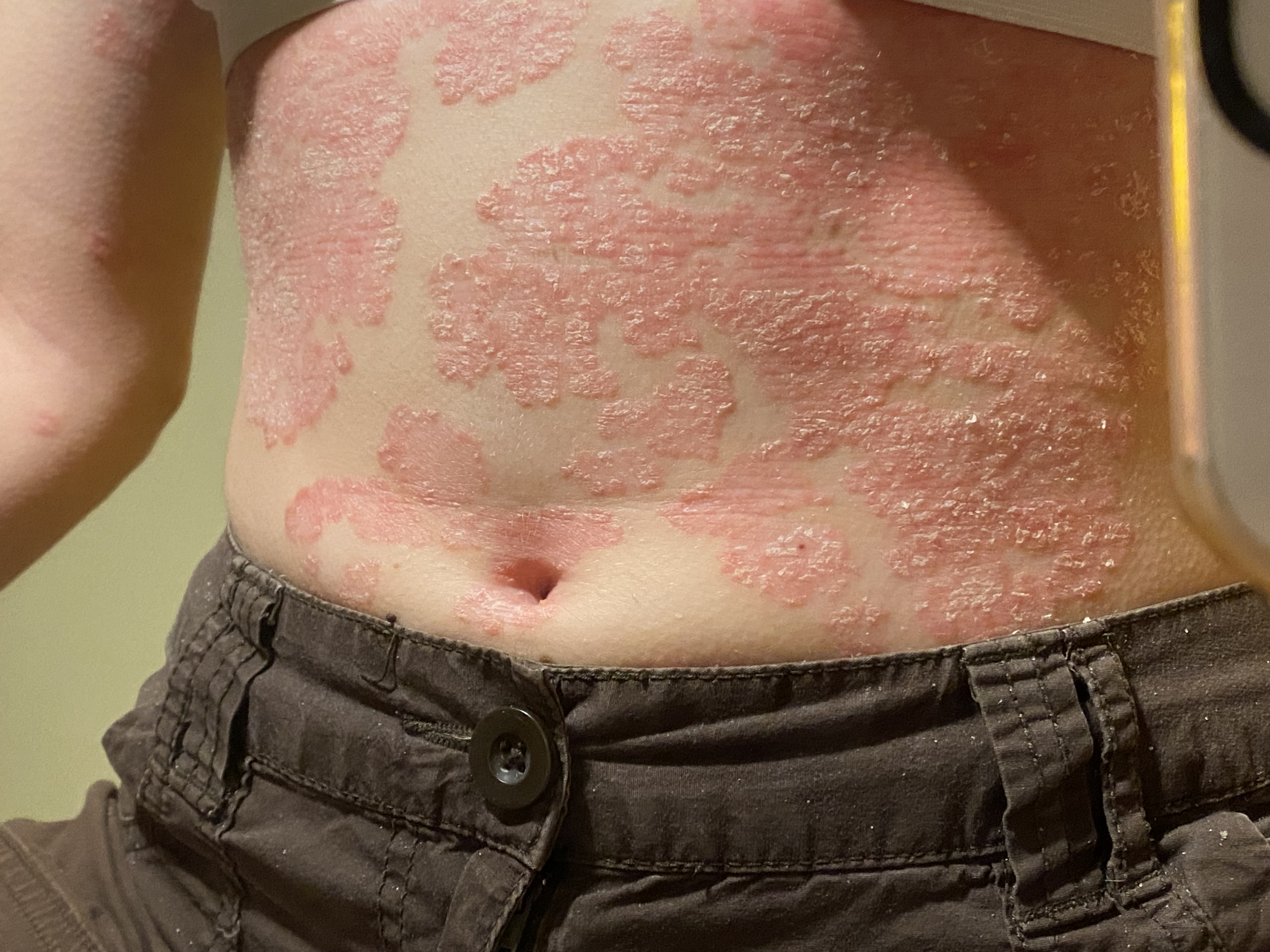
This is what I look like, and if you look like this too, know that you don’t have to fit societal standards to be confident in the skin you have.

A person's torso with large psoriasis plaques.

Living with Psoriasis and Self-Criticism


[In this post, I describe my feelings about life with severe psoriasis. I do not want readers who have skin conditions or any physical differences to be hurt by my self-judgments and insecurities. My words are about my experience only.]


It’s taken me so long to come around to the idea of taking a biologic because I blamed myself for not being more consistent with topical treatments. I thought that if I could just be more diligent, my psoriasis wouldn’t be so bad.

It was like boiling a frog; maybe I could have kept it at bay in the beginning, but it just got worse and worse. Eventually, I was so accustomed to it and so convinced that its severity was my fault that I chose to stay in the scalding water rather than get a lift out on a ladle. I also do this with my mental health; I must not be trying hard enough. If I just keep at it, I won’t need to accept more help. If that sounds completely unreasonable, it is – but it’s hard to change thought patterns like that.

Bottle it Up (don’t, though)

I’m 25 now, and my psoriasis is so severe and I’m so disillusioned when it comes to making a dent with topicals that I only use them “as needed” (in my view of “need”). When just twisting at the waist splits the plaques down to raw, bleeding skin and I can’t stand the torture of having unreachable itches in my ear canals, my motivation is briefly renewed. When it inevitably worsens again and I can’t manage it, I’m hard on myself for letting it happen then and all the times that came before. So in order to deal with despair over what I came to see as a failure to fix myself, I became an expert at avoiding the emotions of it. If I let myself fall apart every time I thought about it, I’d never move. It’s far more comfortable to disconnect.

The reality of living every day in this burning, itching skin is too horrible to acknowledge all the time. Instead, I bottle it up until it explodes. I can go long stretches of time feeling like I genuinely don’t care – as long as I cover it with my curated wardrobe of acceptable garments and don’t have too much psoriasis on my face, I’m really quite good at pushing it out of my mind.

But eventually, it’s like I catch a glimpse of it from a stranger’s perspective and am knocked over by the pure shock of it. It hits me suddenly and I break down into tears and fury and grief over how it holds me back and the hopelessness that it could be forever. I’m suddenly overwhelmed by how disgusting and ugly I feel – judgements that I try to keep beneath the surface, but which sometimes bubble up painfully. Then, I gather myself up, shove it all back down, and tell myself that self-pity is pointless. I basically close the Faulty Logic Door on the Emotional Vault until the next time it explodes. Super healthy.

Prioritizing Experience over Appearance

Despite the harsh messages I send to myself about my appearance, I still want to move through the world unhindered by social stigma. Lately, I’ve been pushing myself to wear clothes that make me a tad anxious and, with the exception of swimming, I never let it stop me from participating in things. I’m always worried that people will be rude or hurtful, but that’s rare and stems from ignorance, not malice. Some people stare at me and I occasionally get well-meaning but unsolicited and questionable advice from strangers, but I’ve found that the vast majority of people don’t even bat an eye.

Facial Psoriasis

By virtue of being literally on the face I present to the world, facial psoriasis is particularly hard to deal with. Everyone sees it and has thoughts about it that I’m not privy to. My fears that those thoughts might be judgmental and mean are hard to set aside.

I decided a long time ago that wearing makeup to cover my psoriasis was not worth it. Besides the issues of time, money, and probable skin irritation of heavy-duty foundation and concealer, my desire to fit in and feel confident bumps up against my belief that it shouldn’t matter. It seems like a step too far for me, but for others, it makes a huge difference in their confidence, so, to each their own.

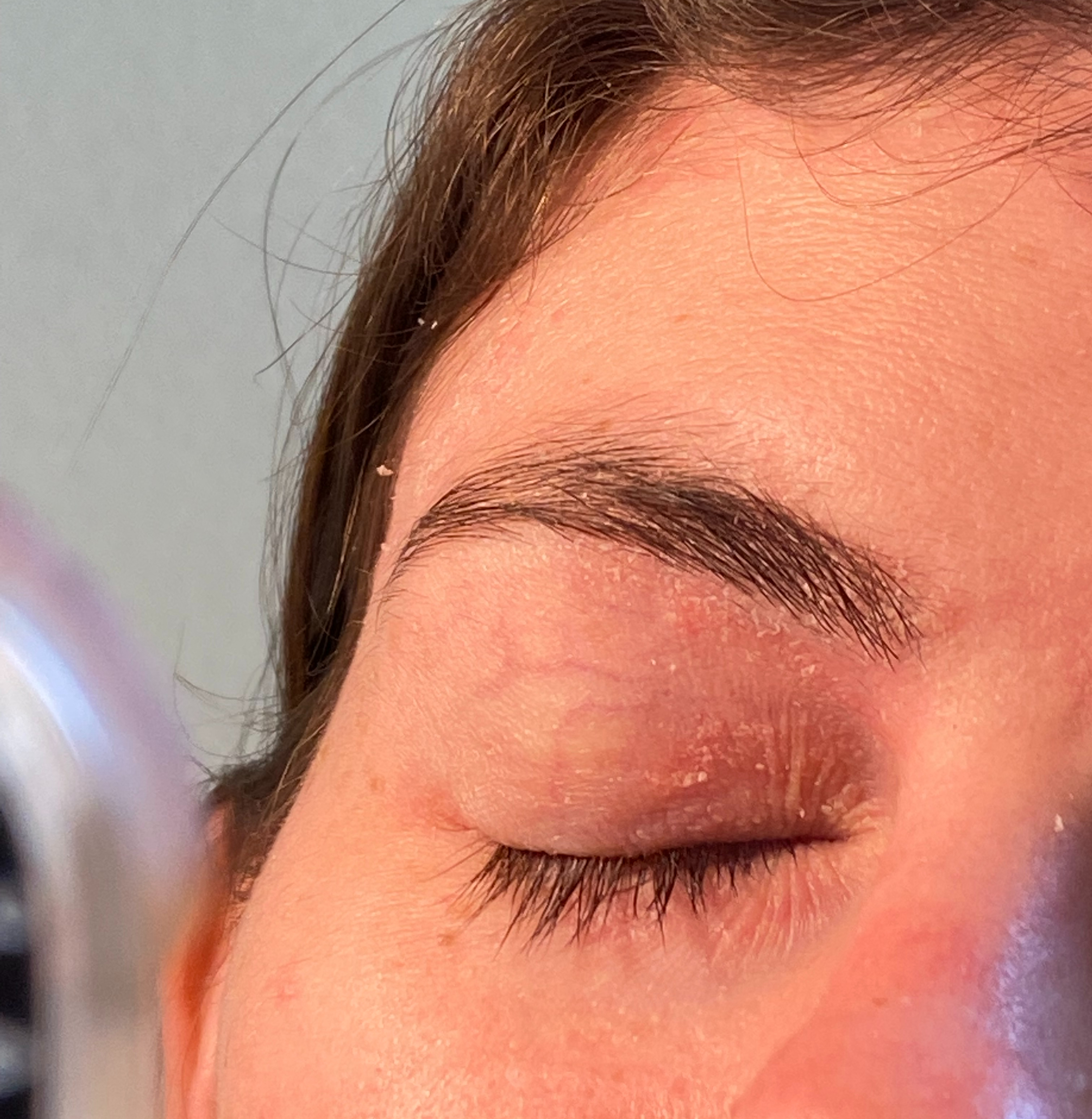
Mild topical steroids and other prescription creams do improve my facial psoriasis considerably, but only for as long as I’m using them, which is sparingly. The skin on your face is delicate, and the decade and a half that I’ve spent using topicals makes me reluctant to risk the side effects of overuse or – God forbid – getting them in my eyes. That’s tricky for me, because I have psoriasis on my eyelids.

On the left is how I wake up during a period of average/low inflammation. With very gentle soap, some careful flake removal, and unscented moisturizer, I can sometimes go from that to the righthand photo without using a prescription cream, which I save for really terrible days. I tend to have wonky, uneven eyelashes because, during bad flares, psoriasis spreads along my lash line and causes sections of eyelashes to fall out.

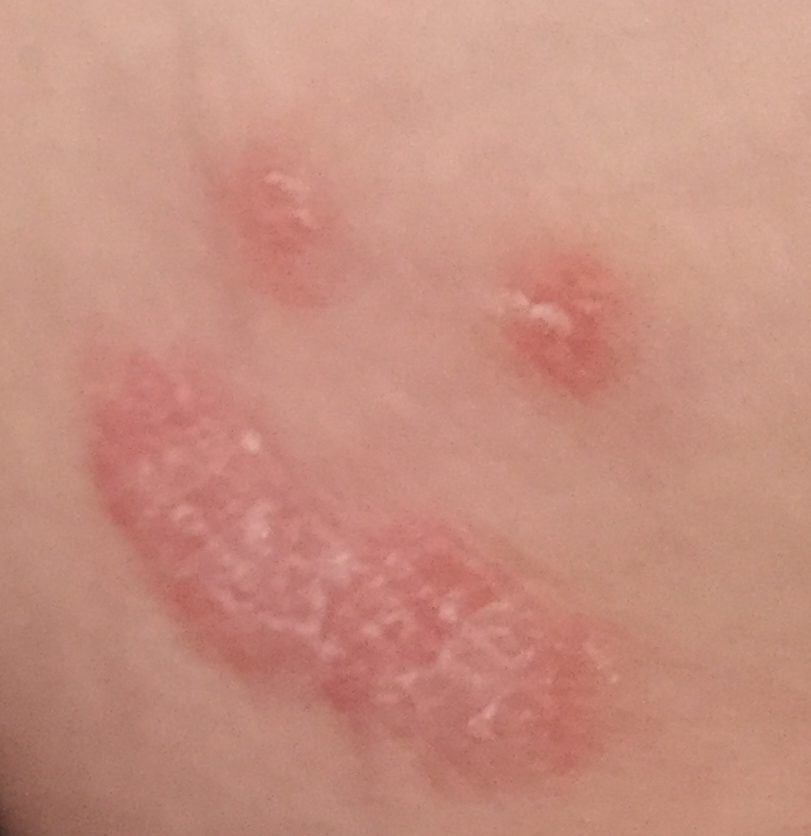
A psoriasis plaque that looks like a smiley face
A different kind of “facial” psoriasis

Interference and Feedback Between Psoriasis and Mental Health

Stress is a common trigger of psoriasis, which is hard to fix because having psoriasis is pretty stressful. As my mental health waxes and wanes, my psoriasis follows suit in an awful feedback loop. The stress of depression makes my psoriasis flare, and the hit to my self-esteem certainly doesn’t do good things for my depression.

My mental health definitely gets in my way when it comes to skincare. Even if I didn’t have depression, I probably wouldn’t be able to keep up with the treatment routine, but when depression makes getting out of bed and changing my clothes difficult, you can bet that I’m not spending an hour and 20 minutes per day applying goop to the skin I hate looking at.

Overwhelm and Support

Depression and psoriasis are both chronic and painful, and they both take a lot of work to manage. Metaphorically, the overwhelmingly hopeless experience of depression feels like trying to beat back a chronic rash that covers your whole body using nothing but a little tube of ointment. Each is a monumental effort that seems to never end. I’ve learned that tackling difficult, stigmatized issues gets a little easier if you don’t do it alone.

Balancing Impacts

Lithium, which treats my depression and suicidal thoughts, has the unfortunate side effect of causing or worsening psoriasis. (Is that a cruel joke, or what?) I’m not sure how much of an impact it’s had, but I suspect it’s contributed somewhat to the progression of my psoriasis.

[Left: After a dedicated effort to clear my skin in time for a wedding in 2018. It was brief but wonderful. Right: A terrible flare in the cursed year that was 2020.]

Starting Stelara

Any time I spent bullying myself about my skin and my willpower was too long. This change is not a failure, but a success in finally allowing myself to accept help.

Stelara is a momentous step for me; I’ll admit it’s filled with a fair amount of bitterness about how many years I’ve spent suffering, but also acceptance, excitement, and hope.

Categories

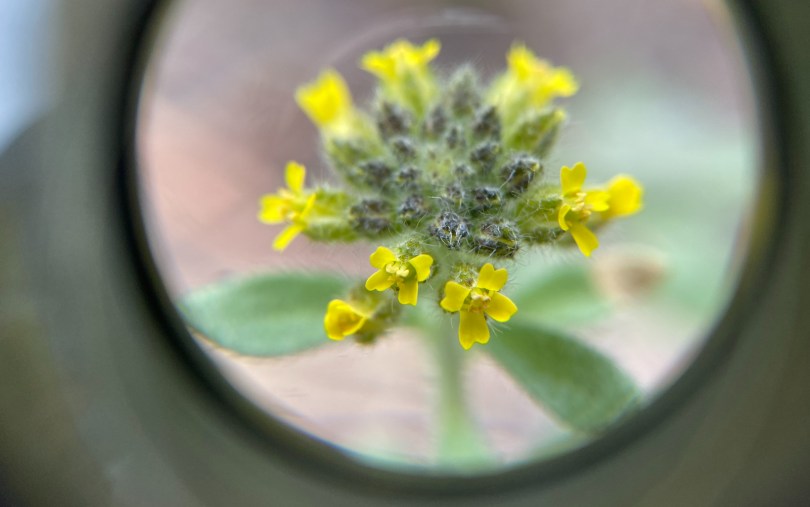
A close-up image through a magnifying glass of a plant with small yellow flowers

A Strange Effect: The Ketamine Chronicles (Part 35)

The last time I had a ketamine infusion, my experience was dramatically bizarre. I have reached the upper limit of what is comfortable for me, so the infusion itself was intensely immersive. More unusual, though, were the days following the infusion. In hindsight, they were a touch disturbing.

Possible Mania After My August Ketamine Infusion

For a few days after the infusion, I frequently felt detached from myself, as if I were simply occupying another person’s body. Looking at myself in the mirror was unsettling, as my reflection was subtly unfamiliar to me. I slept very little – just a few short hours each night – and yet felt perfectly energetic and motivated. I busied myself with tasks that would otherwise have quickly lost my interest. Being still resulted in a pronounced worsening of my tremor and a building pressure to move. Similar reactions had been happening after ketamine ever since I started taking Emsam, an MAOI antidepressant. They started out mild and became more intense with subsequent infusions, especially after I increased my dose of Emsam. Thus, the last infusion felt far more impactful than its predecessors.

There were small black dots that began in the periphery of my vision but soon moved of their own accord across the space in front of me. They traveled incredibly quickly and in a manner not unlike insects – a creepy scuttling that startled me every time. It felt a little like the kind of jumpy sleep deprivation that results in a tense awareness of your surroundings, except instead of momentary startle reactions, it progressed into actual visual hallucinations. I somehow felt alert and productive, while also experiencing an odd disorientation that made time and recent memories disappear out of reach.

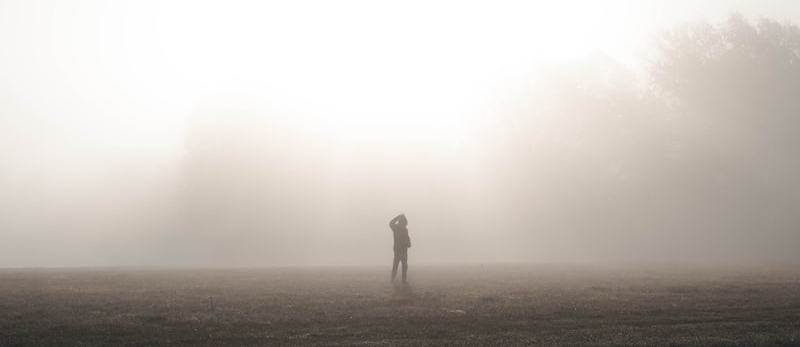
The silhouette of a person standing in a field in a thick fog.
Dimitar Donovski, Unsplash

If you’re considering ketamine infusions or are already getting them, I should stress that my odd reaction to the last infusion was mysterious and apparently unrecognized as a side effect. None of the mental health professionals I see had ever heard of it happening. For me, that means an unanswered question that makes me feel uneasy. For others, I hope that the rarity of what I’ve described is comforting.

The Following Days

When I came out of the strange state of what my therapist called “miniature mania,” I was initially unbothered by what had happened. But as I considered it in the following week, I became slightly disturbed by it. In the moment, I was uncomfortable due to the jittery, giddy feeling I had, but I felt otherwise like myself. Looking back, I’m not sure why I didn’t reach out to my doctor. It felt like I was in a fog that I didn’t know was there.

After a few days, the energy that the infusion gave me ended abruptly and I could feel myself sinking rapidly back into depression. My doctor isn’t sure why that was the case; even though the feeling of being impaired by the ketamine high was somewhat uncomfortable, it seems logical that its extension into the following days should have boosted my mood, not caused it to worsen. In any case, we decided that the combination of Emsam and ketamine was likely the factor to blame for the sudden decline of my mental health. Yesterday’s infusion was adjusted to a lower dose of ketamine and a planned reduction of my Emsam dose. We hoped that they had just been too much when combined at the levels of the last ketamine infusion.

Recollections of a Ketamine Infusion

The infusion itself was more comfortable this time, although it still pushed my limit. During ketamine infusions, my hearing becomes so sensitive that even the lowest volume of my music is too loud. The pump next to me chugs away, adding to the ambient noise in the room. Without thinking about it, I often turn the volume down on my phone, not realizing that I actually muted it until some time later when I start searching for the music that isn’t there. I haven’t been able to remember my infusions for the past couple of months, which, while not the goal of the treatment, was frustrating and unsettling. This time, I have much clearer memories of what I saw and felt during my infusion.

Familiar Water

A sunny landscape with a large blue lake, green vegetation, mountains, and a blue sky with fluffy white clouds
Photographs are my own unless otherwise attributed

Once again, I was visited by deep water. I started out by observing a landscape from above. There were trees and grasses waving in the breeze and woodland creatures going about their daily lives. I soon noticed, however, that I was not looking at a terrestrial scene, but rather an underwater ecosystem that bustled with aquatic activity. Fish darted around swaying seaweed and hid among rocky crevices. I watched for a few moments (or maybe much longer – who’s to say?) and then moved on to a different scene.

The other images of water are jumbled in my memory, but I remember being next to a tall building, looking up to the top. Water flowed over me and covered me up so that my view of the building was distorted by light and water. It carried a calm peace because it was a relief to stop straining to see the top. There was another, similar scene in which I was slowly submerged in water while looking up at the sky. I have another fuzzy recollection of being buffeted by waves until they overtook me and I was deep underwater, pressed on by the water on all sides of me.

A blue lake with mountains in the background and a dark sky at night

Stretching and Tangling

My other memories of what I saw and felt were centered around layers of earth-toned colors that I understood to represent landscapes. The layers stretched out like bubble gum, getting thinner and thinner while I felt the pulling as well, as if I were connected to the layers myself. At other times, I was tangled up in green vines, hopelessly lost in their confusing loops and knots.

Two natural pillars of red rock at Garden of the Gods in Colorado Springs, Colorado

Layers of Abstraction

In between these scenes, I found myself being sucked into abstract, moving visions of colors and shapes. I felt completely absent at times, as if my body had completely disappeared. During ketamine infusions, I occasionally realize how strange it is to lose my attachment to reality. This time, I frequently forgot what was going on and would reach the end of a song or a scene in my mind and begin to wonder how long I had been immersed in my own imagination to the exclusion of all else. It was like a whirlpool, pulling me in after I got just a split second of clarity.

Tethering Myself to Reality

I experimented this time with the addition of a worry stone. I held it in my right hand so that I could move my thumb in circles around the center. I found it helpful in bringing myself back to the room for a brief moment, which offsets the overwhelming feeling of drifting away into the bizarre soup of my internal universe, never to be seen again.

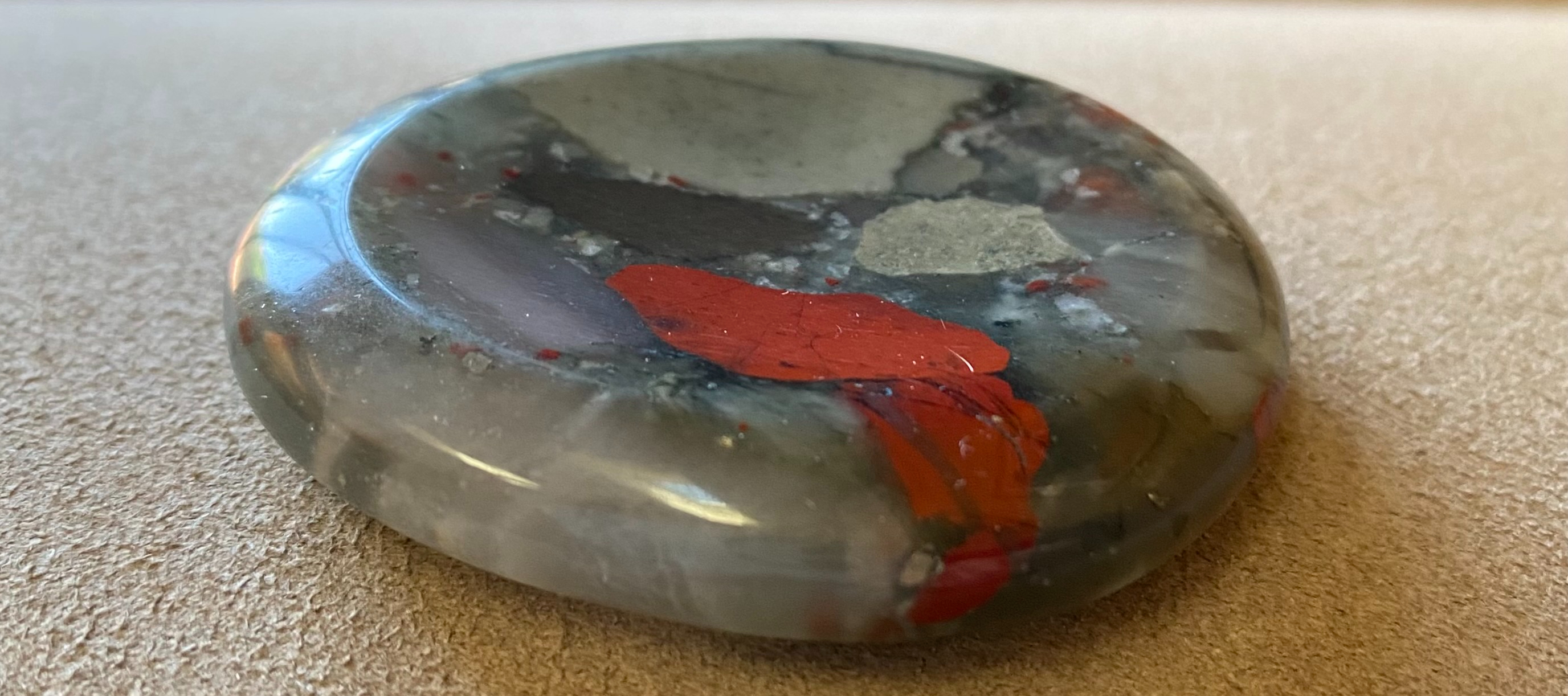
A beautiful red and grey worry stone with a concave shape

Although I typically dislike not being in control of myself, the all-encompassing embrace of ketamine is hard to shrug off. I’m constantly in conflict with myself because on one hand, I’m uneasy about letting go of the threads that connect me to the real world. On the other hand, I feel so far away from the boundary between my mind and the tangible world that it seems too late to fight my way out. In those moments, I’m fairly content to never come back.

Going Within My Consciousness

Part of why these ketamine infusions are so intense is because there seems to be no space between my sense of self and what I’m experiencing. I watch it happen while being combined with it, my own essence bleeding into the experience. The visions exist in a realistic way in my mind, and I feel that not only am I observing it, I also am it. I don’t necessarily feel like I’ve traveled somewhere else during a ketamine infusion but rather descended into the very center of my being. Thus, the images seem to have always existed, with me now sinking inside them. It seems that I’m nearly undistinguishable from them.

An abstract swirl of blue and green paint
Joel Philipe, Unsplash

Insomnia Again

So far, I feel somewhat normal, except for a few remaining symptoms, including the unbeatable insomnia. I fell asleep after taking my nightly Trazodone, but even that couldn’t overpower the alertness for long. I woke up around 1:30 AM, made some tea, and sat down to document my memories of yesterday’s ketamine infusion. I managed to get a few more hours of sleep after staying up for a while. This morning, I do feel an inkling of the uncomfortable giddiness which flips back and forth with anxiety and dominates my memory of the days following the previous infusion. I also keep forgetting what I set out to do, becoming easily distracted with other tasks. It’s still a bit difficult to move my arms and hands without conscious thought; they get rather stuck if I leave them alone for too long, and my attempts to do some fine motor movements take a couple of seconds to recalibrate. Overall, the reaction seems to be more mild than the last time, which is reassuring. Hopefully, this one will have more of a positive effect on my mood than the last one did. Fingers crossed.

If you’d like to read more about my experience with ketamine for depression, start from the beginning of The Ketamine Chronicles or visit the archives. Click here for mobile-optimized archives of The Ketamine Chronicles.

a rushing river with white rapids and pine trees on the banks

Turmoil

Well, my family is going through some big changes, I left my job, I’m doubting my medication choices, and I have no idea how to write about any of it. I want this blog to be helpful to other people, so I try to at least be informative and destigmatize conversations about mental health by being open with you. Over the last few months, though, I just haven’t known how to do that.

In all of the turmoil with my family, I’ve done a lot of thinking about growing up, boundaries, and how to deal with a changing perspective. The prospect of writing about it has been bumbling around in my brain, but I haven’t yet figured out how to write about it in a generic way so as to respect my family’s privacy. When I think about writing about other things like my job search or my depression, I don’t know how not to simply complain about them – how to add something more valuable. I miss writing on here, but it’s so hard to restart that I’ve been overwhelmed at the thought of trying.

For honesty’s sake: I’ve been struggling with my mood. My last ketamine infusion was not helpful, I secretly stopped taking my medicine for a bit (don’t do that), and I’m awash in feelings about finding employment – being a burden, feeling underprepared and incapable, the pressure of time, the stress of having no income, etc.

Maybe this short post will help me break through the inertia and get moving again. I have an old draft that will soon be relevant due to an upcoming positive change(!!!), so I might publish that soon. Ketamine is tomorrow, and that will also be altered, so I might have something to share about that in the coming days. Thanks for sticking around or for reading for the first time; I appreciate all of it and I hope that I’ll get back into the swing of things here going forward.

Genevieve ❤