An abstract blue and red painting with wide brush strokes and vertical red lines

What Noise Sounds Like in IV Ketamine Treatment: The Ketamine Chronicles (Part 14)

Yesterday, I had another ketamine infusion for my treatment-resistant depression. It had been almost five weeks since my previous infusion, and while three weeks was our best guess for my interval, it seems like now I can actually go something like four weeks before really noticing it wearing off. I’m hoping that if I keep doing the behavioral things that help my depression (running, volunteering, therapy, etc.), I can at least maintain this amount of time between IV ketamine treatment appointments.

Linguistic Confusion During IV Ketamine Treatment for Depression

Most of my ketamine infusions have been visually focused, and usually what stands out to me are snapshots of images and colors. However, some of my ketamine infusions are much more auditory-heavy. Throughout it, conversations in the hallway and the other room sounded loud and close, and I felt as if I were being crowded around in the room I was in. Strangely, conversations outside the room sounded loud but were completely unintelligible. The boundaries of words and sentences disappeared and I was washed in streams of unending verbal noise. Nothing made sense, but I still strained to understand. The sounds of English words were familiar, but I just couldn’t parse them enough to grasp their meaning.

A messy spread of wooden typography letters in dark and light wood.
Photo by Raphael Schaller on Unsplash

This theme of linguistic confusion stretched throughout the infusion. I remember a filing cabinet stuffed with folders that I couldn’t read. The letters were there; I could pick them out, but putting them together and reading them as words eluded me. Later, messy papers with gibberish words filled my internal vision. I felt confused, I was upsidedown, my arm with the IV ached. The room seemed loud, and I saw stampedes of paper animals painted with pastel watercolors. They piled up and tumbled around me, threatening to knock me over and crush me. The fan in the room added noise that pushed it all to an intolerable volume, so I asked Erin to turn it off. I got ready to speak, opened my mouth, and seemed to just think the words out loud.

Did I Say That?

I notice this feeling often during my IV ketamine treatments, and it’s interesting to note how little deliberate control over our mouths’ movements we need in order to make coherent sounds. All I do is form an intention to say something, and it just…happens. It feels a little like I’m inhabiting my body separately from its direct controls.

A distorted glass with yellow and blue fractals approximating the experience of ketamine for depression
Photo by Jakob Owens on Unsplash

Ketamine is a dissociative anesthetic, meaning it creates a state of perceived separation from the self. Altered senses and seemingly “out-of-body” experiences are common when receiving treatments of ketamine for mental health conditions like depression and PTSD. In my experience, I can still talk during a ketamine infusion, but it feels like someone else is doing the talking.

In any case, my request apparently worked, as Erin then got up and switched the fan off. That lowered the ambient volume enough that I could focus again on my music.

I remember there being more visual scenes after that, but I don’t recall them very well. The only one I have much memory of is a scene set in a grocery store with a broken jam jar, shards of glass glinting under the fluorescent lights, and wine-red jam splattered on the linoleum.

IV Ketamine Treatment for Depression in Combination with Other Strategies

The rest of the day is a blur. I slept off and on, interrupted by Stella periodically. It wasn’t until about 6 P.M. that I started to feel more like a person, but I was still glad to crawl into bed at night and sink into sleep. This morning, I’m tired. I’d like nothing more than to go back to bed for the rest of the day, but I know it’s important to get myself up and moving. I do best with routine, so in the interest of helping my brain repair itself through the effects of ketamine therapy, I’ve already had coffee and been to the dog park. So far, so good.

If you’d like to read more about my experience with ketamine for depression, start from the beginning of The Ketamine Chronicles or visit the archives. Click here for mobile-optimized archives of The Ketamine Chronicles.


A hand with red nail polish holding a live shrimp in the air by the ocean

A Tower of Shrimp and Absurdity in IV Ketamine Therapy: The Ketamine Chronicles (Part 13)

Having IV ketamine therapy for treatment-resistant depression is always a fascinating experience. This edition of The Ketamine Chronicles features a crime scene, a tower of shrimp, and a painting of a carnivorous giraffe. Folks, I couldn’t make this stuff up if I tried.

I remember feeling the ketamine almost immediately, and I closed my eyes as I lost track of my limbs. The music I was listening to was a lively classical piece, and my mind created intersecting lines to the notes that formed long evolutionary trees. There were noises around me that distracted me at first; something that sounded like hammering from the floor above us, then quiet conversation in the room, and a door opening and closing. Soon, though, the ketamine pulled me away, and I wasn’t concerned with anything outside my mind.

Absurdity in Ketamine Therapy Imagery

Silhouettes of a human face and a bull in profile, carefully stretched-out tape measures arranged in rows, and thousands of old family photos being sent on a conveyor belt to be turned into decorative pebbles were just some of the odd things I saw this time.

The Crime Scene

The crime scene was set in an arid landscape. There were shrubby bushes and reddish-brown caked dirt as far as the eye could see. Two or three people stood around a small body of water – what seemed like the only one for miles and miles. I got the sense that they were pondering something, as a detective would do when a puzzling scene presents itself. As I tried to read more of the scenario, my perspective began to shift. I zoomed out smoothly but quickly, like I had scrolled down on Google Maps with intention. Perhaps I’ve been watching too many police procedurals and true crime shows lately.

A desert landscape with red rock outcroppings and shrubs.
Photo by Agnieszka Mordaunt on Unsplash

A Tower of Shrimp

The shrimp tower stretched higher and higher, eventually reaching the edge of the atmosphere. The singular shrimp at the very top swayed back and forth, pondering the shrimps holding it aloft and balancing in the wind. Each shrimp interlocked with the shrimp around it, like that barrel of monkeys in Toy Story. I don’t know if you know this, but the sensation of perching on top of a stack of shrimps that stretches all the way to the edge of the atmosphere produces some stomach-dropping vertigo. If you’ve ever read the Dr. Seuss Book, Yertle the Turtle, the shrimp tower may remind you of that. Instead of an incredibly arrogant shrimp forcing the others to form the tower so that it could sit at the top, this was the reverse. The top shrimp wasn’t entirely sure how it got there and was not very comfortable with it.

Mixing of Identity and Observation During Ketamine Therapy for Depression

There are some interesting parts of my IV ketamine treatments that seem to blend my identity with strange scenarios and characters. For instance, how did I know that the shrimp at the top of the tower didn’t know how it got there? Was I the shrimp? Similarly, the funeral scene in the seventh part of The Ketamine Chronicles also evoked a sudden understanding. I was watching the scene, but when the coffin was set down, I felt like I was being pressed into the ground. Was I watching, or was I in the coffin?

Carnivorous Giraffe

The day before this IV ketamine infusion, my aunt and I did one of those paint-n-sip classes. The painting to emulate was a cute, cartoonish giraffe with multi-colored spots. We noticed that there were two kids in the back who had really taken their paintings to the next level. Their giraffes had blood-red eyes, thick, metal earrings, and gaping smiles filled with pointed teeth. One also had thick blue stripes rather than spots, but that’s neither here nor there. We got a big kick out of these kids’ creativity and confidence to go off-book.

Now, imagine that painting in the style of a ten-year-old’s artistic skills, and then imagine how taken aback I was when a dark silhouette in my ketamine dream revealed itself to have that giraffe’s face. It was both unsettling and hilarious at the same time.

A Mildly Creepy Scene

After the carnivorous giraffe, my brain may have opened the door to where the creepy images are held. I remember seeing dark forms standing over me, laughing. Thankfully, something in the room beeped, and I reoriented myself to my surroundings. That was probably the most disturbing thing I’ve experienced during IV ketamine therapy so far, and even that was not bad. I knew that it was creepy but didn’t feel especially scared.

Most of the time while I get ketamine infusions for my depression, I just see bizarre scenes like the tower of shrimp, marvel at how much my teeth feel like stale marshmallows, and wonder if I’m slowly tilting in one direction or another.

If you’d like to read more about my experience with ketamine for depression, start from the beginning of The Ketamine Chronicles or visit the archives. Click here for mobile-optimized archives of The Ketamine Chronicles.

scrabble tiles reading Mental Health with sprig of greenery on side

What’s in a Diagnosis? MDD and SPD

This post first appeared on Mental Health @Home in Ashleyleia’s Emerging Blogger series.

Many thanks to Ashley for hosting me!


Diagnoses are a contentious topic. Logistically, they’re important for clinicians and insurance companies who need proof of your conditions. But for the individual, they come with pros and cons. I carry the well-known diagnosis of Major Depressive Disorder and the less well-known diagnosis of Sensory Processing Disorder. The effects of the diagnoses themselves feel very different to me, and I’ve spent some time reflecting on why.

Well-Known vs Little-Known

A diagnosis of Major Depressive Disorder made me feel much less alone in my suffering. Depression is astoundingly common and increasingly talked about. Stigma remains, to be sure, but awareness surrounding depression is thankfully improving. I can be pretty sure that when I tell someone that I have depression, they’ll know what I’m talking about. The same cannot be said for Sensory Processing Disorder.

Insecurity in a Diagnosis

Having a diagnosis of MDD, maybe more than making me feel less alone, makes me feel understood. Simply saying the word “depression” makes most people, I think, picture the same constellation of symptoms: low mood, lethargy, loss of interest, etc.. This is not to say that I haven’t encountered stigma or innocent ignorance- I have. But when I tell someone that I have depression and they tell me that their brother or friend or significant other has depression, too, it connects us for a moment, and I know that on some level, they know what I’m going through.

This is not generally the case for my diagnosis of Sensory Processing Disorder, at least in my own lived experience. A person with SPD has difficulty processing the information that comes in through their senses, including the usual five (touch, sight, sound, smell, taste) as well as the less well-known senses of proprioception (where your body is in space) and interoception (internal body sensations like hunger). SPD can make you over-sensitive or under-sensitive to these stimuli. I’m over-sensitive to most, just plain bad at proprioception, and relatively unaffected when it comes to taste. Sensory Processing Disorder is overwhelmingly common among people who have Autism Spectrum Disorder, but you don’t have to have ASD to have SPD. They are separate disorders that have a TON of overlap. Despite the growing body of literature from occupational therapists, scientists, and doctors, SPD is not included in the DSM V.  It is, however, its own diagnosis in the ICD 10. This discrepancy is what throws me off. I know that SPD is real. And yet, when I try to explain to someone what it is and how it affects me, I flounder. It’s challenging to describe how I’m affected by a diagnosis that not everyone agrees upon. It leaves me feeling vaguely defensive, or like I’m grasping at straws to explain my symptoms. In this sense, the label of SPD does not make me feel secure in my experience of the disorder.

Feeling Alone with SPD

While it is incredibly validating and relieving to have an explanation for symptoms that aren’t frequently talked about, the very fact that it’s not often discussed makes for an isolating diagnosis. I feel much more uncomfortable when I have to explain SPD than I do while explaining MDD. Once you grow up and leave behind the allowances of childhood, you’re expected to conform to a lot of social and institutional rules. I think this is why kids who have SPD grow up to be adults who hide their symptoms with willpower. They put themselves into situations that cause them distress because it seems like they “should” be able to. The problem here is not that you might push yourself to do uncomfortable things – that’s how we grow. The problem is that people with SPD often hide their discomfort and end up feeling alone and wrong for feeling how they do. It also leads to overstimulation and meltdowns, chronic anxiety, and exhaustion. Ultimately, I am so glad that I know about my SPD, not just because it explains all those sensory symptoms that make me think “why can’t I be like other people?”, but because it offers me room to advocate for others who feel alone in this diagnosis, too.

How a Diagnosis Can Hurt

For me, whether the diagnosis is well-known or not, simply having a name for what I’m going through is incredibly helpful, and I believe outweighs the downsides of having a label. That said, there are some potential dangers of diagnoses.

Mental Health and Identity

I’ve heard lots of discourse about the risk that you might allow diagnoses to seep into your identity until there’s no room for anything else. I enjoy writing about mental health, and at the moment, a lot of my focus is placed on managing my depression. Our experiences shape us, so it’s natural that I find parts of my identity rooted in depression and Sensory Processing Disorder, but I know that I am a whole person without them.

Is a Diagnosis Confining?

The risk that I don’t hear much about when discussing diagnoses is the ease with which a label can trap you in a definition. It’s subtle sometimes, but having a diagnosis of depression can make you perceive even mundane things as attributable to your disorder. For instance, I recently read a book for the first time in a long time, a hobby I abandoned when depression settled in again. The book was humorous, but I didn’t laugh out loud or even pause to appreciate the jokes. At first, I thought it must be because I’m still depressed. I didn’t even consider the possibility that maybe the book just wasn’t that funny. Feeling confined within my diagnosis, the sub-par experience of reading that book became a product of my depression.

A new diagnosis can, understandably, push you to look for information online. Reading case studies and statistics, while informative, might be discouraging. I think it’s very easy to slip into a set of criteria and forecasted outcomes because a diagnosis feels official. It’s easy to forget that a diagnosis is an explanation of symptoms, not a set of imposed rules. Not only is this likely to feel suffocating- like a diagnosis of depression means that any end to an episode will inevitably be followed by another episode (something I struggle with all the time)- but it makes any attempt to counteract it feel futile. I constantly need to remind myself that a diagnosis does not confiscate my agency over my life.

There is Always a Choice

Even within a diagnosis with symptoms outside of your control, there is always a choice. You can always take action, be it reaching out for help or making the choice to take your medications. I take solace in the fact that I’m not alone in my diagnoses, even if it sometimes feels that I am. At the same time, I work to recognize that I am an individual with my own course through life and my own opportunities to fight.

A young woman wearing a white sweater sitting on a medical exam table.

How Depression Affects Immune System Function

Did you know that immune changes are associated with Major Depressive Disorder? Let’s dive into what scientific research says about how depression affects immune system function.

Lately, I’ve been fascinated by the research on depression and immune system function. Perhaps you’re more in-the-know about this topic than I am and this doesn’t surprise you, but I was shocked to learn that not only do there appear to be measurable changes to the immune system with Major Depressive Disorder, but there are also numerous studies on it dating back decades. This isn’t a fringe area of research! Let’s take a look at how depression affects immune system function and what it means for people with depression.

The Evidence: T Cells and Depression

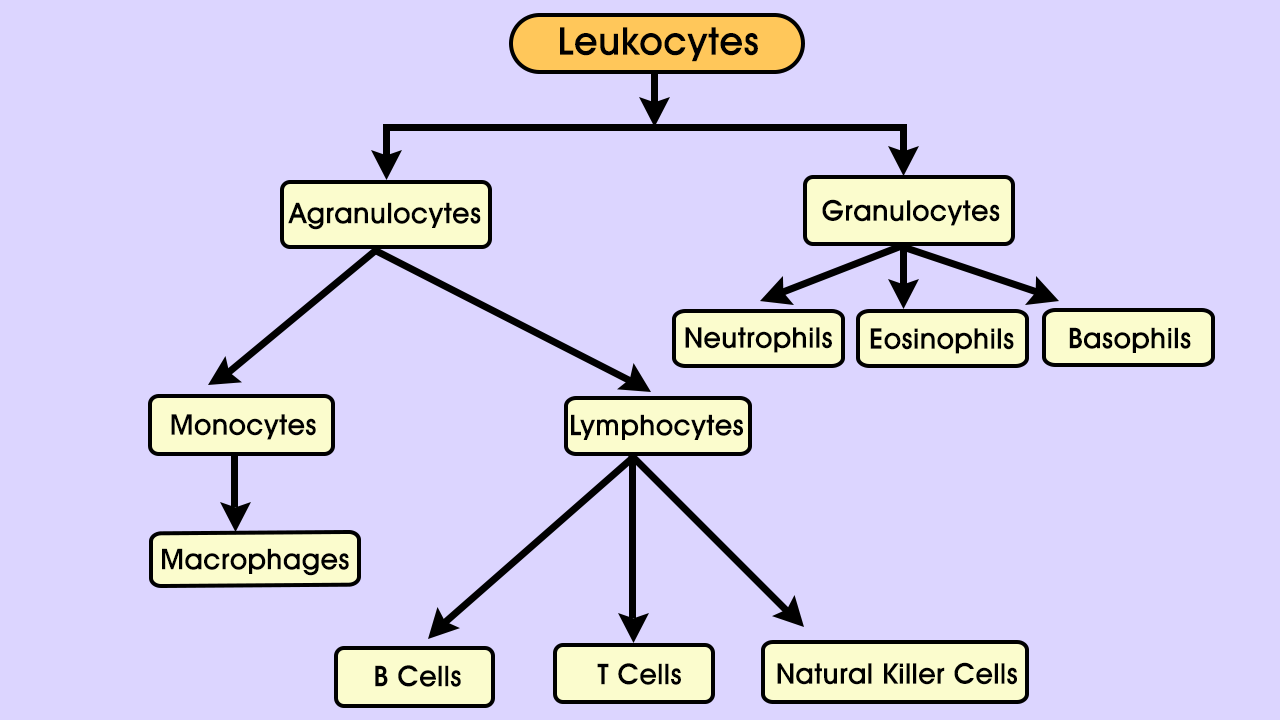
flow-chart-of-types-of-leukocytes
Photo from bodytomy.com

T cells are a kind of lymphocyte, which are themselves a type of leukocyte, or white blood cell. Lymphocytes are involved in what’s called adaptive immunity; they use molecules on other cells – the body’s and invading pathogens – to recognize foreign material and defend against it. Kinds of lymphocytes include T cells, B cells, and Natural Killer cells. Different types of T cells perform different roles, such as “helper” cells (Th- cells), “regulatory” cells (Treg cells), and cytotoxic cells. CD4 and CD8 (which refer to markers on the cell surface) are the two main categories of T cells. CD4 T cells are mainly helper cells, and CD8 T cells are mainly cytotoxic, meaning they mount direct attacks against invaders.

Both main types of T cells, CD4 and CD8, have other molecules attached to their surfaces. Some are receptors that grant the cell access to infections; two such receptors are known as CXCR3 and CCR6. Antidepressant-free patients with MDD have been shown to have significantly lower expression of both receptors on both types of T cells. The same study also found a significant trend in MDD towards fewer Natural Killer cells, a finding that was corroborated in another study.

Research has shown that T cells have a neuroprotective quality. T cells migrating to the brain can reduce stress, promote neurogenesis (growth and development of nervous tissue), and reduce inflammation. Study after study have found inflammation, changes in immune cell composition, receptor alterations, and gene expression changes associated with Major Depressive Disorder.

Causes and Effects of MDD Immune Changes

All of these changes are fascinating in themselves, but are they the results of depression, causes of it, or some intermediary factor?

The Sickness Behavior Hypothesis

Some researchers view depression as a maladaptive result of what’s called “sickness behavior”. Sickness behavior is a vertebrate trait that, through behaviors like somnolence, anhedonia (loss of interest or pleasure), and reduced or no eating, conserve energy that can be directed towards fighting infection. Researchers have presented evidence that both sickness behavior and depression are mediated by pro-inflammatory cytokines– proteins that act in cell signaling roles. These two observations- depression and sickness behavior share symptoms as well as mediators- led to the following hypothesis. Depression is the alternate, maladaptive pathway of molecular processes that, on the other pathway, lead to sickness behavior. Under this hypothesis, the depression pathway leads to neurodegenerative changes that make repeated episodes more likely. Adding that to other research that shows a link between sickness behavior and major depression, and a fascinating picture emerges.

Sickness behavior and major depression do look remarkably alike in their symptoms, and we do know that major depression is often a lifelong illness.

Approximately 60% of people with MDD who experience a single depressive episode go on to have a second episode, and about 70% are likely to experience a third episode. Similarly, having had three episodes increases the chances to about 90% that a fourth episode will occur.

Functional Consequences

Biochemically, these changes are significant. Functionally, do they affect the people who have them? The answer may be yes. One study found a 59% increase in the risk of infection following one depressive episode. The increases weren’t linear, but the risk did go up again after the fourth episode. In addition, among college students, poor mental health is correlated with acute infectious illness.

Fortunately, treatment with antidepressants, if effective for depression, also returns T cell subsets to normal ratios. Differences in the subset ratios between those who responded to treatment and those who didn’t may help determine the chances of efficacy for a particular patient with antidepressant treatment.

Time-lapse photography in black and white of stars appearing to rotate in the sky over silhouetted trees

Overcoming Depression’s Inertia

It seems that every stage of depression recovery comes with its own tortuous fear.

I’m depressed, and I’m afraid I’ll feel like this forever.

I’m depressed and can see recovery in the distance, but I’m afraid I won’t be able to handle it. What if I don’t even know who I am anymore?

I’m less depressed, and I’m afraid that if I give myself a break, everything will fall apart again. 

I feel good, but I’m afraid that my depression will come back at any time.

I’m less depressed, and I’m getting out of the house and going for runs and doing yoga and going for hikes and doing the shopping and talking to neighbors and making appointments and I’m terrified. I’m terrified that if I stop even for a second, everything will fall apart. I’ll be right back where I started, in the deep nothingness of depression.

I wish it were easy to maintain balance; add a sprinkle of joy on this side, toss in a handful of rationality over here. But entropy won’t allow it, and neither will the laws of inertia. If an object at rest stays at rest, I must keep moving.

Except- there are outside forces acting on this object. I cannot keep moving indefinitely. Eventually, I must rest. Then, when I’ve replenished my energy, I’ll move again, each time becoming more and more balanced.

Love,

Your brain

Acceptance, Self-Compassion, and Growth

The other day, my therapist gave me a handout on self-compassion. My “assignment” is to read through it and make some notes on what stands out to me. Since she reads my blog, (Hi, J!) why not expand my notes into an entire post?

A Definition of Self-Compassion

Self-compassion has to do with accepting that we are not infallible and treating ourselves gently when we’re suffering. Just like you’d extend understanding and compassionate support to someone else, we can strive to do the same for ourselves. As humans, we’re going to make mistakes; our imperfections are not only part of what make us unique, but their existence is also a common element shared among all humans. The handout encourages readers to stop fighting against the reality that we are imperfect beings.

Here’s my initial reaction to that bit of advice: but if I stop fighting it, I’ll stop improving. 

Growth

drawing of woman surrounded by plant growth

I worry that if I stop fighting the reality that I’m going to make mistakes, I’ll end up stagnating. If you also hold this belief, I wonder if we can change it by convincing ourselves that the components of success don’t necessarily include criticism and harsh judgment. You can like yourself and still be motivated to grow and improve. (This is what the Dialectics in DBT is all about; two seemingly opposed things can be valid at the same time. It’s about finding the middle ground.) Not to mention, you don’t need to beat yourself up for your mistakes in order to learn from them.

Acceptance vs. Resignation

At the heart of it lies another DBT concept, the difference between acceptance and resignation. Acceptance is the ability to recognize and come to terms with the reality of a situation. It leaves room for you to change it. Resignation doesn’t. When you’re resigned to something, it’s like putting blinders on. You see the reality of what’s in front of you, but not the opportunities to your left and right. With acceptance, you can understand that something is the way it is and still take steps to change it.

Depression’s Symptoms

Here’s where I run into trouble. Depression comes with behavioral symptoms that can get in the way of my productivity. When I sleep too much, for example, it somehow feels easier to be hard on myself than to accept that my illness causes these symptoms. Why? Probably because it gives me a sense of control. If I take responsibility for things that are out of my control, I don’t have to face that they are, in fact, out of my control. It scares me to feel like a victim of my illness. I’d rather be hard on myself for something that’s not my fault than relinquish my (false) sense of control over my actions. I think the key issue is that I’m not distinguishing between acceptance and resignation. I can accept that depression causes me to experience symptoms. If I accept that (not resign myself to it), then there are actions I can take to combat those symptoms, and practicing self-compassion will be easier.

Keep in mind I said “easier“. I’ll be honest, self-compassion is something I’m really struggling with. How can I hold myself accountable for working to get better without being judgmental when it’s not going to plan? It seems like a delicate balance, but my current strategy is not serving me in the way that I’d like. I guess it’s time to invest in a tightrope.

Are there times when you struggle with self-compassion? How do you remedy it? Share your tips in the comments!

green-vine-climbing-white-wall

How I Learned to Advocate for Myself

I’ve been enjoying all of the content online for Mental Health Awareness Month, and I thought I’d contribute my own story. Here’s my own experience of why advocating for yourself is important.

I have severe psoriasis, an autoimmune skin condition that makes itchy, flaky plaques where my skin cells regenerate too quickly. During my recent hospitalization (for severe depression), I let my doctors know about this in a brief, it’s-not-that-relevant-but-you-asked kind of way. When the psychiatrist asked if I had any physical conditions, I informed him of my psoriasis.

A few days later, I was meeting with my social worker to discuss my treatment plan. Under “diagnoses,” Major Depressive Disorder and psychosis were listed. Before I even said anything, my social worker quickly brushed it off and said, “Don’t worry too much about the psychosis- it might just be that you were confused when you came in.”

Now, I’m the kind of person who will eat the wrong food at a restaurant rather than speak up and point out a mistake. I’m the kind of person who willingly takes the middle seat on an airplane because my neighbor explains that she has to pee a lot. Seriously. I am not assertive.

However, diagnoses are a whole ‘nother bucket of fish. When I saw that on my treatment plan and heard my social worker minimize it, I made it clear that I was confused by it and wrote my concern in the questions portion of the form. The next time I saw the psychiatrist, I steeled myself in preparation to ask about the mysterious psychosis that I definitely didn’t have. Before I could bring it up, he sat down, sighed, and said, “It turns out that they couldn’t read my handwriting and thought I wrote ‘psychosis’ when really, I wrote ‘psoriasis.’ It’s all fixed, now.”

I laughed about it at visiting hour that night and for many nights after. Really, we’re still laughing about it. We’re getting some serious mileage out of that one.

The important thing is that I spoke up for myself and that it got remedied. I almost had an incorrect diagnosis which could have caused more confusion down the line. So, speak up! If something doesn’t look right or feel right, let your doctor know. They’re people too, and sometimes mistakes happen.

Also, handwriting is more important than you might think.