“I need a new bathing suit”, I told my mother before heading out the door. A list of criteria floated through my mind. It needed to have shorts, or maybe a skirt, which had to go down to my mid-thigh. Of course, it should be cute so as not to arouse suspicion or too many questions.
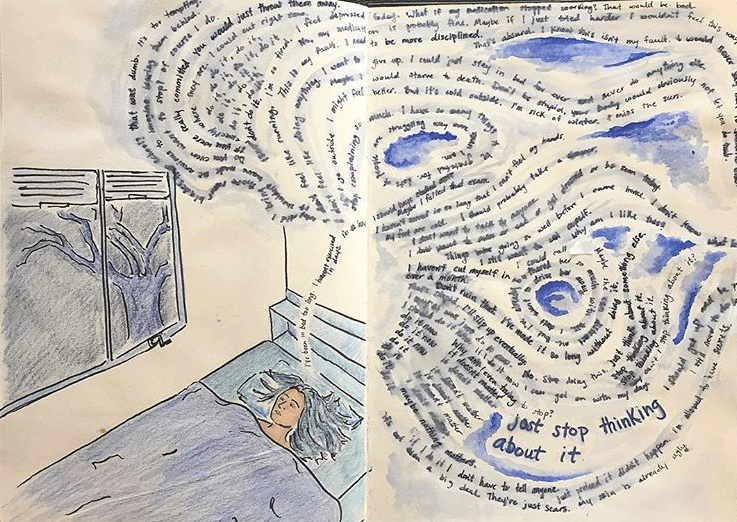
Buying a bathing suit with a skirt was just one of many ways I hid my self-harm from those around me. In my third year of college I became depressed, and the following summer I started self-harming. I did it in secret and hid the evidence. I knew that altering my clothing choices would spark concern, so I continued to wear shorts that barely covered the still-healing wounds. Looking at photos from this time is painful. I remember desperately trying to appear well; smiling while anxiously pulling my shorts down to cover my secret. It consumed me entirely until cutting was all I thought about. Fighting the urge to do it was like trying not to sneeze. I would think about it constantly for days or weeks until I could take no more, and give in just to make the thoughts stop.
At age 4, I was diagnosed with Sensory Processing Disorder, a neurological condition that affects the brain’s ability to make sense of a world filled with sensory stimuli. I screamed getting my hair washed, I refused to go outside until my mittens were tucked into my sleeves, and anytime I fell down, I held my breath until I passed out. As a child, the world was a scary place, and although I learned to cope with my differences, the pressure of college and my looming adult life plunged me into numbness and depression. I began to feel outside of myself when in busy areas, and when I closed my eyes, I felt a gentle rocking as if I were on a boat. Cutting was a way for me to ground myself when things felt out of control.
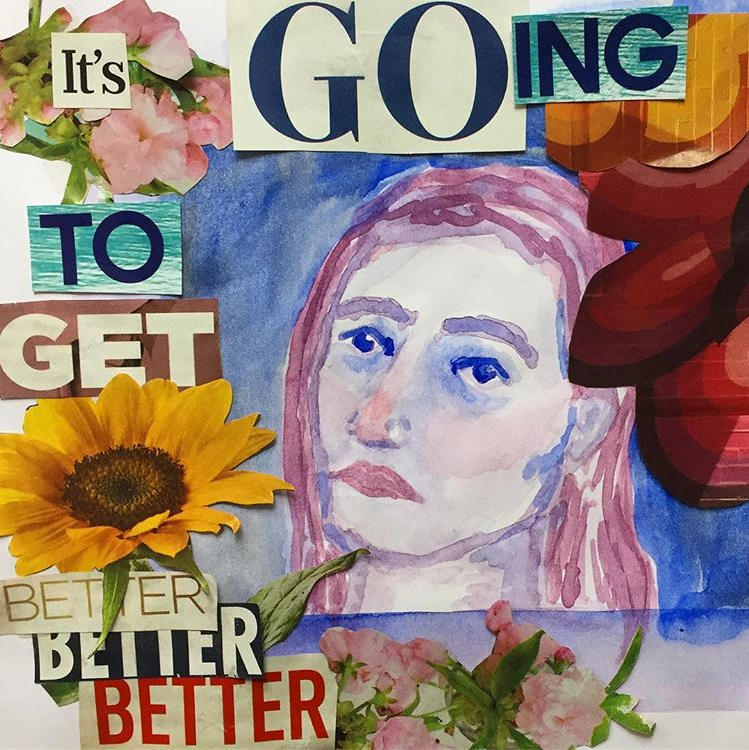
All of this has taken me months to discover, though, and it was terrifying to not understand my own actions. Reaching out to my loved ones helped immensely. After months of hiding my self-harm from my mother, I told her about it the night before I moved back to school. When I showed her, she looked at the rows of raised, red scars and softly said: “that’s what I thought was happening.” All of the effort I had put into protecting her from the truth, for nothing. She had known for weeks, and I probably caused her more worry by staying silent. The next day, I left to begin my final year of college, four states away. I began seeing a therapist who encouraged me to create art that expressed my emotions, and when I found myself in a hazy stupor, I would open my sketchbook instead of turning to self-harm. But removing self-harm from my list of coping mechanisms made me feel wildly out of control, and I spiraled into a state of suicidal ideation. By the time I reached one month without engaging in self-harm, my therapist was gently suggesting hospitalization. Thankfully, I switched medications, and although it wasn’t the right one for me, it helped enough to keep me safe.
What I’ve learned about self-harm and other damaging coping behaviors is that they give you the illusion of control. Over time, however, it grows into a slippery beast of its own. You may eventually wonder how this action that you perceived as giving you control has come to hold you so tightly, until it doesn’t feel like a choice at all. Months of therapy, various medications, and the unwavering support of my friends and family have slowly allowed me to come out of the darkness. Today, I have gone over 10 months without self-harm, and I’ve come to understand that saying “no” to that self-harm voice gives me true control that is much more effective than self-harm ever was.
A couple of years ago, my psych nurse suggested we send some of my cheek cells to a lab for genetic testing. I was severely depressed and hadn’t had much success with the antidepressants I’d tried. With a significant family history of depression and other mental health issues, it seemed likely that there was a genetic component for me.
My psych nurse told me that for some people, a genetic abnormality affects the activity of a particular enzyme that’s implicated in psychiatric conditions (and many other illnesses). People with this mutation can be helped by taking what’s essentially a supplement (I believe she even said it was “like a vitamin”), l-methylfolate. By taking the product of this hindered metabolic process in pill form, it fills in the gaps that your faulty enzymes have left behind. Because it was a rather serious situation, we decided that we may as well add this supplement to see if it helped. I told her I’d think about the genetic testing.
A couple of weeks later, we revisited the idea. The l-methylfolate seemed to be helping a little, but not dramatically. I had figured that the testing would be unnecessary; if the l-methylfolate helped, we’d know I was a mutant. If it didn’t, we’d move on to something else. It wasn’t that cut and dry.
Why the reluctance, you ask?
Perhaps there was a little anxiety about what I might find out about myself, but I suppose that’s a topic for my therapist. Mostly, I was skeptical. Genetic research has advanced tremendously, but the mechanistic aspects of mental illnesses are still rather poorly understood. Could a DNA profile really tell me why I was depressed?
Well, I’ll spoil the ending for you and say “Yes. Kind of.” Curiosity won out, and I agreed to part with some of my genetic material in the name of science and not wanting to be depressed forever. The results, pared down to what’s important for clinicians and patients to understand, were interesting- and rather ambiguous.
The science behind MTHFR mutations
The gene in question is called methylenetetrahydrofolate reductase (MTHFR). Our genes code for proteins, and enzymes like MTHFR are one type of protein. MTHFR is involved in something called one-carbon metabolism, which has effects on the production of neurotransmitters.
First, some genetics background
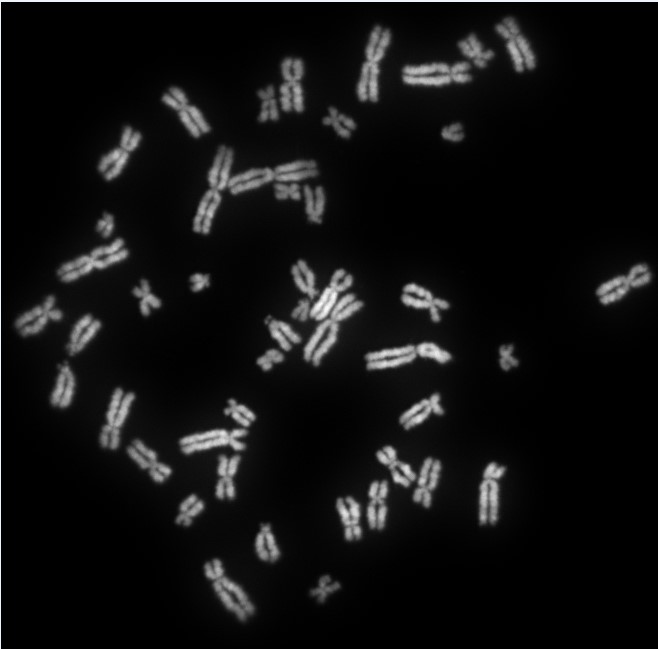
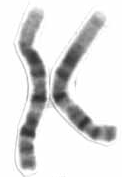
Harken back to your high school or college biology class; remember alleles? A gene and an allele are not exactly the same thing. A gene is essentially a small segment of a chromosome. The DNA sequence of a gene codes for a specific sequence of amino acids, which comprise proteins. An allele, however, is a variation of a gene. For each gene, you got one allele from your mom and one from your dad. I received a combination of normal and mutated MTHFR genes. Mutation is how variation occurs, and the process itself is neither good nor bad; it just is. Some mutations are adaptive, some are neutral, and some are deleterious.
Two MTHFR mutations
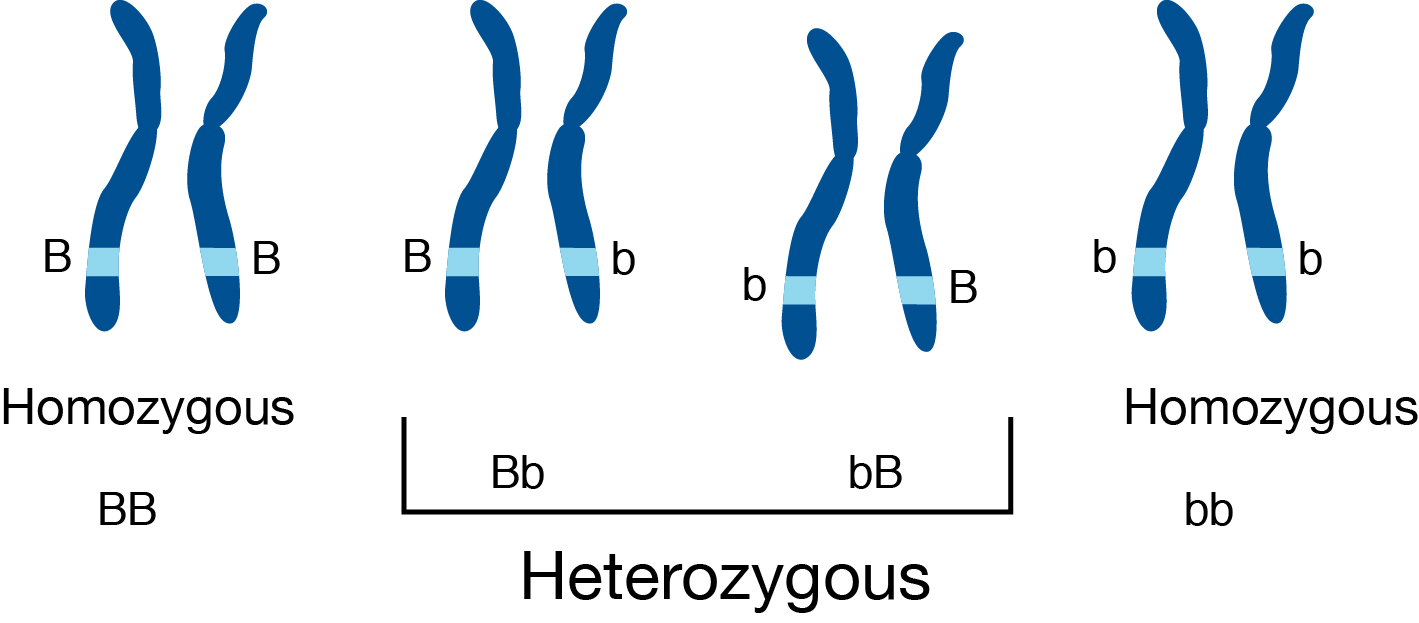
There are two main mutations on the same allele that seem to affect this enzyme’s activity. As usual, the names are cryptic; they’re called C677T and A1298C. The numbers and letters refer to where in the allele one nucleotide (or one “digit” in the DNA code) has been changed to another, and the substitution that’s taken place. In general genetics contexts, heterozygotes have different alleles from mom and dad, while homozygotes have identical alleles.
In the context of mutation research, there is typically one genotype that is referred to as “wild type,” meaning it contains no mutations and has full function. In this case, imagine the big “B” homozygous chromosome in the image above as the “wild type” and the little “b” as the mutation in question. The letters in examples like this are simply ways to represent alleles in a theoretical framework. The order of the letters is written out because, without further research, it’s difficult to tell which parent the mutation came from.
To bring it around to MTHFR, I’m a heterozygote for both of the main mutations (this is called “compound heterozygosity”). My genotype for C677T is C/T. The C (cytosine) is the nucleotide in the normal allele and the T (thymine) is the substituted nucleotide in my mutated version. I got the C from one parent and the T from the other. I’m also a heterozygote when it comes to the A1298C mutation. My genotype is A/C, where the A (adenosine) is the normal one and the C is the mutant.
The problem lies in the metabolism of a key metabolic precursor: a biologically-active form of folate. The product of this reaction is 5-tetrahydrofolate, which provides a methyl group for epigenetic regulation. In other words, when MTHFR is mutated, the system that controls gene expression and, ultimately, neurotransmitter production, is affected by a lack of this enzyme’s product because the enzyme’s function is reduced. This is the gap that the supplement I take fills in.
Enzyme activity
Meta-analyses suggest that C677T homozygous mutants (they have two mutated copies) have a 75% reduction in MTHFR activity, and A1298C homozygous mutants have a 39% reduction in enzyme activity. Heterozygotes for each mutation have less severe reductions in activity, but if you’re a compound heterozygote (like me), that results in a 52% reduction. So, I have slightly less than half the enzymatic activity for MTHFR than a normal, non-mutant.
MTHFR and depression
That all seems pretty straightforward, but take a look at the plethora of studies that exist on the internet, and you’ll see why I was cautious. Some have found significant relationships between MTHFR polymorphisms and psychiatric conditions, and yet others haven’t. There are some studies that say that there is no difference between mutant and control subjects when it comes to depression. Others suggest that carrying a mutated MTHFR allele predicts depression when the person is exposed to childhood trauma.
The consensus seems to be that more research is needed, although increasingly, there does seem to be a relationship between MTHFR and depression.
For me, I’m content to believe that at least some of my struggles can be traced back to MTHFR. The supplement does seem to make my antidepressants more effective. Plus, that’s not all that my genetic report showed. I also have a weird serotonin transporter that makes SSRIs less effective and increases my cortisol release in response to stress. I’m glad I did the test, at the very least because it helped me to accept my disorder as valid and offered insights into my mental health..
The future of mental health treatment
Is this a sure-fire way to treat mental illness? I’d say not yet, but it’s certainly valuable. Personalized medicine seems to be a buzzword floating around these days, and the implications of genetic research for how we approach mental illness are fascinating. Maybe when the relationships between genes and mental illness are elucidated a little more clearly, we can finally kick the stigma and misconceptions out the door. One can hope, at least.
Dear Future Brain,
It’s been some time since you’ve been where I am, and I wanted to remind you of some lessons I’ve recently learned about depression and self-care.
1. You matter.
I hope that by the time you’re reading this, you sincerely believe this one. I know that we often get lost in existential quicksand. Try to remember that the things you think are indicators of an inconsequential existence can be viewed just as easily as miraculous and precious. Yes, the lifespan of a human being is practically instantaneous in comparison to the existence of the universe. And yes, multi-cellular life may have arisen by accident. But consider this: the fact that you are here, a teeming community of human and bacterial cells piloted by a blob of electrified tissue, is pretty incredible.
2. Listen to your body.
It’s not always easy. In fact, I’m learning that it usually feels like I’m guessing. If this is something you’ve lost touch with, refresh your memory of #1. Natural selection may have screwed you over when it comes to the arrangement of your food pipe and your air pipe (thank you, epiglottis), but it did ok when it came to your nervous system. Yours in particular may be a little out of whack, but it still keeps you alive. Try not to discount your body; it probably knows what it’s doing.
3. You require deliberate (and likely extra) self-care.
Because listening to your body doesn’t come easily, it’s important for you to make an effort to hear it. If that means being a hermit for a few hours every afternoon, so be it. Hopefully you’ve got this one mastered and it feels more natural, but if you still have to work at it, that’s ok. It’s worth it.
4. Depression does not make you a burden.
‘Nuff said.
5. Needing medication is not shameful.
I know, you were mortified when you had to get a bigger pill organizer because you couldn’t fit all your pills for depression in your old one (to be fair, those vitamins are freaking huge). And every time you fill a new prescription, you worry that the pharmacist thinks you’re a nut, but I assure you, she doesn’t.
6. Movement is wonderful.
It’s easy for us to be sedentary for way too long, and since we’re a creature of habit, breaking out of that pattern is tough. Take my word for it though; moving makes you feel better.
P.S. exercise doesn’t have to be difficult.
7. Seek meaningful connection.
Being isolated is tempting, and it’s necessary at times, but it doesn’t serve you in large doses. Whether it’s maintaining your existing relationships or reaching out to someone new, social connection is a vital component of your happiness.
8. Keep growing.
Growth takes lots of forms, and it’s not always about taking a big risk. Stick your toe outside of your comfort zone every once in a while, and believe me when I say that you’re more than capable. If you don’t stretch yourself, your comfort zone will just keep shrinking.
9. Practice gratitude.
This is not to say that your pain is invalid because of the positive parts of your life. Instead, acknowledging the things that you’re thankful for can make the tough stuff a little easier.
10. Have hope.
Depending on where you’re at, this may seem like a meaningless platitude. If that’s the case, I don’t think I can convince you to believe it. Someone once told me that they’d hold the hope for me, so for now, I’ll hold the hope for you. You from the past is rooting for you. You’ve got this.
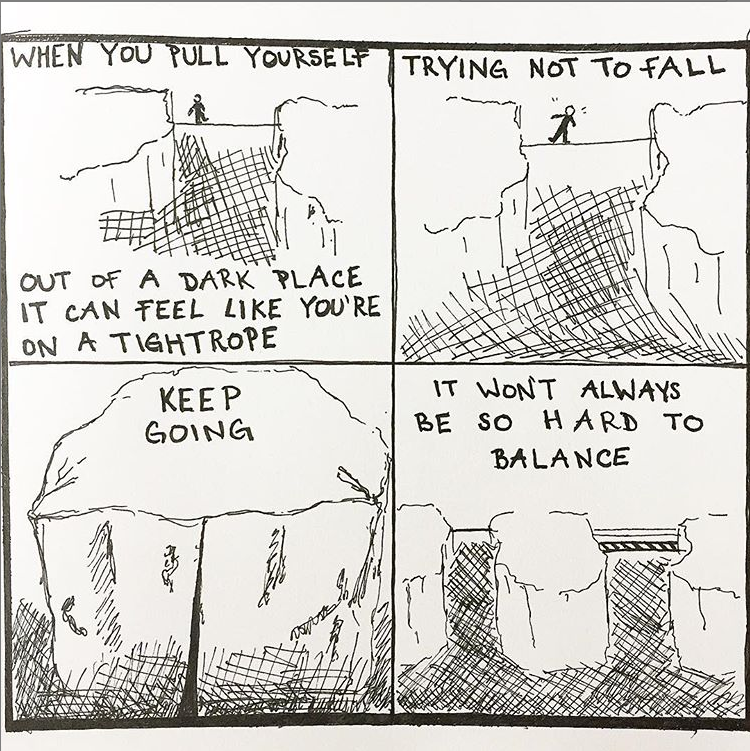
Carrying depression around only gets heavier. Like you were forced to sign a contract whose small print stipulates that not only will this weight of sadness and hopelessness sit on you for long periods of time, but it will also collect small, dense secrets. Pretty soon, you’re like a one-man band of mental illness and dark thoughts you’ve never uttered out loud. My band only plays a cacophonous combination of doubt, worry, and despair, and only inside my own head. I like to think that I’ve made a lot of progress in being able to talk about my feelings, but maybe that’s just on a superficial level. The really dark stuff is still jangling away in my one-man band.
The thing about constant noise is, you start to tune it out. You carry on with your life, compensating for the mental energy being drained away. And then suddenly, one of those dark thoughts crashes into your head. For instance, today I remembered that I have bottles of pills hoarded under my bathroom sink. They’re all failed antidepressants; they either didn’t work for me or I was allergic to them. I kept them all “just in case” and although I’m doing better, I’m still afraid to get rid of them. I’ve also kept the razor blade I used to use, tucked away in a sewing kit. That kit has been through hell; the thimble is rusted and my dog chewed through the case, but I never threw it away. Months after the last time I hurt myself, I sometimes pull it out and just hold it.
I guess I’ve kept these things because, deep down, I don’t believe I’ll ever be free from depression. Perhaps that’s the worst component of my one-man band. Or maybe, it’s the string that holds the entire monstrous instrument together.
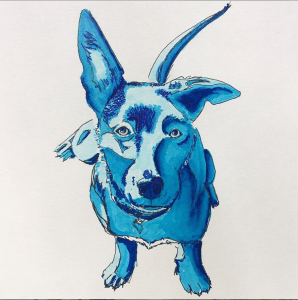
When I brought Stella home from the shelter, she was skittish and timid. It must have been such an abrupt transition for her; she has an address and a phone number hanging from her collar, and just like that, she has a home. I hope that she grows even more confident in her new life here, but it strikes me that what I’m asking of her is difficult for me to do as well. Every day, I try to teach her and guide her. I set boundaries and offer affection. I want her to feel secure as a part of my pack, and I want her to trust me.
And yet, sometimes when I look at her, I feel as though I’ve made a terrible mistake. At first, it was hard to pinpoint why, but I think it’s because she makes the door that is suicide close a little more. I’m feeling a lot better these days, but it’s reassuring to have my plan as an option. I simply don’t trust that this improvement in my depression will last. That’s not to say that the other sources and objects of love in my life aren’t enough to keep me here. They are why I’m alive right now, after all. But welcoming another creature into my heart only ties me more securely to life. She deserves happiness and security as much as I do. How can I ask her to trust that I’ll be there for her when I don’t even trust that I’ll be here for her whole life? I like to keep my options open, and it’s terrifying to willingly let one go. So I try to focus on the wonderful parts of having a new friend.
Her personality comes out more and more each day, and each night, she sleeps a little closer to me. She loves belly rubs more than anything else, and will fall asleep on her back, legs askew. She’s afraid of lots of things, but she’ll walk toward them if you go with her. She wags her tail in a wide arc that’s more than 180 degrees, and the sound of her paws on the floor makes me smile every time. Sometimes at night, her round, puppy tummy goes up and down in time with the crickets, and I wonder if she likes the rhythm or if she and the crickets share a wild, natural pacemaker. And then her breathing breaks, and she sighs deeply, content to lie next to her human.
I think we both need time to build trust in order to get to where we want to be. I’m willing to wait.
When someone is affected by Sensory Processing Disorder, keeping their nervous system regulated can be more difficult than it is for other people. One of the goals of occupational therapy is to learn skills and strategies to stay regulated.
The Basics
This afternoon, I cried while rocking and squeezing a dryer ball between my hands as hard as I could. I was experiencing what my OT calls “split arousal”. If you imagine a parabolic curve, at the left side is low arousal and at the right is high arousal. Low arousal feels like if you ate an entire Thanksgiving turkey right after you failed an exam. Sadness, lethargy, hopelessness, distorted thinking, and slouched posture are all signs of low arousal. High arousal feels like drinking six cups of coffee at an amusement park right after riding the Tower of Doom. In between the two is where you feel like Goldilocks just before the bears burst in (after which I’m sure Goldilocks was in a state of very high arousal). Feeling “just right” is a wonderful state, and there are tons of strategies to get yourself away from either end of the spectrum, towards the middle. It should also be said that everyone’s arousal curve is different. What would put me into a sweaty panic might be just right for you because our nervous systems are different.
So, what’s split arousal? Split arousal happens when your body is in a state of low arousal while your mind is in a state of high arousal. If you’ve ever experienced dissociation, you know how that’s possible. Signs of split arousal include unusual quietness, low energy, racing thoughts, overwhelm, and emotional shutdown. I seem to be adept at achieving contradictory states, simultaneously. Go, me.
A Few Strategies to Cope with Sensory Processing Disorder
When you’re in a state of low arousal, it helps to do things that perk you up. Listen to peppy music, eat crunchy foods, go out in bright sunlight. As you might expect, doing the opposite can help bring you out of high arousal. Dim the lights, wear comfy clothes, drink something soothing. When you’re in split arousal, the things that usually help perk up your body will only make your brain more frantic, and the things that calm your mind will make your body shut down even more. This is why people with Sensory Processing Disorder sometimes turn to self-harm, which is very grounding. It’s something strong enough to break through the haze of low body arousal, but somehow repetitive enough to be soothing and make you feel in control. (The bumps on a dryer ball can give you the same sensation of intense pressure, but without the permanent damage.) Again, everyone is different, so what one person finds grounding may not work for another person, but generally, doing something active but not too active can bring your body and mind back to the same place.
Step By Step
So, how am I dealing with it? Squeezing the dryer ball was step one. That got me past the initial urge to self-harm. Then, I went for a brisk walk with my dog. Being outside in the fresh air, feeling my feet underneath me and the leash in my hand, these sensations helped focus my mind and calm me. Now, I’m writing. I can feel the keys underneath my fingers and I have to herd my thoughts into coherent sentences. Setting out the logic of it also makes me feel less irrational.
But, Why?
This didn’t just happen for no reason (although brains can be finicky, who are we kidding?) To put it briefly: I was having a bad day. To put it lengthily: I was forced to abandon my routine and go to an unfamiliar place to work. It was loud, busy, and my laptop was being a huge pain. I’m behind on a completely unattainable project goal, and to top it all off, I was hangry. Then, to assuage my guilt for leaving my puppy cooped up at home, I took her to the dog park when I got back, only to be drenched in a sudden downpour upon our arrival. Cue: me, crying under my weighted blanket and silently cursing everything that was making noise in the neighborhood. Sometimes bad days happen, and where the me of 6 months ago would have had no idea how to remedy it, the me of today pulled out her OT handouts and picked some strategies. Go, me!

 Love, Your Brain