A Poem About Being Tired

QUALITIES OF FATIGUE

head statue
Photo by Mika on Unsplash

My eyes are beginning to feel

Like peeled grapes, getting dry

This cannot be fixed

with one. slow. blink.

No, this requires something more

A seven-hour soak inside my orbits

Floating in dark saline dreams

Getting ready for the crack

Of eyelid curtains

And another day of dried-out vision

A Plains Poem

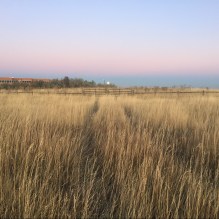
NOVEMBER SNOWtall, yellow grass with overgrown tire tracks and pink sunset

All summer, golden grasses swayed

Over prairie dog burrows in dry caked clay

Little sentries stood at attention

Through parched heat and months of baking sun.


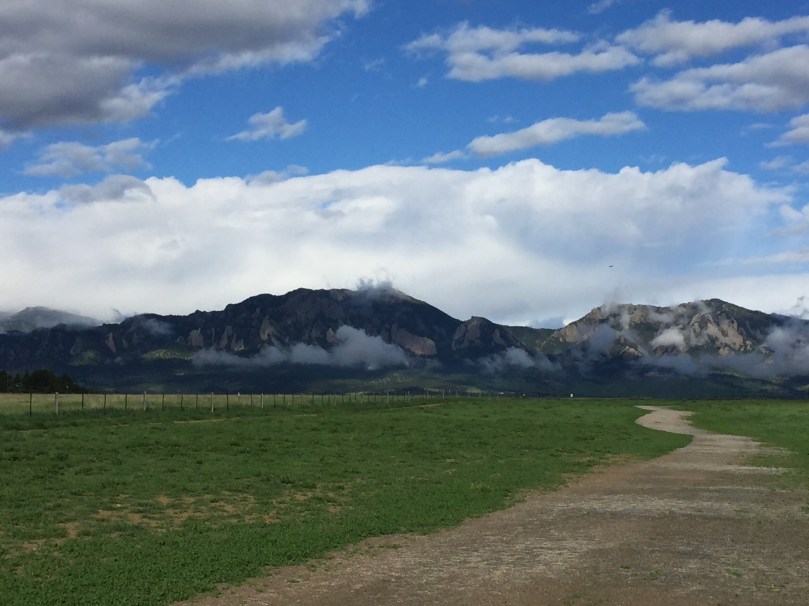
rocky mountains under blue sky with clouds and snowy plains in front
Photos are my own

Now, November snow blankets the plains,

Flattens grasses and where it melts,

leaves golden cowlicks sticking up

at odd angles

woman wearing floral dress blocking sun with hand while walking on sand dune in desert

Mental Health and Resilience

Is it ever ok to give up? Cultures around the world are inundated with myths, lore, and tales of a protagonist overcoming seemingly insurmountable obstacles and emerging triumphant. They’re admirable, they’re heroic, and we strive to be like them. How do they do it? It’s not that they’re unaffected by tragedy and hardship. Their secret is resilience.

The concept of resilience can be difficult to pinpoint, but I think this quote by Janna Cachola encapsulates what I think of as the essence of resilience.

“Resilience is not about being able to bounce back like nothing has happened. Resilience is your consistent resistance to give up.”

Resilience does not mean that you’re the same after your ordeal as you were before; we’re constantly changing. It means that even in the darkest of times, we either wait for it to pass, or we work to change our reality. These are both demonstrations of resilience- sometimes you just have to hunker down and hold on. But no matter what, we refuse to give up.

TW: This section discusses suicide

September 10th is International Suicide Awareness Day. In the last few days, I’ve been reflecting on what it means to be resilient in the context of mental health.  Cultivating resilience is one way to help us resist hopelessness and feelings of helplessness. It puts the power back in our hands. It says “I can get through this, no matter what.” This line of thinking is in no way a judgment on those who have died by suicide. It’s simply an attempt to continue a conversation started by researchers, therapists, and people fighting mental illnesses every day.

I’m no stranger to the importance of resilience in mental health. I’ve thought about suicide in such detail and for so long, sometimes it seems like an acceptable option. At the same time, the part of me that values hard work and persistence is appalled that I would consider giving up. It’s a dangerous balance that I need to monitor carefully in order to remain safe. Resilience doesn’t mean that you have to do it on your own. Rely on the people who care about you and all of your other resources. Ask for help, and accept it when it’s offered. As the saying goes, you’ve survived every single bad day so far- that’s a damn good track record.

– Love, your brain


“i was not born with roses
in my chest
to be afraid of thorns.i was born to
bloom
in spite of them.”
― Vinati Bhola, Udaari

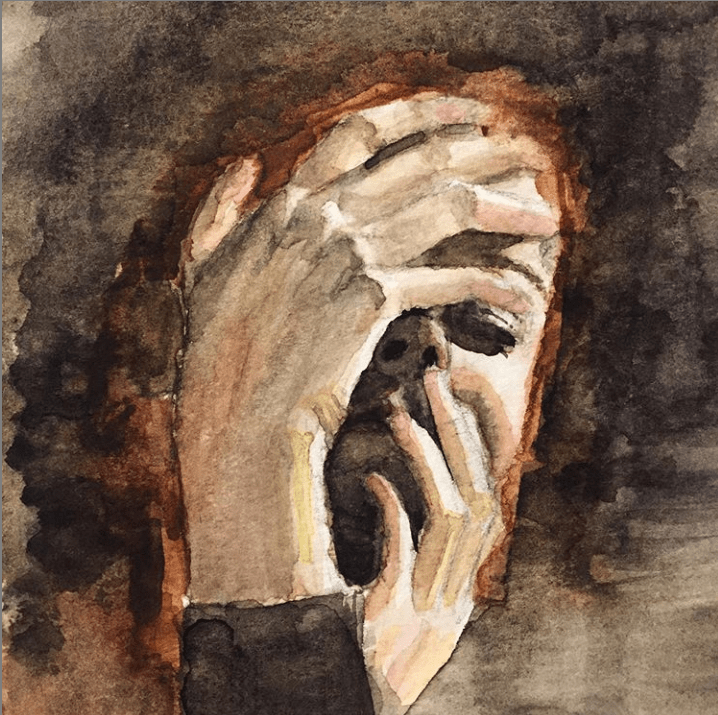
watercolor painting of woman's putting hands on face with eyes closed and dark background

The Lithium Slumber

There is no sleep like the sleep of parched eyelids and lithium limbs. Even before you swallow your nightly dose, your breathing deepens, your spine curves forward. Your thoughts retreat to a distant rumble, as if your brain is hosting a party to which you weren’t invited. Perhaps you’re already asleep. Maybe. Did you ever wake up? Maybe not.

In the morning, you place more pills on your tongue and let them be carried down with the water your kidneys are begging for. Today, you tell yourself, no more sleepI have things to do. But then it’s only been three hours since you rose this morning, and you find yourself sitting heavy on your bed, quickly slipping into the horizontal. No! No more sleep. You drag yourself from your cozy nest and plod to a less comfortable seat.

Yesterday, you slept for four and a half hours in the afternoon, and at that point, is it even called a nap? That’s just second bedtime in your book. And so today, like all the other days, you vow no more sleep. But your bed has its own gravity just for you, and before long, you’re crawling in; a perfect cove, with blanket waves and a pillow beach. Through the open window, you can almost taste the breeze, laden with lithium salt.

Love,

Your brain


I should be clear. I’ve been plagued by suicidal thoughts for three years, sometimes worse than others. Taking a high dose of lithium has given me, by far, the most dramatic positive result of any medication I’ve taken in my adult life.

I don’t want this post to be just another internet story about how terrible a particular psychiatric medicine was for someone. Those reviews are usually written by the people who had the worst side effects and the least benefit; after all, they’re the most motivated to write a review. Every medication has benefits and drawbacks. Scrolling through pages and pages of negative experiences paints a picture that doesn’t capture the thousands of people whose lives are vastly improved by that medicine.

It’s not perfect, and I still have bad days. It’s also a possibility that these sleep marathons are partly a symptom of my depression or the combination of meds I take that can make you drowsy. While I hope that lithium is not a medication I have to take long-term, I would be remiss if I didn’t acknowledge that taking it has probably saved my life.

Be well,

lumpdates

Two Black Dogs

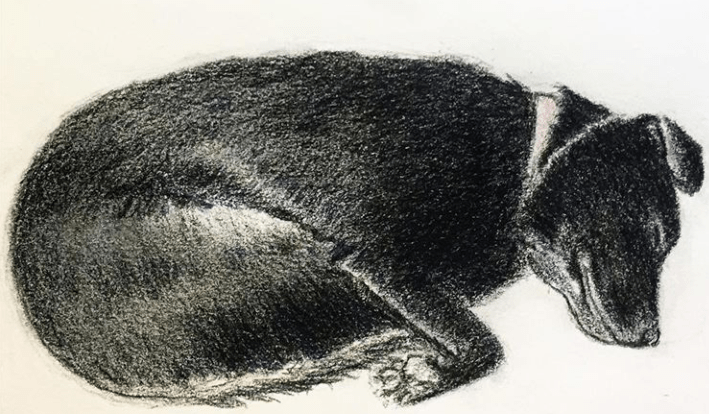
A short drive up a dirt road after a long drive up a canyon, there is a cabin in the woods. Inside, there is a sleeping dog–wearing her coat of all-black fur, resting on her side, one upright ear has flopped over. She has sniffed every inch of this cabin since we arrived yesterday afternoon. Her job complete for now, she allows herself a brief intermission to do what puppies do– nap soundly and sweetly.

I am sitting in an armchair near the sleeping dog. I came to the cabin for a short reprieve, to escape the relentless tide of life’s obligations. Most of them, I left behind. But one, I can’t seem to shake. A black dog followed me up here, and not the one at my feet. It goes where I go, does what I do. It can be menacing and imposing, or familiar and safe. This black dog is of my brain’s own creation, made from worry and sadness and guilt. It was set in motion before I knew of its existence. It came from faulty neurotransmitters, genetic predispositions, and the fickle imaginings of chance.

The black dog at my feet jolts awake — a noise on the stairs. It is only the cabin creaking, so she returns to her slumber. We both settle into the peaceful sounds of the woods. A duck laughs on the pond. Swallows swoop and chirp over the water, plucking mosquitos from the sky. A gurgling brook feeds the pond, and its sound is a balm to a worn-out mind. But a balm cannot evict the black dog of depression. It howls its objection, then herds me back to bed, nipping my heels with fatigue and foggy thoughts. As I sink into sleep, I know that soon, my other black dog will come to wake me. She will breathe on my face and wag her tail. She will tell me that it’s time to get up, time to go out, time to take in the sounds and smells of this short reprieve in the woods.

Two Poems, One Year Apart

I. 2018

How long can I hold my breath

in this murky, underwater state?


Life moves in slow motion.

Here, strange fish glide past-

feathers mark them as birds

in a different world.

There, tall grass sways

in the current.


My lungs are screaming-

-breathe in

-breathe in

it’s only air.


II. 2019

Finally-

my head above water,

I begin to swim

towards shore.


I get fatigued-

my body’s heavy,

still waterlogged,

and yet-


Clear air

and sunshine-

kiss my face

each day.


mountains

I was recently flipping through a journal and came across the first poem. I remember writing it. I was sitting on a bench outside, feeling utterly defeated by depression. I had gone for a walk on a trail I’d paced a hundred times, but felt foreign on the path and in my own body. Everything heavy, I sat on a bench and looked numbly at the world around me. All the parts of being outside that I love the most- the sun, the animals, the plants- seemed wrong. The sunlight was flat, the grasses moved unnaturally, and the birds seemed oblivious to my presence- as if I had already faded away.

These days, I still walk the same trail. Sometimes it feels like a chore, and sometimes it feels just right. I listen to the meadowlarks sing and the prairie dogs yip, and moving forward is easy. One foot in front of the other, I let the motion of my legs carry me without a thought. Other days, the weight of depression demands my attention. When that happens, and I’m overwhelmed by the sense that I shouldn’t be here- I shouldn’t be anywhere- all I can do is breathe, and wait for another good day.

Love,

Your brain

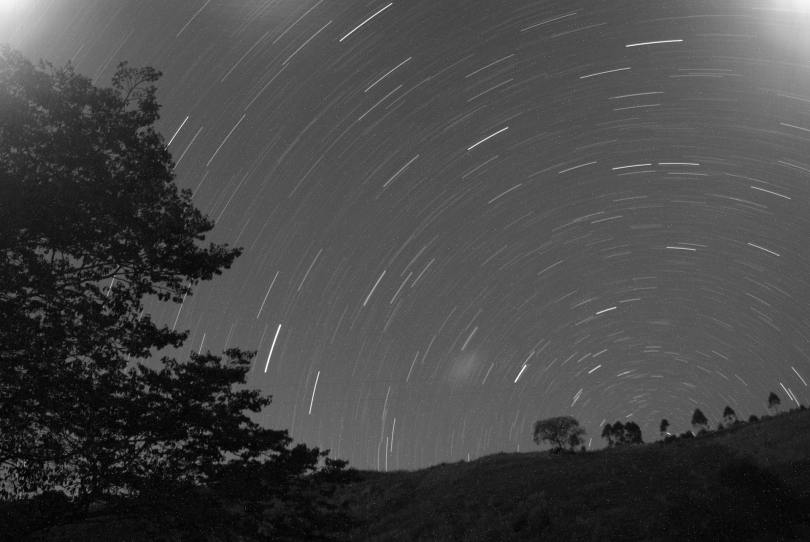
Time-lapse photography in black and white of stars appearing to rotate in the sky over silhouetted trees

Overcoming Depression’s Inertia

It seems that every stage of depression recovery comes with its own tortuous fear.

I’m depressed, and I’m afraid I’ll feel like this forever.

I’m depressed and can see recovery in the distance, but I’m afraid I won’t be able to handle it. What if I don’t even know who I am anymore?

I’m less depressed, and I’m afraid that if I give myself a break, everything will fall apart again. 

I feel good, but I’m afraid that my depression will come back at any time.

I’m less depressed, and I’m getting out of the house and going for runs and doing yoga and going for hikes and doing the shopping and talking to neighbors and making appointments and I’m terrified. I’m terrified that if I stop even for a second, everything will fall apart. I’ll be right back where I started, in the deep nothingness of depression.

I wish it were easy to maintain balance; add a sprinkle of joy on this side, toss in a handful of rationality over here. But entropy won’t allow it, and neither will the laws of inertia. If an object at rest stays at rest, I must keep moving.

Except- there are outside forces acting on this object. I cannot keep moving indefinitely. Eventually, I must rest. Then, when I’ve replenished my energy, I’ll move again, each time becoming more and more balanced.

Love,

Your brain