neon-sign-speech-bubble-shape

Therapy Code Words

Unfortunately for me and my therapist, my ability to write words does not always translate well to being able to speak them. I need time to think through an entire thought before I speak it, and I struggle sometimes to get the words out when the topic is something challenging. And not just for sensitive topics like self-harm or suicide, but even for topics like life goals.

In fact, the word “goals” makes my stomach twist. I feel so much internal pressure when it comes to my ambitions that any discussion of the topic overwhelms me. It’s as if I know that once I start really acting to reach my goals, I’ll have to go all out because I don’t know how to not do something 100%. And that’s overwhelming. And unrealistic. So I try to avoid talking about it or thinking about it beyond my daily sense of guilt for not “doing more.”

It goes without saying that I don’t like this. Goals are important, and they should be exciting, not something you dread. Yes, they often take hard work to reach, but I think the balance of work to reward should be worth it. I don’t want to put in work just to alleviate an unhealthy internal pressure; I’d rather work for something because I want the excitement and fun and pride of achieving the thing. Depression makes this hard. Excitement and fun and pride are not feelings that depression wants around. So, I find myself terrified of adding more to my plate and pursuing my goals, and terrified that I’ll do nothing and fall even more behind my self-imposed schedule. Trapped in between the two, “goals” is a scary word.

Here’s where the code word comes in. Instead of “goals,” my therapist and I talk about “clams.”

It’s groundbreaking, I know.

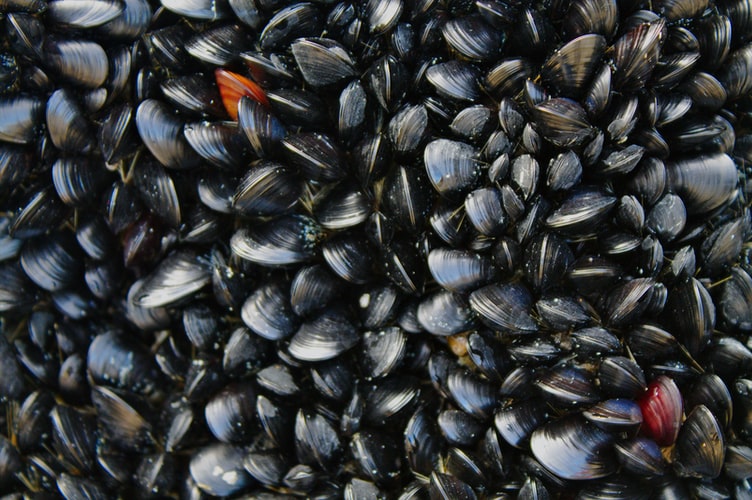
There’s no significance to clams, it was just the first word my therapist thought of, but it stuck. Much like the Potato Scale of Depression is useful in its humor, “clams” are somehow easier to talk about because of the silliness. It takes away the gravity of having a discussion about goals and replaces it with a lighthearted conversation about a bivalve often eaten with a lemon-butter sauce.

And this is how I want my goals to be. Not so scary. Not so enormous. Just little steps to bigger results, like shucking one clam at a time to make a chowder.

Photo: Andy Castille – @kikini

5 Ways I’m Reducing My Depression Naps

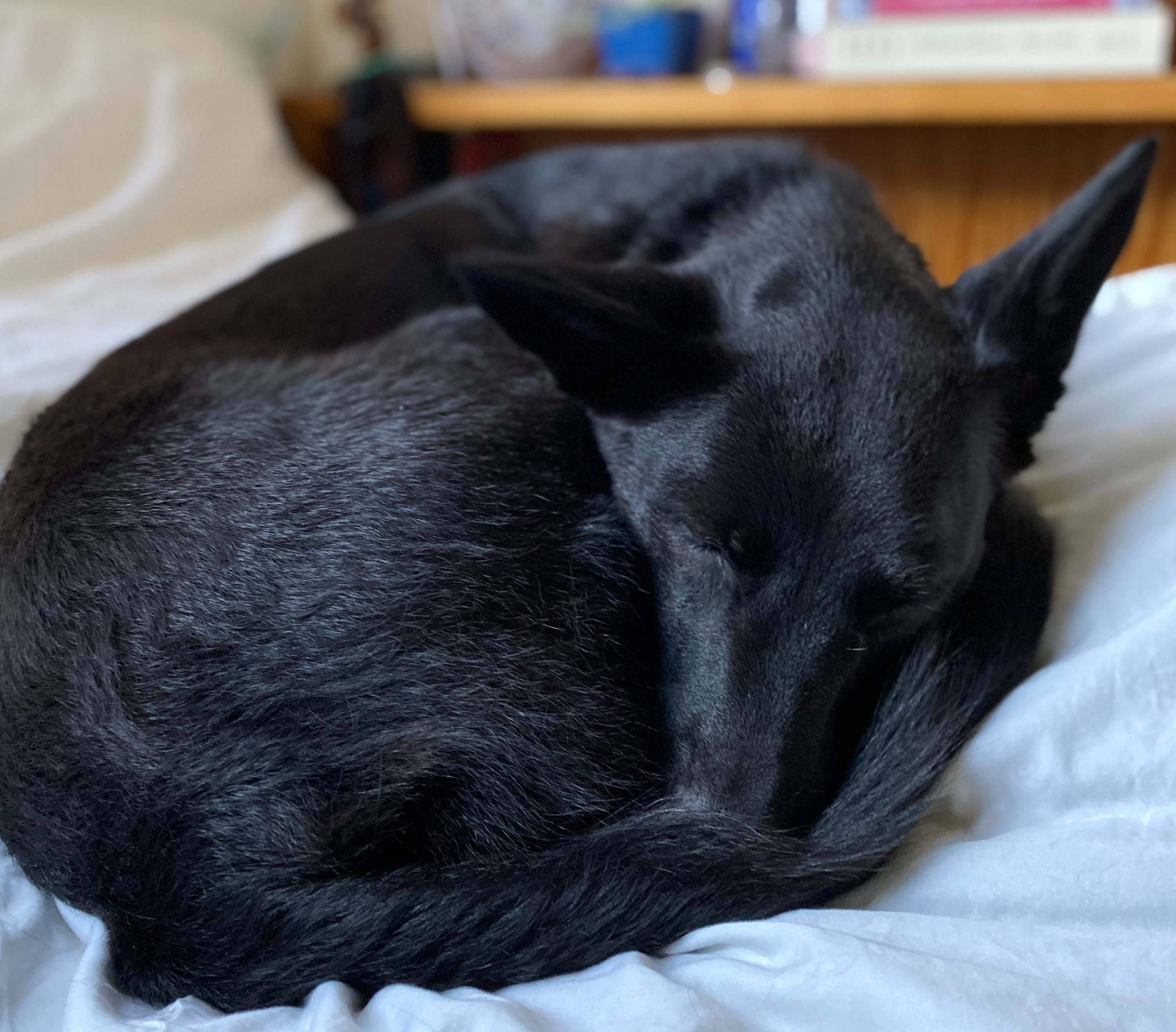
I sleep ok at night and WAY too much during the day. When I’m really depressed, I can get up early to take care of my dog and then go back to sleep until late afternoon. Sometimes, I can limit my depression naps when I have a lot keeping me busy, such as any work tasks I might have – which I do from home and largely on my own schedule within a day. But for the most part, I find myself frustratingly vulnerable to the sandman’s influence. Plus, now that Stella is no longer a puppy, she’s happy to spend hours on end with me, dreaming of whatever dogs dream of while we sleep on my bed. She used to wake me up every couple of hours to demand something from me, but now, it’s all snoozing.

1. Running

Running is a two-birds-one-stone solution for me, because it offers both the physiological and biochemical benefits of exercise in addition to the incredible fact that you can’t sleep when you’re running. I’ve lost a lot of my endurance, but I’ve been maintaining at least some regular running, which is remarkably easier to do the more recently I’ve had a ketamine infusion. I recently noted that the day after an infusion, I ran three miles without stopping, which I hadn’t done in months. Then, a few days before my next one, I struggled just to run one mile. Why is it so different? I guess that as the ketamine wears off, I lose the mental energy to push myself very far, and I’m worn out as soon as I start. It’s frustrating, but I try to just be pleased that I got out there at all. Perhaps, if I manage to rebuild my endurance a little, it’ll be easier to keep it up even through the changes to my ketamine buffer.

2. Setting the Intention with No Nap Monday

No Nap Monday was created in response to the smashing success of Yes Day, both of which were proposed by my therapist. No Nap Monday has been far less successful, but I do try to at least sleep less on Mondays. Sometimes I set an alarm for something reasonable, which is definitely subjective and changes week to week. Sometimes, my depression naps are an hour. Sometimes, they’re three. But no matter what, it’s good to at least have the intention.

3. Adding Activities

Ultimately, my goal is to not only sleep less, but also do more. It follows that I should attempt to add things to my routine. Volunteering is option that interests me. Over the years, I’ve volunteered or worked with animals in a few different capacities, and I always really enjoy it, so I tend to look for opportunities in that area. There’s an animal rescue near me that needs volunteers to feed the bunnies, and that sounds right up my alley. I just have to tackle my expert-level overthinking habit and then plow through my anxiety about new things and I’ll be right on track!

4. SAD Lamp Makes Me Happy (or at least less sleepy)

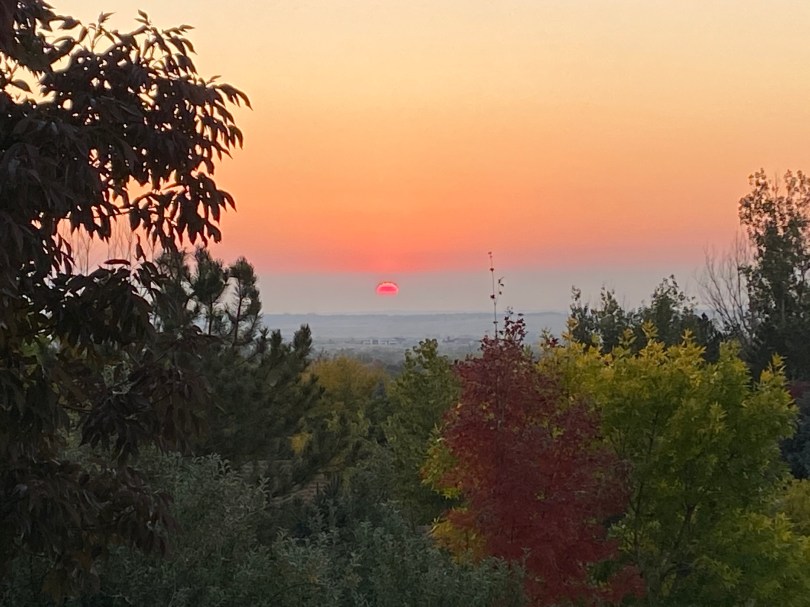
It’s now mid-October, so I pulled my seasonal depression lamp out of my closet the other day. The weather doesn’t affect me as much here in Colorado as it did in Michigan, but I can tell after a few cloudy days that I’m in need of some sun. Simulated sun will have to do.

5. Changing My Routine with Depression Naps

Much as I hate doing it, deviating from my routine often keeps me from giving in to depression naps. I tend to get irresistibly tired as noon approaches, and my mood slopes downward in the afternoon anyway, so that’s my prime depression nap opening. By forcing myself to be busy doing other things during that time, I keep my brain on its toes. The downside to this is that I do well with routine for other reasons, so abandoning that makes me anxious and sometimes decidedly cranky. But at least I can prove to myself that I am capable of functioning without depression naps.

Things That Don’t Suck

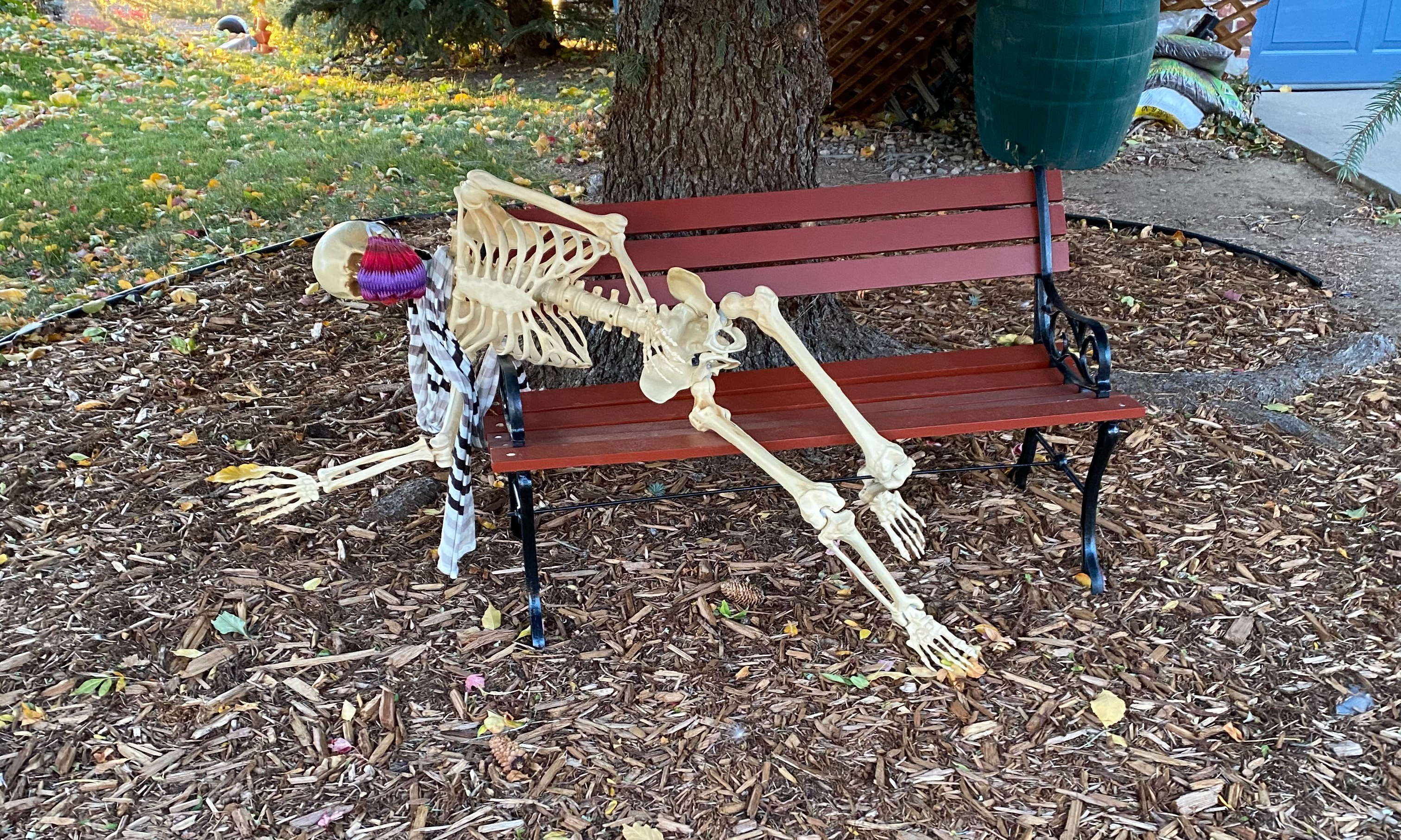
The last two days have been washed in heavy winds. The leaves, just turned golden-yellow, are being stripped off of their branches to accumulate near the front door, where they’re much less pretty. It’s a small thing to be disappointed about, but it seems as though so many things in the world suck right now. For one thing, our Home Depot skeleton, David S. Pumpkins, is constantly buffeted by wind on the seat from which he offers a cheery wave. Every morning, I find him slumped over as if we force him to sleep outside on the park bench, when really, he just doesn’t have the muscle tone to stay upright. What must the neighbors think? He likes it out there, I promise.

plastic-skeleton-wearing-scarf-and-cloth-mask-lying-on-red-park-bench
Up and at ’em, Dave!

You know what else sucks? Depression. I recently had my regular mental health bloodwork done to make sure my lithium level is within the appropriate range, as well as to measure my thyroid function. All is well. Lithium can cause hypothyroidism, which can cause fatigue. We thought it would be worth investigating as a potential cause of my excessive sleeping, but no – that’s just depression. Don’t get me wrong, I’m glad I don’t have to make adjustments or take new steps to deal with a whole new problem, but reducing my lithium dose or adding a thyroid med sounded like a simpler answer. Instead, the answer is just to carry on treading water in the sea of treatment-resistant depression. Just keep swimming, right?

So, let’s make some teeny tiny inflatable water wings to keep us afloat. Here’s what hasn’t sucked lately.

  • My houseplants are doing great. Man, they look healthy.
  • I learned how to use my new, short ChuckIt to throw a tennis ball like I’m skipping rocks rather than overhead. (My rodent-obsessed dog prefers to chase things that go along the ground.)
  • I unearthed two whole sets of flannel sheets that I forgot I had.
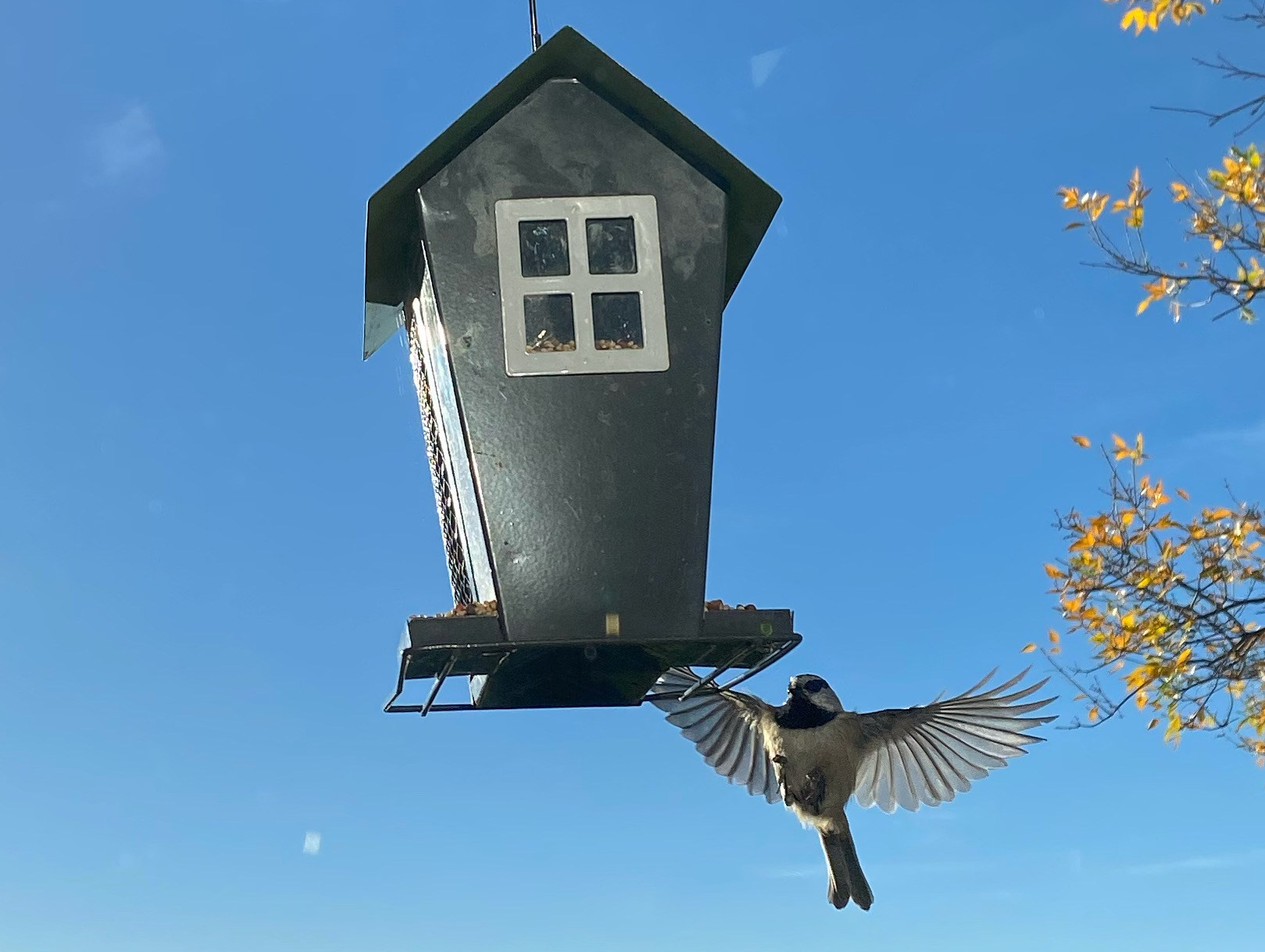
  • I swapped out the hummingbird feeder for the regular bird feeder, and it’s becoming quite popular.
  • The coyotes woke me up with their howling the other night. I always find it eerily mesmerizing. 7/10 spooky.
chickadee-landing-on-house-shaped-bird-feeder
Hi, little chickadee.

What hasn’t sucked for you, lately?

blurry-road-with-green-trees-showing-movement

It’s Been a Whole Month: Birthday, Anxiety, and Ketamine

I can’t believe it’s been a month since I last posted here. I have some in-progress posts that are languishing in my drafts folder, but none of them feel complete enough to be posted. So, to try to break through the stall in my writing, this is a rambling update that will have to be good enough for me.

Look at me, fighting perfectionism one disjointed blog post at a time.

Ketamine

I haven’t written about my most recent ketamine infusions because the propofol makes it harder to find anything about them to share. I think that going into it with the expectation that I won’t remember much makes it harder to grasp whatever snippets do remain. Having the intention to write about an infusion helps me pay attention to my experience; without it, the whole appointment just disappears from my memory in the hours following an infusion.

When I began my treatment with ketamine infusions, I was fascinated by the endless imagery that each infusion created. Every appointment held new associations and interesting scenes. But lately, they all feel the same. Of course, this is okay. The dose of ketamine that I receive would probably be too intense without the propofol, and I suppose I’d rather not remember much than have a terrifying trip. Still, there was something helpful about having something of the experience to hold onto.

I have the sense that I’m more able to remember things when I’m more present in the real world – like how you remember your dreams when you awaken in the middle of them. I wonder if the degree to which you’re aware of your surroundings during a ketamine infusion impacts its efficacy, if at all. Because if it’s not at all, I’d totally ask my doctor to poke me every 15 minutes and ask me what I’m thinking about so that he can write down whatever absurd, hilarious things I say. Although, my level of zonk is usually such that I probably wouldn’t answer.

Birthday

My birthday happened this month, and it caused a lot of anxiety about the future. It’s frustrating to be hindered by my own brain. I commonly hold myself to unrealistic expectations and judge myself harshly for not meeting them. I wanted a different path than the one I’m on now, and I’m having a hard time letting go of that vision. Not that I can’t eventually end up in the same place, but I didn’t see it progressing along such a challenging path. But that’s life, right? I’ve been trying to re-frame my birthday as just another marker of survival. If I can’t get myself to be pleased with my progress in the last year, I can at least be neutral.

Anxiety

Anxiety and depression often go together, and I’ve noticed a pattern in my mental health where I alternate between the two. As I start to come out of depression, the anxiety kicks in and I feel horrified by all of the time I “wasted”. I think about how far behind my expectations I am, and then I get a frantic sense of urgency to kick it into high gear. Unfortunately, I’m also easily overwhelmed and the prospect of “catching up” to my expectations triggers an avalanche of worries and insecurities. Ultimately, whether it’s depression or anxiety that is most immediately at hand, the result is still a barrier to my forward movement.

This flexible connection between depression and anxiety is not black and white. I wouldn’t say that I move completely out of depression and into anxiety – the Venn diagram has more overlap than that. My position within it just shifts into the middle so that I’m simultaneously slow, tired, and occasionally hopeless while also filling up with anxiety saturated with heavy judgement. Fun times.

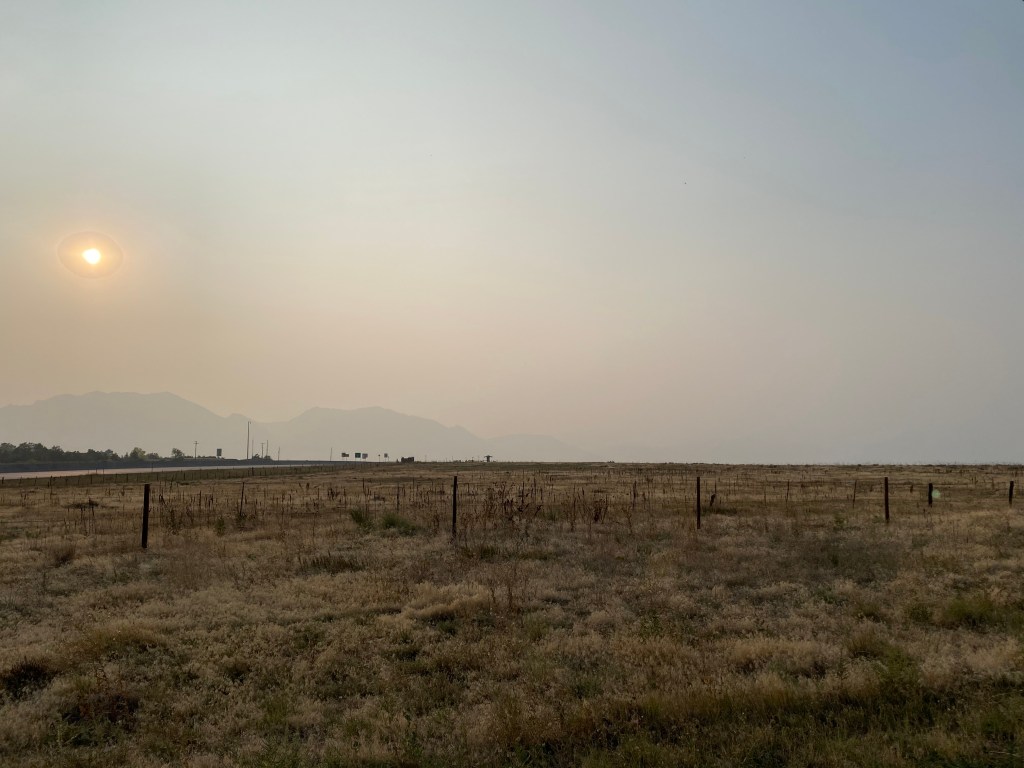
At least the anxiety pushes me to do more than I otherwise would. I would rather be motivated by the reward of doing the thing rather than the fear of not doing the thing, but I also prefer being motivated at all over not at all (if that makes sense). I’ve been trying to run again, and have been somewhat successful in the last couple of weeks. The wildfire smoke in Colorado has intermittently lifted and returned, so I don’t always get clear air, but I figure the benefit to my mental health probably outweighs the damage.

landscape-photo-of-tall-grasses-near-road-going-towards-mountains-shrouded-in-wildfire-smoke

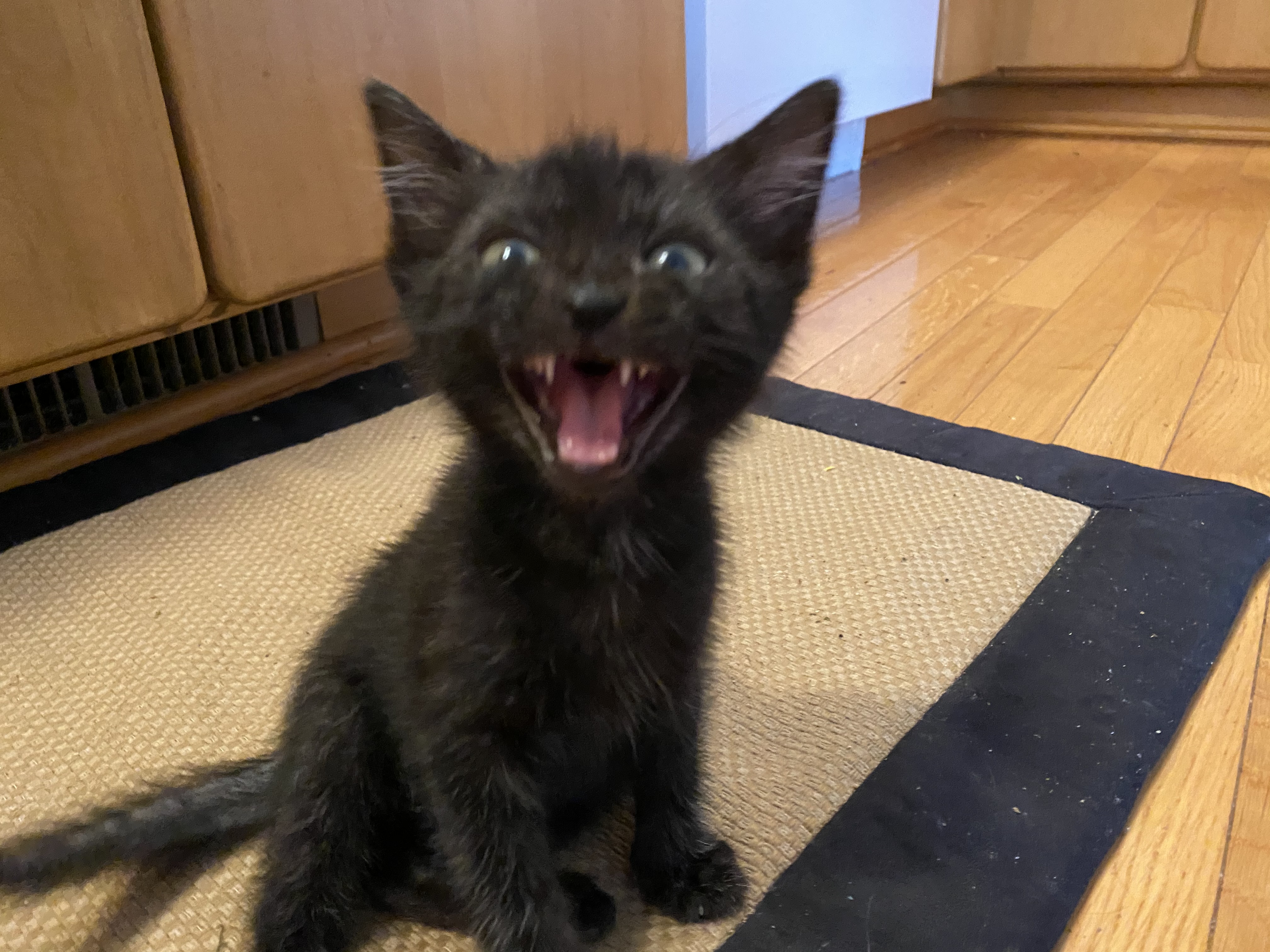
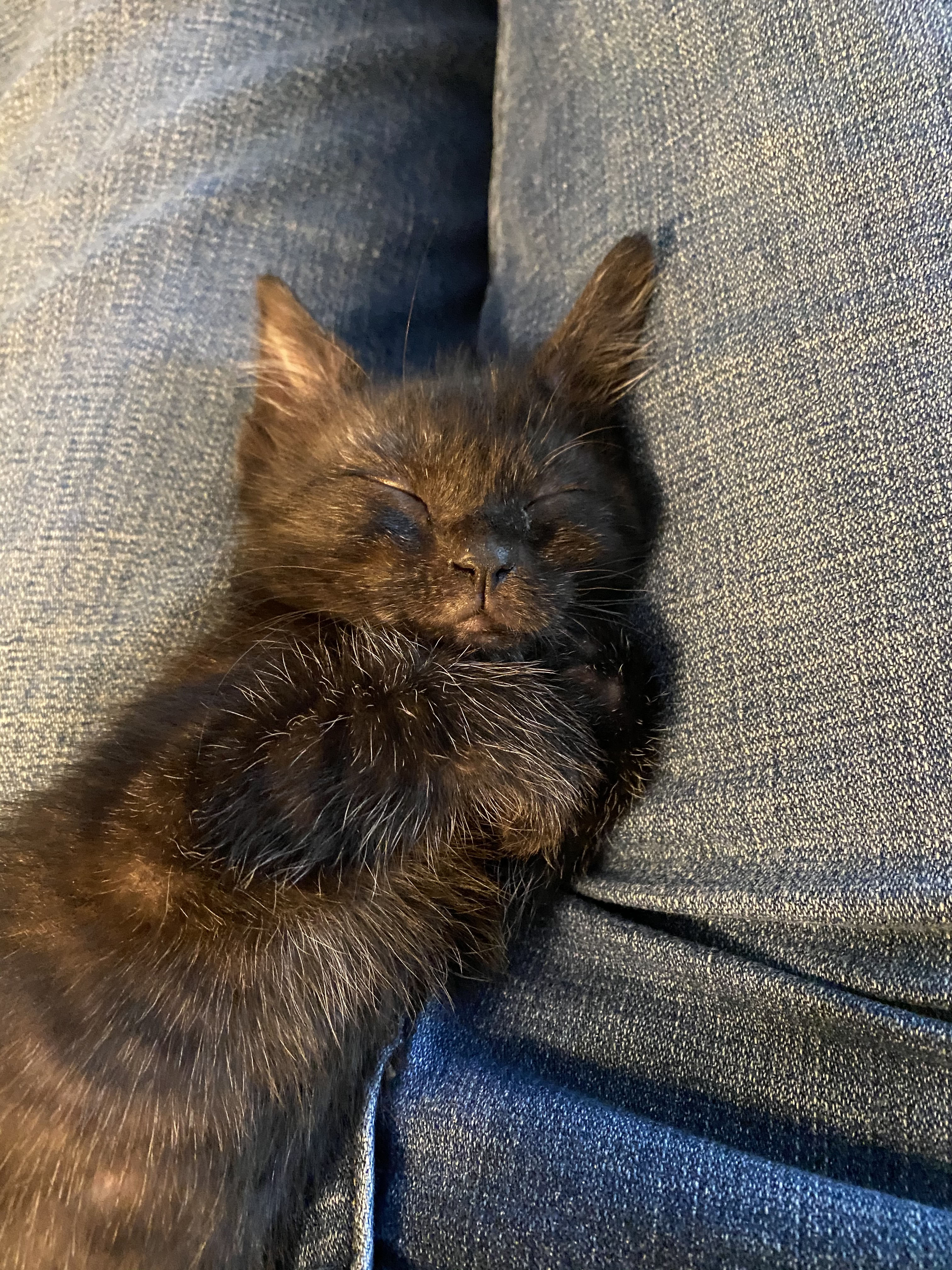
This is kind of a rambling post, but again, I can’t seem to write anything in this context that seems worthy of posting. So, this will have to do. In other news, this is not my kitten, but look at how cute she is.

Moose Revelations & the Magic of Yes Day

In an effort to help me become more easy and breezy, Fridays have been dubbed “Yes Day” by my therapist. I’m supposed to not hesitate when I’m faced with a decision on Fridays – just say yes. I mentioned this in a recent post, in which a therapy session combined with ketamine saw the creation of No Nap Day, which was slipped past my steel sieve mind on Friday under the guise of a Yes Day opportunity. Just kidding- I knew exactly what I was agreeing to.

I had good reason to say “yes” to No Nap Day. My Yes Day adventures have already resulted in positive experiences, so it only follows that I should keep it up. I’m not generally a spontaneous person. I rarely do anything on a whim, and sudden changes to my plans make me anxious. Sensory processing disorder makes me strongly prefer routine over spontaneity. I know that I like all of the sensory aspects of my familiar routine; anything new is overwhelming and could be very unpleasant.

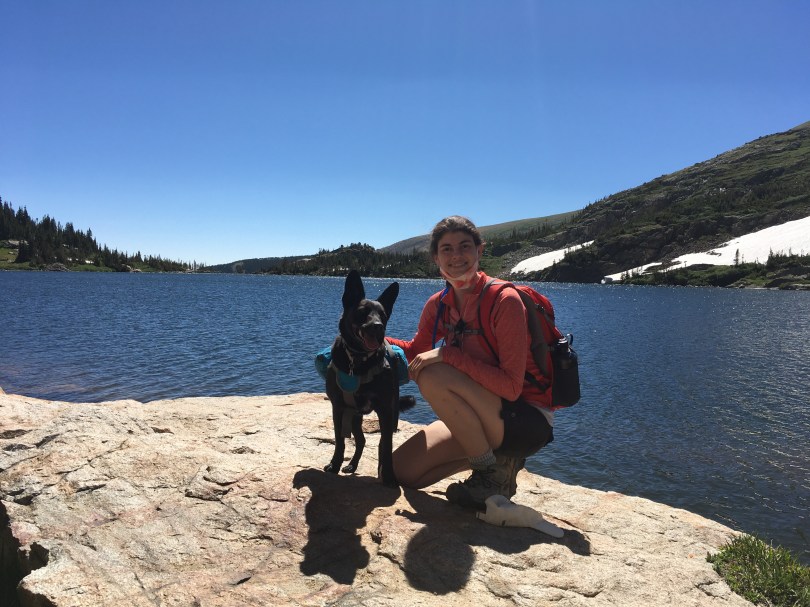
Then again – it could be wonderful, and by saying “no” to new things, I run the risk of missing out on some great stuff. Take last month, for example. I go hiking with my mom every week. We usually pack lunch, make frequent stops to look at wildflowers, and generally have a wholesome nature experience. I usually enjoy these outings a great deal, but on this particular day, I was tired. The fresh air and pre-hike coffee did not perk me up, and I trudged up the mountain with heavy boots.
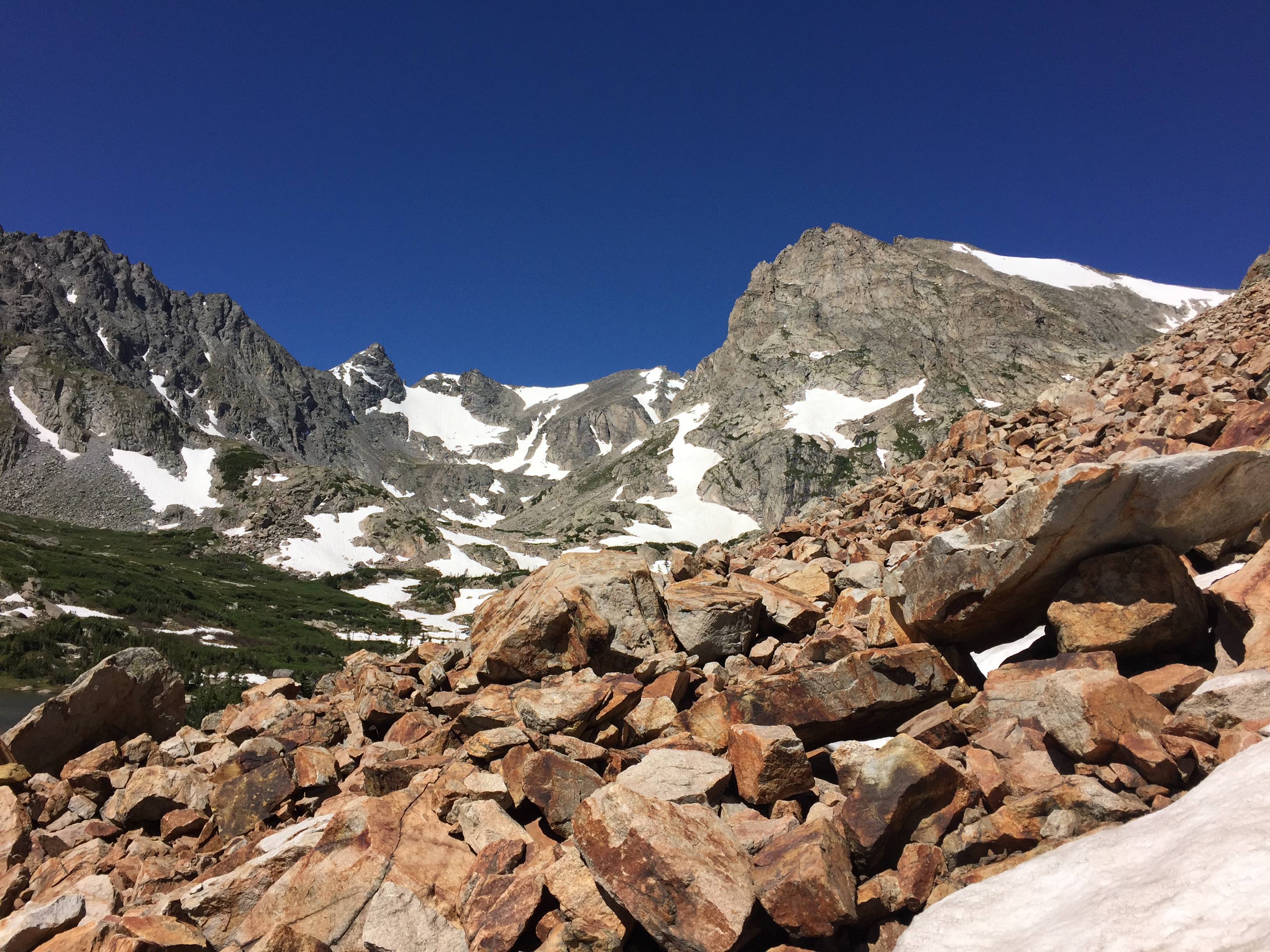
IMG_6443

We reached the first of two lakes about 2 miles up the trail, and as we rested on a flat boulder, we discussed our options for the rest of the day. My mom wanted to continue on to the second lake and the glacier, but I was reluctant. Heading back to the car and going home sounded pretty good to me, but it was Yes Day, after all. So, I said “yes” to continuing on. Stella led the way up the trail, and although I was still tired, we got into our usual pace before long.
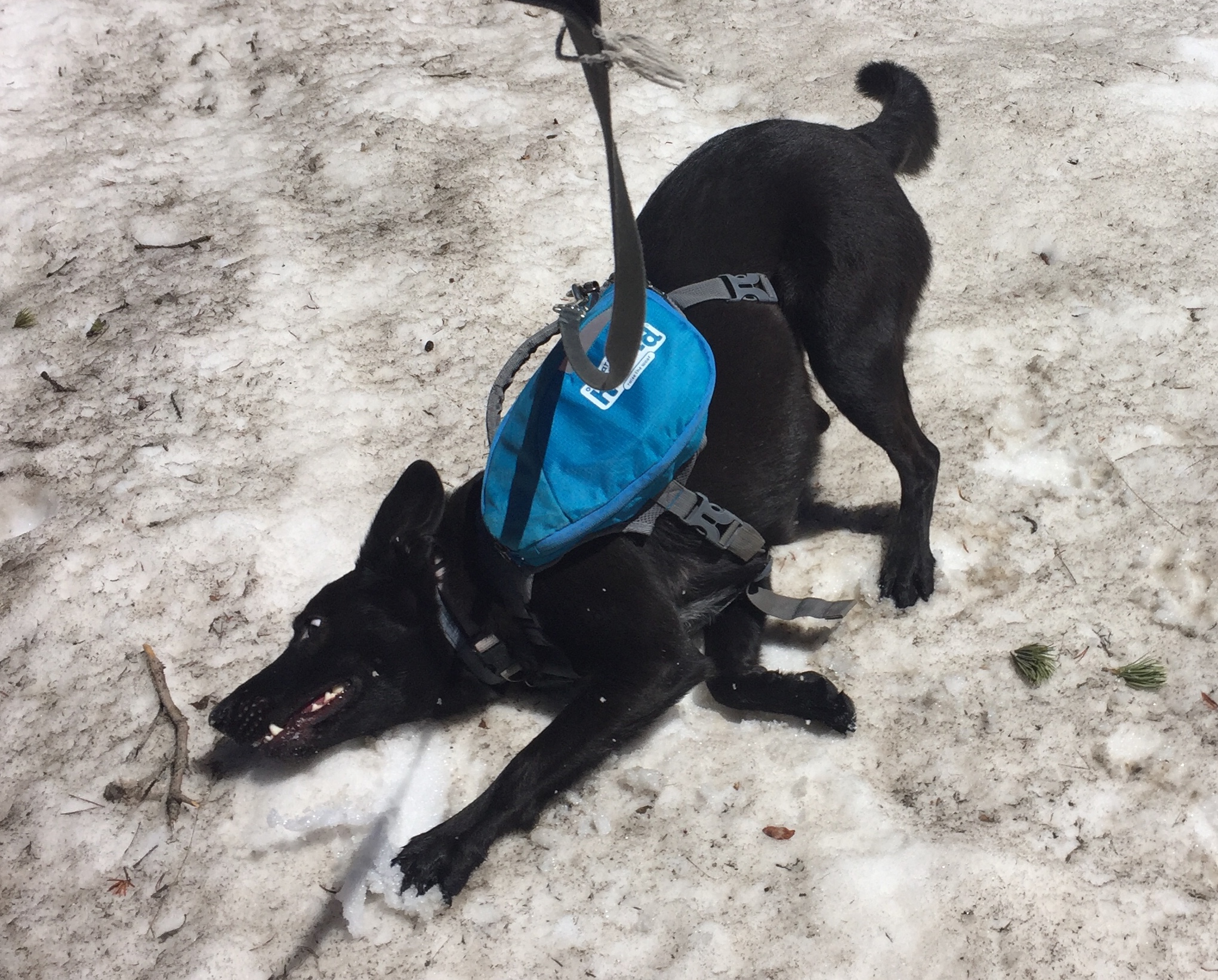
IMG_6464

Stella was awed by snow in July, we humans were awed by the views and the beautiful waterfall, and I managed to be distracted from my fatigue enough to enjoy myself. We almost made it to the glacier, but our second wind was fading in earnest, so we took in the view and then headed back down the trail.
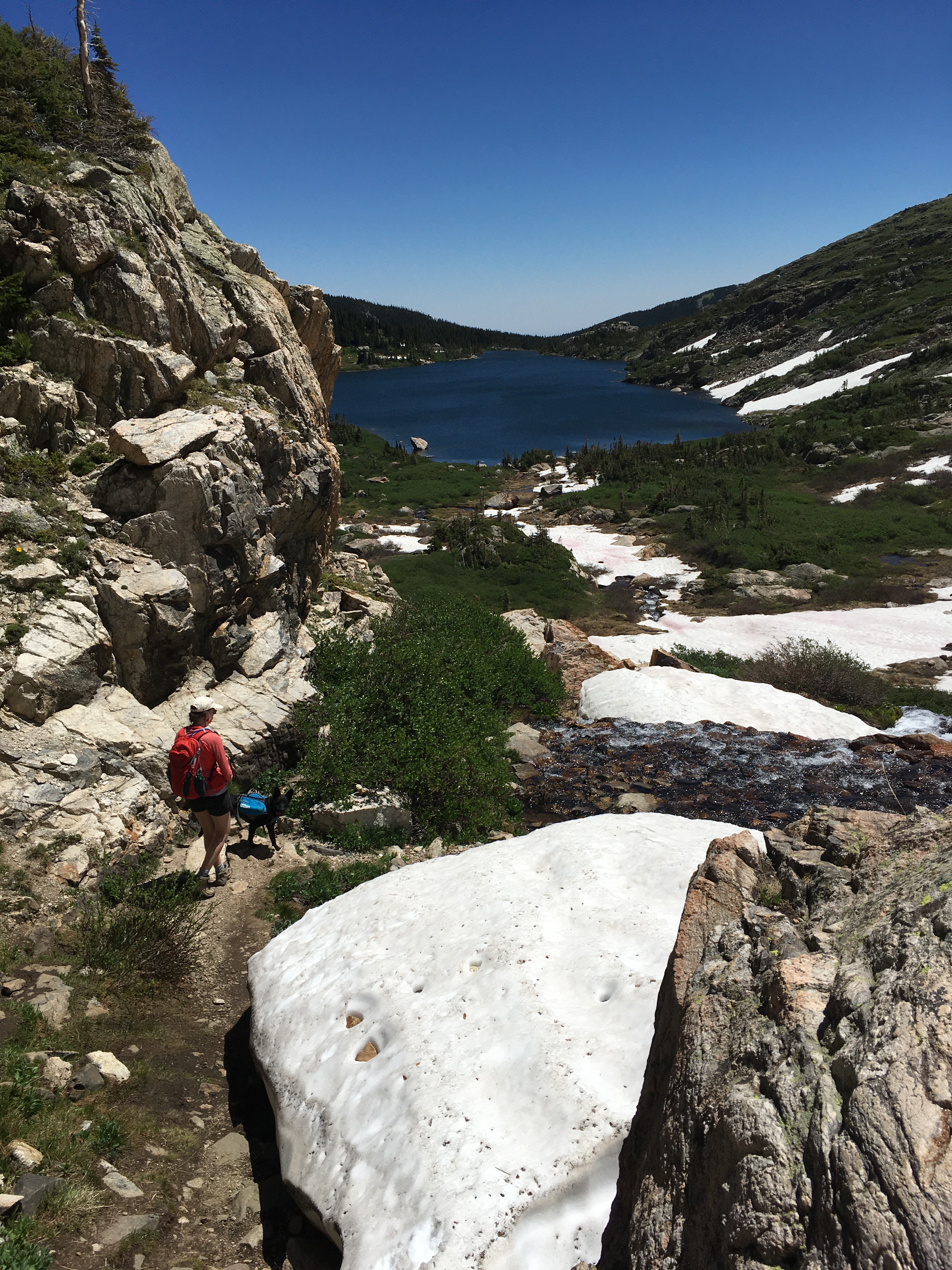
IMG_6522

Going downhill is easier than uphill in some ways and much harder in others. Upon reaching the parking lot, we hurried to the car and got the AC going. Stella had her head out the window as we turned onto the road, and we all enjoyed the bliss of sitting down.

Almost immediately, we came upon a car stopped in the middle of the lane. We waited for a few seconds, and then my mom said “Maybe there’s a moose!” I admit – I scoffed.

“They’re probably looking at Google Maps, trying to figure out if they’re going the right way.” I said. We chuckled a bit as we crawled forward, until the driver of the stopped car waved us around them. As we passed, I looked to the right and blurted “There IS a moose!”

“What?! Really? Should I…”

“Yes, back up!” I urged her. We rolled backwards until we could see it. An enormous moose (all moose are enormous, I suppose) was standing calmly by the road. He was munching on the thick vegetation around him, ears flicking lazily at the gnats.
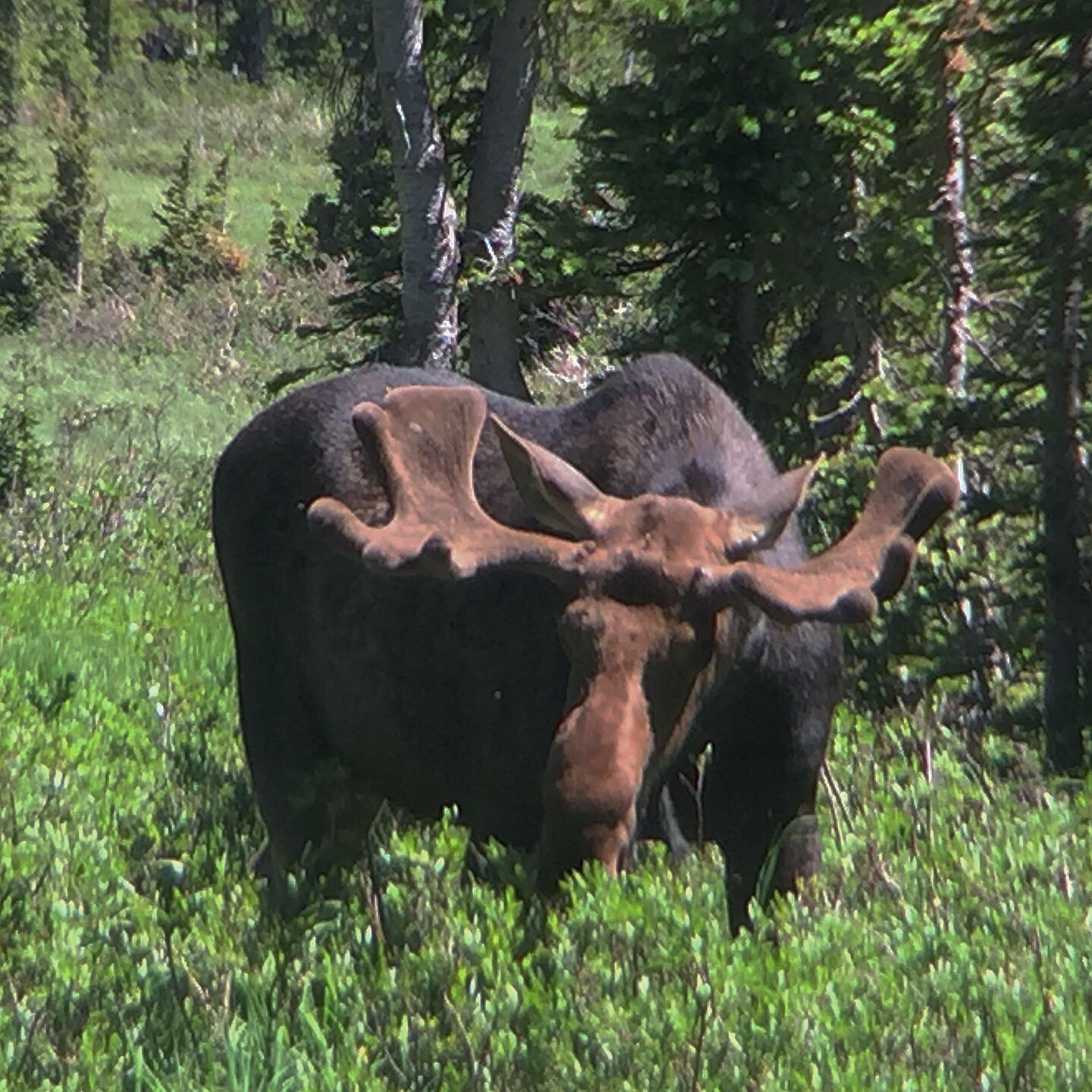
95412280-9BC9-4452-B4BE-E1F108DFE47F

His antlers were velvety and magnificent. They’re such strange-looking adornments – one might even say goofy – and yet they’re so sturdy and solid. They make an effective reminder that moose are very, very, very strong animals. This one was content to carry on chewing, paying no mind to the gawking humans. I think that’s part of what makes them so interesting to watch; they’re completely unbothered by activity around them. They’re not as skittish as white-tailed deer, not as pugnacious as, say, a brown bear. They just sort of…stand around. Not to say that they won’t charge and cause you serious bodily harm, but this one’s general demeanor was one of complete and utter boredom. He was so unimpressed with us that it was almost like he was thinking “Yeah, yeah, snap some pictures. Now go home, kids. I have important vegetarian work to do, here.”

My mom and I rode that excitement all the way down the canyon. Along the way, it occurred to me that I had Yes Day to thank for it. After all, we would not have seen the moose if we had turned around when I first wanted to. Instead, I said “yes” to the rest of the hike, putting us in exactly the right place and time to witness that moose’s dangly neck thing (I now know it’s called a dewlap) waggle above the leaves. Moose are so silly, and yet so distinguished. Truly a creature of contradictions.
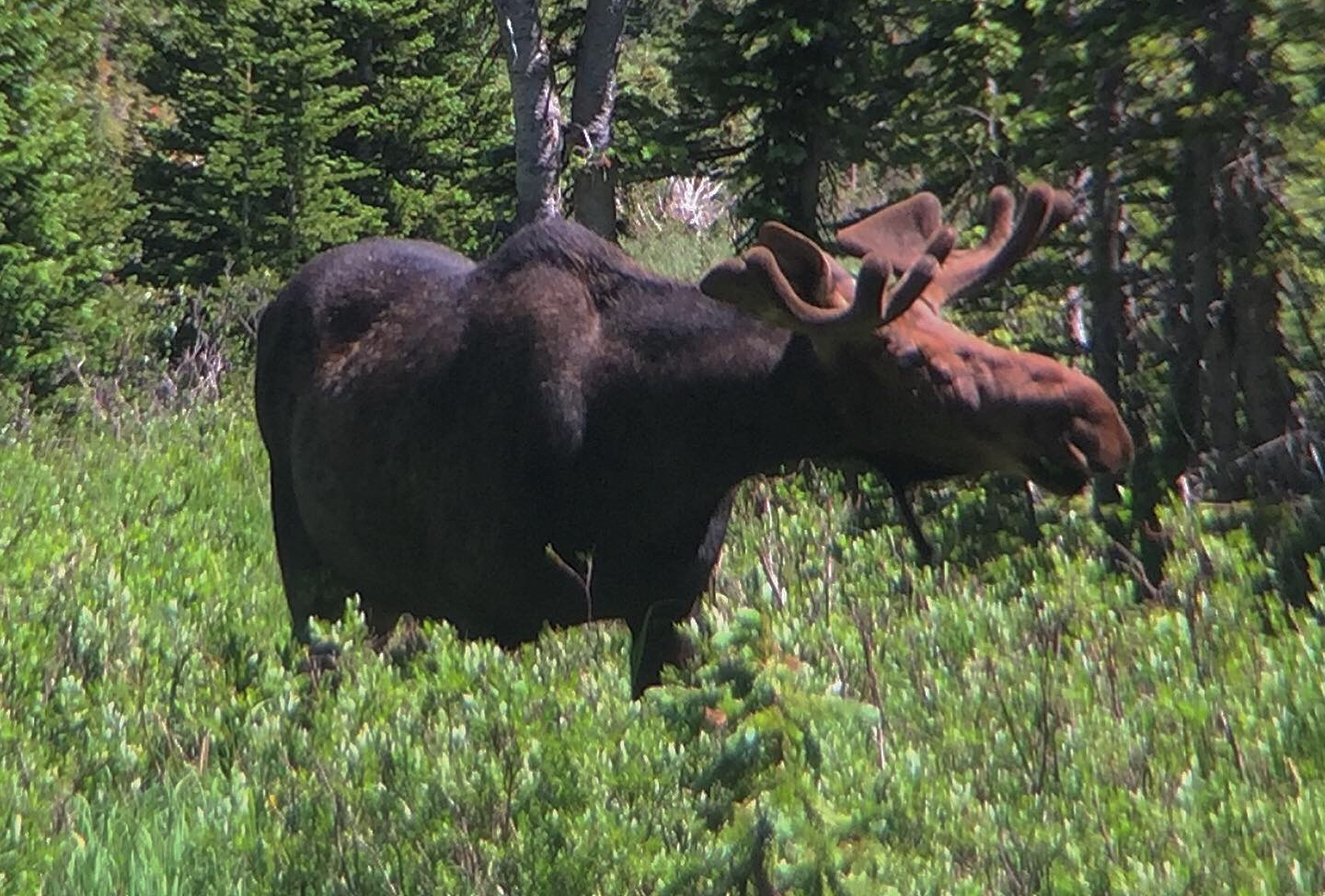
male-moose-standing-in-profile-in-vegetation

Black, grey, and orange alphabet letters scattered around the word therapy

What is Ketamine-Assisted Psychotherapy for Depression?

Some people experience profound mental health breakthroughs with a treatment called ketamine-assisted psychotherapy (KAP). I’ve been treating my depression with IV ketamine infusions for a while, now, but never really considered ketamine-assisted psychotherapy an option for me. I’m comfortable with the arrangement of treatments I have now, and KAP has always intimidated me. I’m about to tackle that fear in my next IV ketamine treatment for depression. So what is ketamine-assisted psychotherapy? How does ketamine-assisted psychotherapy for depression work?

What is Ketamine-Assisted Psychotherapy for Depression?

KAP is a type of mental health treatment in which a person engages in talk therapy while having a ketamine infusion. Ketamine-assisted psychotherapy is effective partly because the dissociative state that ketamine puts you in can make you less inhibited. It lets you separate yourself from your emotions. A therapist can then help you through topics that might otherwise be too difficult to talk about.

My Treatment-Resistant Depression is Gaining Ground

I’m in a rut. Again. My previous ketamine infusion didn’t seem to have a large effect on my mood, so discussions began to circulate about how to adjust things. My doctor suggested a ketamine-assisted psychotherapy session and directed me to the release form that would allow him to talk to my therapist.

At this point, my alarm bells were going off, urging me to slow the KAP train down, but alas, here we are. My therapist had a conversation with my doctor, in which it sounds like they agreed that I am, indeed, in a rut. My therapist got some information about what ketamine-assisted psychotherapy for depression entails and then brought her thoughts to me at our regular session.

For context: One problem that I consistently run into during therapy is the brick wall between my mouth and certain emotional topics. Sometimes I can plow through it, but sometimes, I just shut down and the words don’t come out. There’s no fixing it until I go home and, often, write down what was happening on the other side of the brick wall.

A person wearing a mustard yellow sweater and bangles on one wrist is typing on a laptop while sitting at a wooden table
Photo by Christin Hume on Unsplash

The conclusion that everyone reached upon discussion of KAP was something like, “Well gee, KAP would probably improve that problem where Gen makes like a mollusk and clams up.” (It’s likely that that particular wording only happened in my own brain.)

Taking Charge of My Mental Health Treatment

Blue pen resting on an open notebook with lined paper on a wooden table
Photo by Daniel Alvasd on Unsplash

I’ve decided to give KAP a try. Despite constantly feeling like I don’t do enough, I do recognize that I work hard at improving my mental health. Beyond keeping up with the everyday tasks that seem to pile up to colossal proportions in my depressed mind, I also routinely push myself to leave my comfort zone. And yet, I continue to slog through quicksand. I sometimes feel like I “should” be able to heal myself with the tools I already have at my disposal, and if I can’t, it’s because I’m not working hard enough. This is garbage thinking. I’m allowed to add things to my treatment, and I’ll try something new if it seems like it could help me, even if it does sound scary.

Keeping an Open Mind

My therapist asked me, “What’s the worst that can happen,” when I expressed my reluctance to do KAP. We decided that the worst is probably that I could embarrass myself or cry a lot, both of which I have already done in front of my therapist. Still, I know how I feel during a ketamine infusion, and that knowledge makes the idea of having a therapy session at the same time feel uniquely invasive.

The sensation of talking while under the influence of IV ketamine treatment is something I’ve written about before because it is just so bizarre. I’m always struck by how quickly thoughts go from my mind to coming out of my mouth; there’s no time to deliberate on whether or not you’ll say it.

Again – thinking less is part of the goal for me in this ketamine-assisted psychotherapy experiment, but man, as a guarded person, the idea really provokes anxiety. Somehow, I’m also worried that I may not say anything. There is no way for me to enter into this with no worries other than to accept that there is no wrong way to do it.

If you’d like to read more about my experience with ketamine for depression, start from the beginning of The Ketamine Chronicles or visit the archives. Click here for mobile-optimized archives of The Ketamine Chronicles.

Noticing “Good Enough” During Depression

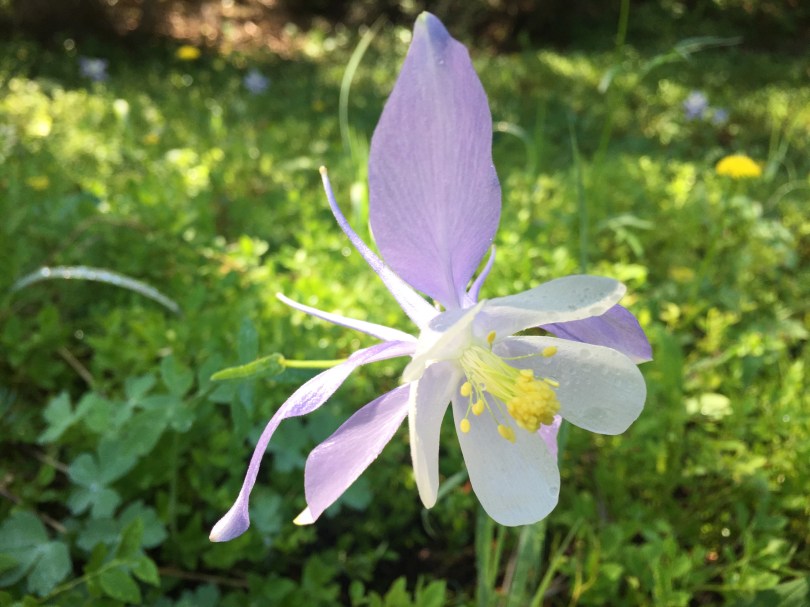
I recently drove into the mountains with my mom for a relaxing day in the woods. A few years ago, forest fires left blackened, branchless trees standing on the mountainside. From the winding highway, we could see large swaths of charred landscape, but up close, new growth has begun to fill in the gaps. Long grasses and delicate wildflowers are recolonizing the ecosystem, and stands of young aspens have already claimed their soil.

I love the Rockies; it’s where I grew up, and it’s the first environment that nurtured my love of nature. I hope that no matter how depressed I get, I’ll always have an appreciation for the outdoors. On this particular outing, though, my enjoyment of my surroundings was dampened.

We found a set of campsites and picked a spot between them to use as our hammock/picnic place. The scent of warm pines and soil enveloped us while we ate our sandwiches among the bearberry carpet. I looked at an interesting circular lichen and listened to the insects buzzing nearby. Later, in my hammock, I watched a curious hummingbird zip around our site. I noticed all of these things and recognized their loveliness, but was disappointed by the absence of contentment. The person I am at my core, unhindered by depression, adores that exact place with those exact circumstances. But the person I am today – tired and depressed – couldn’t help but think “I wish I were at home, taking a nap in my bed.” I wanted to feel peaceful there, but I was missing that easy contentment that happens when you have nowhere you’d rather be. Realizing that non-depressed me would have enjoyed the day much more was disappointing, which threatened to overshadow what small enjoyment I did get from it.

It’s important for me to get out of my usual routine when I’m depressed, mostly because that routine doesn’t consist of much. When I take the very small risk of leaving my house to do something theoretically fun, it could turn out to be terrible. Mostly, it’s mildly nice, and as my therapist says, “If it doesn’t suck, then it’s worth noticing. It might just be good enough.”