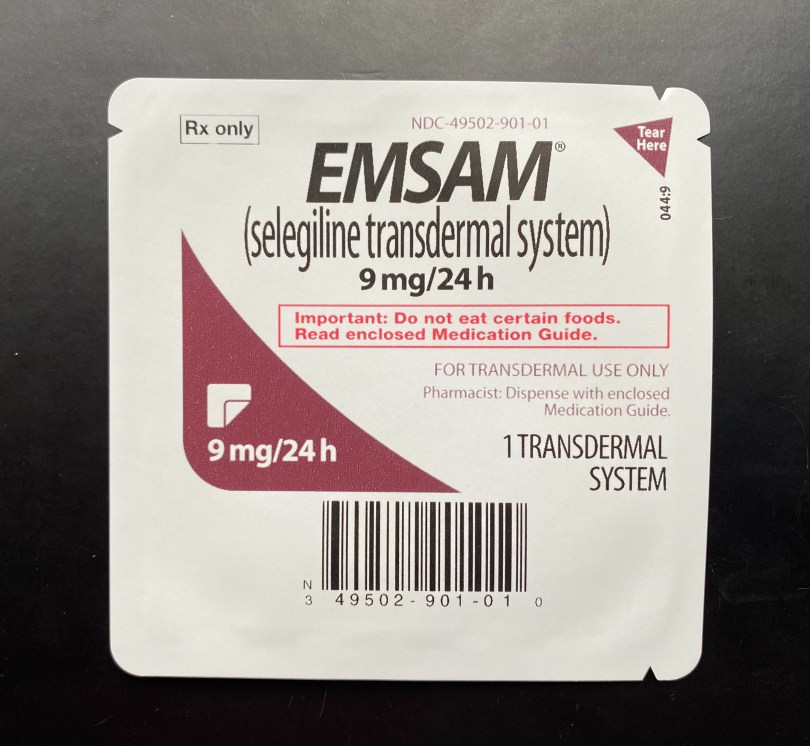
EMSAM-patch-packaging-with-label

I’m Mildly Depressed!

This is momentous. I took my regularly scheduled depression questionnaire and, instead of the “moderate” or “moderately severe” that it’s been for a long time, it said “mild” when I submitted it! I’m mildly depressed! Hooray!

I’ve been taking Emsam for a few weeks, now. I don’t think I’ve felt such a dramatic improvement in my depression since the mega-high dose of lithium I was taking for a little while or the times I’ve done several ketamine infusions in quick succession.

Again – *knock wood, toss a pinch of salt, do all of the superstitious things to avoid a jinx* – it’s still early. I’m nervous about declaring it a success because my positive track record with antidepressants has always been sadly brief. But so far, it’s been very, very nice to feel better. So nice, actually, that I think I’m tricking myself into glossing over the symptoms that remain.

As soon as I hit “submit” on my PHQ-9, I considered that I may have been a tad overzealous in my answers because of how exciting it was to not be selecting “nearly every day” for every question. Not that I don’t think “mild” is an accurate descriptor, I just might have fudged on my answers a teensy bit.

Every time I’ve experienced a sudden improvement in my depression, I get really excited to, you know, not be so depressed and I get ahead of myself. I seem to think that a large improvement means I’m fine now and should push myself to do all of the things that I’ve been struggling to do for years.

And I do this EVERY TIME. It gets me into trouble when I take a nap and then feel immensely disappointed in myself because I expected to be instantly, spectacularly healthy. I’m reminded of this comic by ChuckDrawsThings:
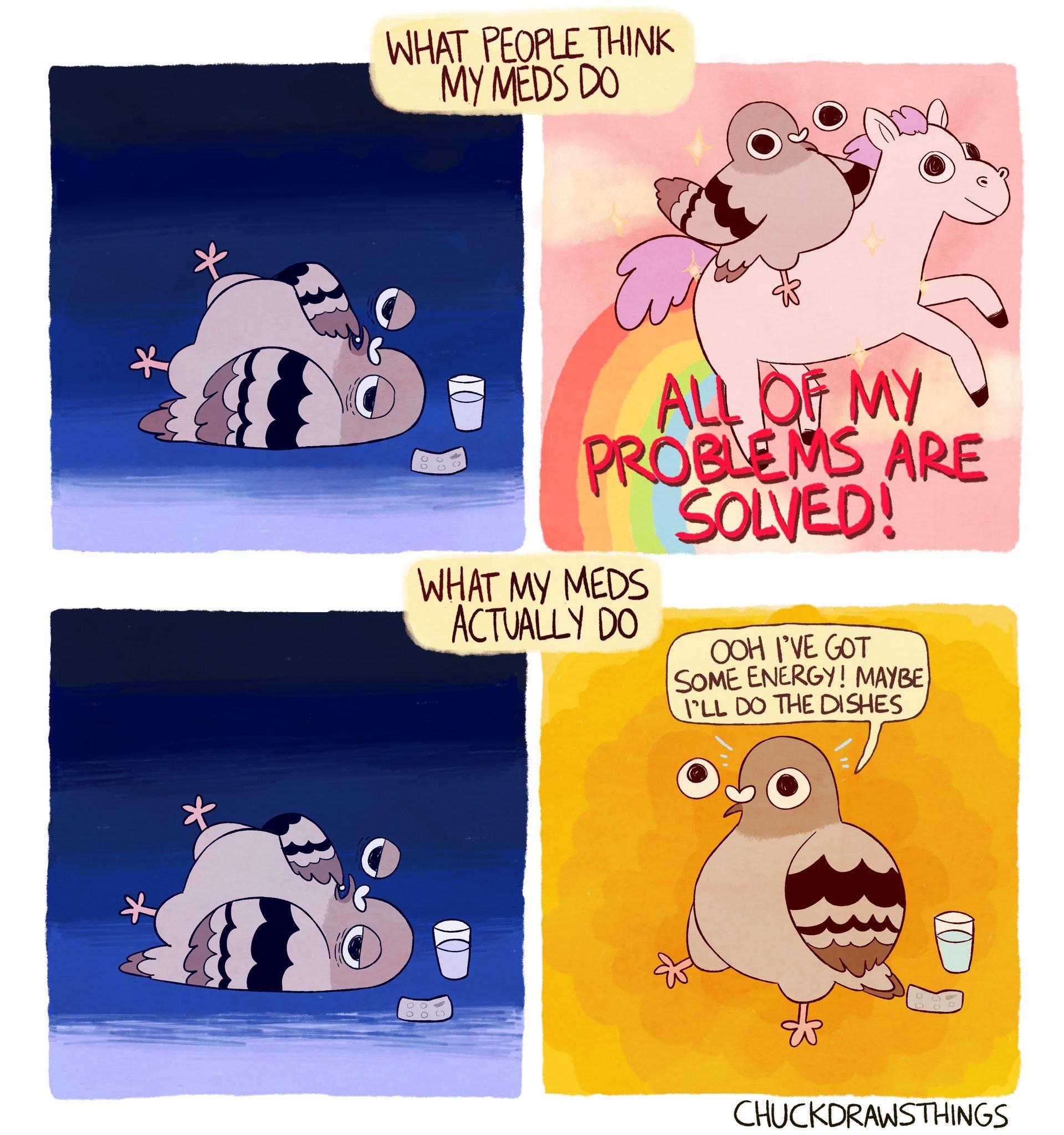
Antidepressants don’t fix all of your life’s problems, but boy, do they make it easier for you to go about fixing some of them yourself. It’s amazing that I keep thinking, “I should do XYZ” and then finding myself just doing XYZ. There is so much effort that goes into every tiny decision and step of my life when I’m significantly depressed. It’s kind of mind-blowing how much easier it is to function as a human person. Is this how other people feel, or is this just early excitement of feeling better? I’m afraid that it won’t last.

I do feel a little less awesome than I did in the last two weeks, so I wonder if starting the Emsam right before a ketamine appointment sort of trampoline double-bounced me. It is unrealistic to expect that Emsam will just make everything better forever, so whatever benefit I can have, I’ll take. I’m curious about my next ketamine infusion; will it double-bounce me again?

Not everything is fixed, but overall, I feel remarkably lighter than I did pre-Emsam. Conversation is easier, I feel like I laugh more, and I find myself once again delighted by the little things – figuratively and literally – like this tiny prickly pear I saw yesterday.
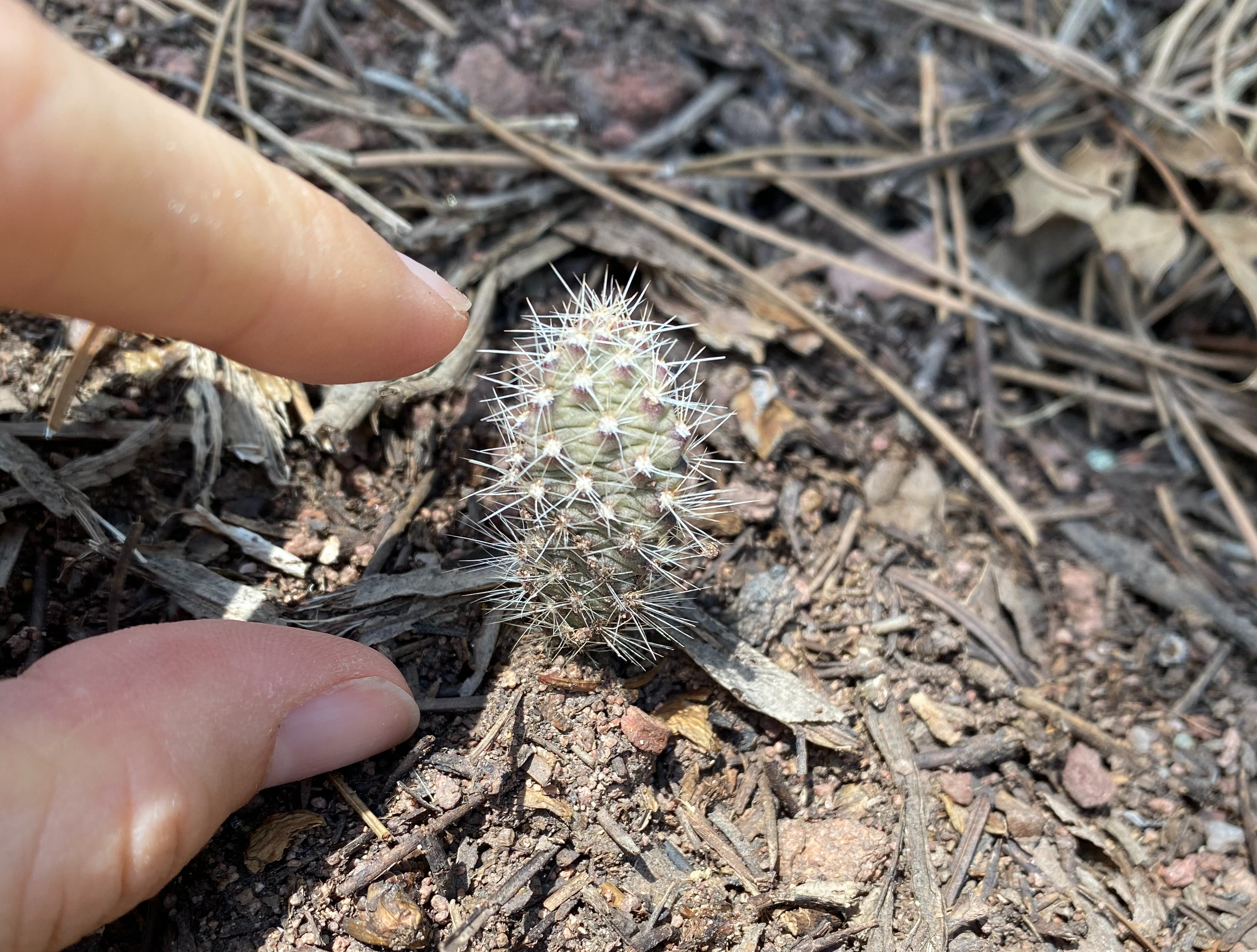
An index finger and thumb indicating the height of a small prickly pear paddle growing outside

I love dopamine.

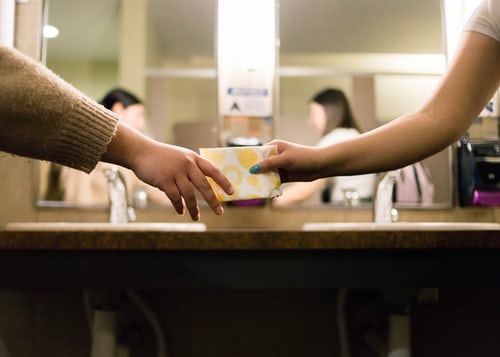
Two women in a public bathroom passing a pad in a yellow and white wrapper between them

Let’s Talk About Periods and Mental Health

May is Mental Health Awareness Month! One lesser-tackled mental health topic (in my opinion) is that of periods and mental health.

Invalidation: Public and Self

We often see in media the idea that a woman on her period is “crazy”- invalidating language that means it’s ok for others to ignore her feelings. I think it’s important to recognize that the hormonal changes we experience don’t suddenly make us different people. I, for one, become rather cranky, but not because I’ve developed a new set of preferences and opinions; I just have a lower tolerance for irritation. A much, much lower tolerance. Things that at any other time would simply make me shake my head suddenly either make me briefly, intensely angry or likely to burst into tears.

I find myself downplaying the effects of my period on my mental health all the time. I think it stems from its temporary nature. I know that it won’t last long, so it seems silly to let it take up much space on my list of mental difficulties. When I’m seeing red because somebody put a spoonful of cooked rice in the dishwasher and ran it, I invalidate myself. I tell myself that how I feel doesn’t matter because it’s caused by temporary hormones and my reaction is disproportionately intense. And it is temporary and more intense than is warranted. But the reality is, it’s extremely uncomfortable to experience month after month. Each small instance of unreasonable mood swinging adds up to something with tangible impact.

But it’s ~Natural~

Having a healthy menstrual cycle is a positive thing! If women for millennia have been dealing with theirs, why should I let mine be a roadblock for me? I’m sure women millennia ago thought it sucked just as much as we do, if not more. Modern methods of dealing with it hygienically and the availability of painkillers probably makes menstruating a good deal more comfortable for us. (Of course, there’s a conversation to be had about poverty’s restriction of women’s access to these modern resources. Not everyone enjoys the comforts of disposable period products. Here’s a good resource for learning about period poverty.)

There are definitely positive ways of talking about periods; their position in the menstrual cycle plays a vital role in fertility and reproduction, after all. That doesn’t eliminate the damage that periods can do to our mental health, however. We can recognize the beauty of a natural, cyclical process while also shaking our collective fists at Mother Nature.

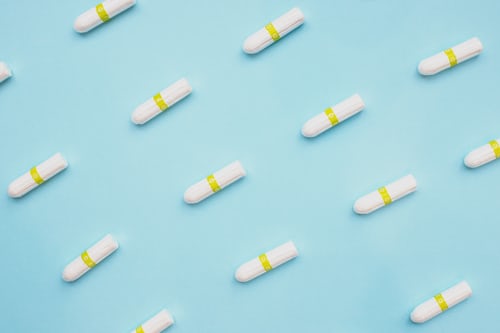
A grid of tampons wrapped in plastic with no applicators on a light blue background
Photo by Natracare on Unsplash

PMS and Depression

As many as 3 in 4 women experience PMS. Symptoms include mood swings, irritability, crying spells, social withdrawal, and a host of uncomfortable physical symptoms. That alone is more than enough to be impactful when it comes to a person’s periods and mental health. And what about people who have a mental health diagnosis in addition to PMS? According to the Office on Women’s Health, “Many women seeking treatment for PMS have depression or anxiety. Symptoms of these mental health conditions are similar to symptoms of PMS and may get worse before or during your period.”

Personally, I can say with certainty that when I’m really struggling with my depression, my suicidal thoughts and the urges to self harm are worst leading up to and during my period. In fact, my period started a few days into my hospitalization in 2019 – a connection that I only made later on. The effects of the hormonal changes may be temporary, but my period is a setback to my mental health on a regular basis. And with an extremely serious thing like suicidal ideation, any factor that worsens it is nothing to be dismissed. Sometimes, even when things are getting better, I have sneaky, destructive thoughts because of hormonal fluctuations.

In those cases, it is helpful to remember that my period is to blame and that it will pass. I have to strike a balance, though. It’s easy for me to bully myself into feeling bad about slip ups and setbacks because “it’s just my period.” Hormones are powerful and their effects are very real, no matter how temporary.

Managing Periods and Mental Health

There are many ways to manage PMS for a better relationship between your periods and mental health. Many people find that lifestyle changes through diet, exercise, and healthy sleep are enough to improve their PMS, but your doctor might suggest other options as well. Hormonal contraceptives can help even out the dramatic peaks and valleys of hormone changes. For some people, PMS rises to the level of PMDD, or premenstrual dysphoric disorder. This can be treated through a variety of interventions.

It’s unfortunate that conversations about the mental health effects of the menstrual cycle are reserved only for certain private settings and are kept to a quiet minimum. Periods are a fact of life for many people. We should be able to discuss them openly as a legitimate factor affecting mental health. A survey of 1,500 women found that 58% have been embarrassed about their period at one point or another. 62% of respondents were uncomfortable even using the word “period.” Thankfully, there are many initiatives fighting stigma and working to provide resources to women and girls around the world, and we can keep the conversation going.

How does your period impact your mental health? Have you experienced period shame?

close-up-of-dandelion-seed-head-with-green-grass-below

Switching Antidepressants: Emsam Update

I’ve been taking Emsam, an MAOI antidepressant, for a few days now, and although I can’t say that I feel amazing, I think I do feel better than I did before I started. The two weeks between ending Wellbutrin and starting Emsam were a struggle, but hopefully will be worth it.

Emsam comes as a patch that you wear for 24 hours and then replace with a new one. It’s an adjustment to not just plop some additional pills into my organizer for the week. It’s ever-so-slightly more labor-intensive this way, but I think it has been easier for me to accept than previous medicine changes have been. I have some kind of hang-up about pills and how many I need, so adding a new one always upsets me. Even though Emsam is a new antidepressant for me, it seems to have bypassed my usual judgments by virtue of being a patch. Perhaps my inner critic is secretly a child placated by cool stickers.

I’m noticing some insomnia, but nothing horrible. In fact, the napping that had returned when I stopped Wellbutrin has been reduced again. Sometimes I still attempt to take a nap because, well, my napping problem is partly fatigue, partly escapism. So even though I still try to pass a few hours by sleeping, it hasn’t been working since the introduction of Emsam.

As a result, I’ve been doing a lot of yardwork. The dandelions are quickly taking over the backyard. Luckily, endlessly repetitive tasks are my jam. I’m digging them up one by one, a byproduct of which is some unintended soil aeration! I also took down all of the rabbit fencing that I used to make our backyard fence taller because Stella was jumping it last summer. That solution did not work for long.

In fact, she jumped a six-foot-tall fence in pursuit of a squirrel the other day, so there really is no containing her unless she’s on a strong tether. Might as well get rid of the unsightly fence addition. She causes me so much anxiety sometimes, but she’s still a wonderful dog.

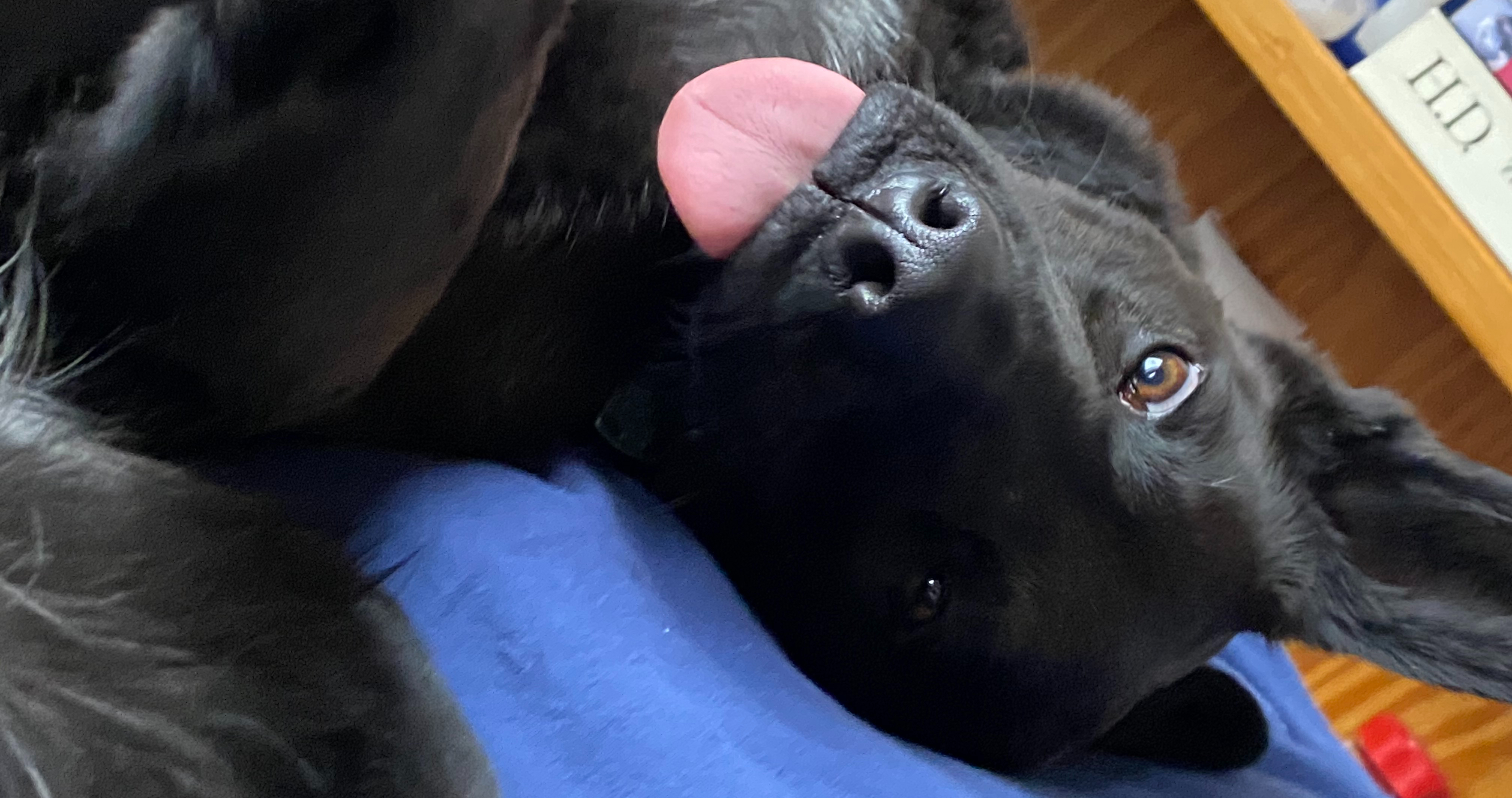
black-dog-with-pointy-ears-lying-on-blue-blanket-with-tongue-sticking-out
Blep

Historically, I’ve been mean to myself about napping because I tell myself I should be doing something productive with that time. Now that I’m not napping (pretty much), I have lots of time to get stuff done. And I’m still mean to myself. What a surprise.

In sporadic bursts, I’ve been searching for a new job for a while. I’ll get started on it, saving postings, updating things, applying to a few here and there, but not really dedicating myself to it because my current job is “ok.” I know that I’m avoiding it. It used to be that I’d be mad at myself for wasting time by napping. Now that I’m not napping, I’m mad at myself for STILL not tackling it, despite having plenty of time as a conscious person. Then again, it’s only been a few days since I started Emsam, and perhaps it will make things easier with some more time.

I’m attempting to heed my therapist’s advice about how a gentler approach is more effective and that no, you won’t become a stagnant blob of disappointment if you stop beating yourself up about your perceived lack of progress. I’m unconvinced, but I’m trying.